Mugane
A proprietary captive molecule from MANE, Mugane delivers a crisp, luminous muguet character that has redefined modern lily-of-the-valley accords in contemporary perfumery.
Character
How it smells
Modern muguet captured through chemistry
Mugane belongs to a family of aroma chemicals that replaced natural lily-of-the-valley extraction entirely, since the flower yields no extractable oil.






Origin
France
The muguet (lily-of-the-valley) family emerged as a central perfumery material in the early 20th century, driven by a fundamental challenge: the natural flower produces no extractable aromatic oil. Its delicate blossoms are too fragile for distillation or solvent extraction. The first breakthrough came with hydroxycitronellal in 1912, which appeared in Houbigant's Quelques Fleurs, binding together complex floral bouquets.
Throughout the century, chemists developed increasingly sophisticated molecules to capture the green, white-floral charm of this beloved spring flower. Mugane represents the latest evolution in this lineage. Created by MANE in the late 20th or early 21st century, it embodies the modern trend toward captive molecules: proprietary ingredients that give fragrance houses a unique olfactory signature unavailable to competitors.
This approach has accelerated as perfumers seek hyper-realistic floral recreations that natural extraction cannot provide.
Wears it best
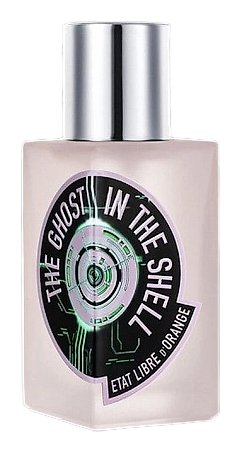
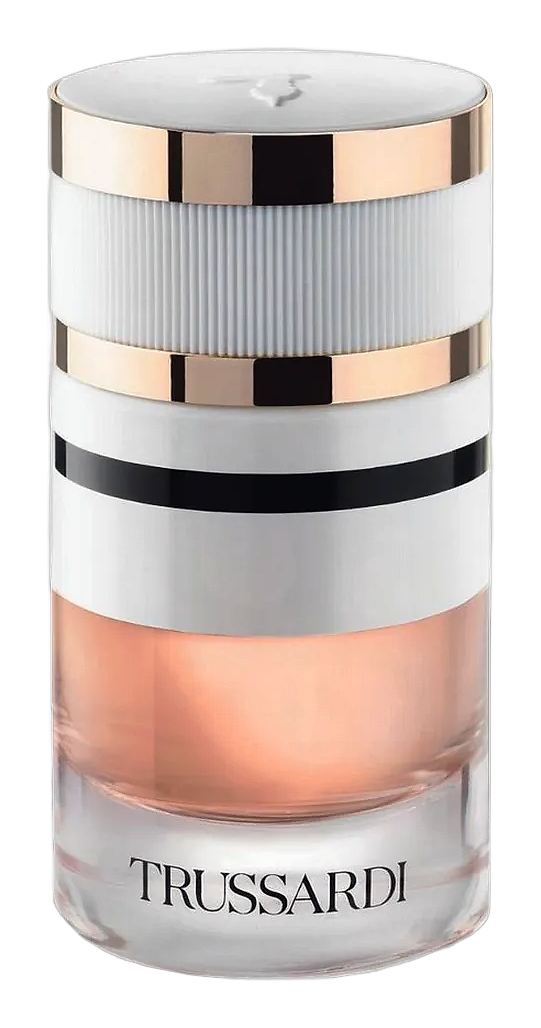
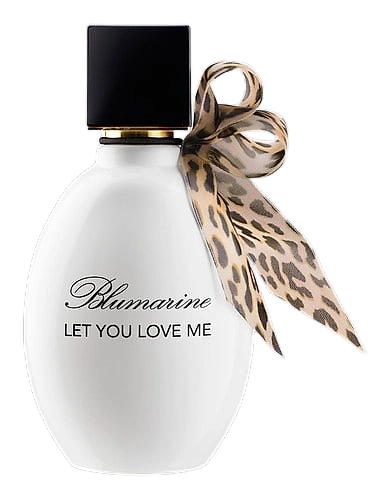
Fragrances featuring Mugane

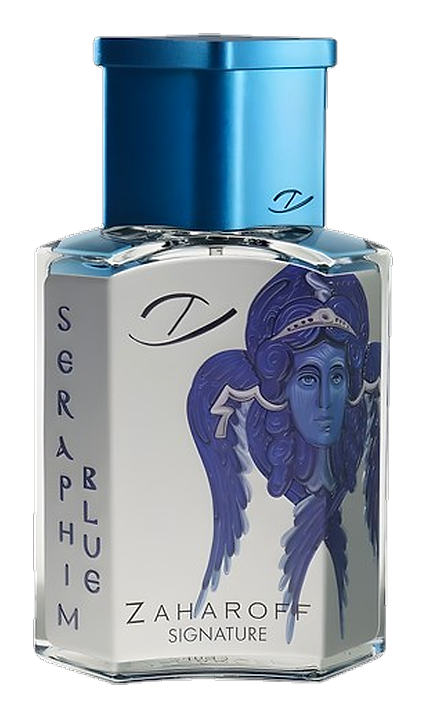
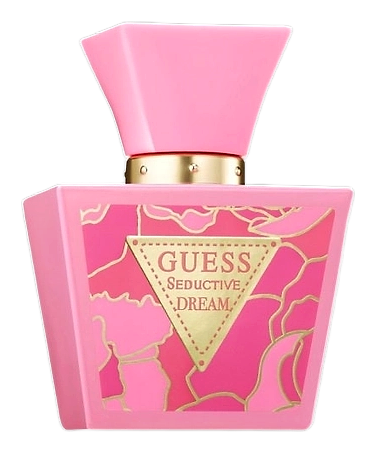
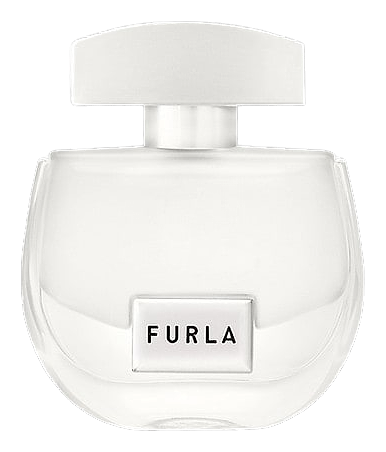
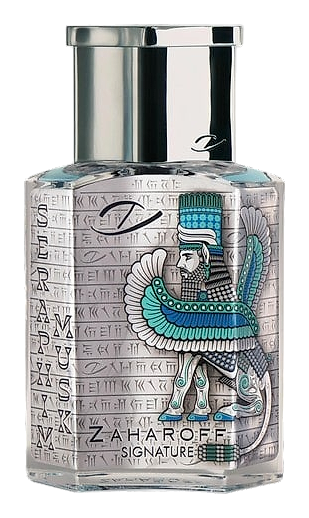
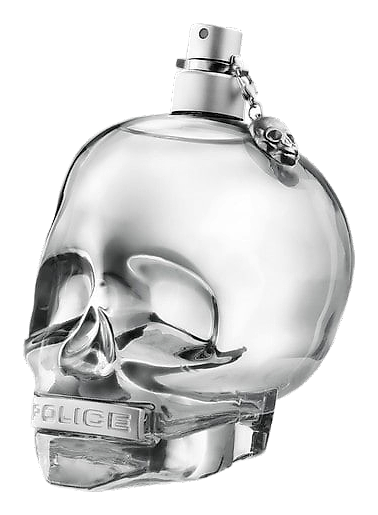
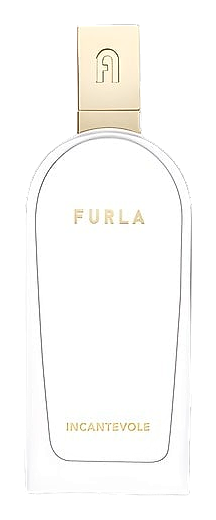
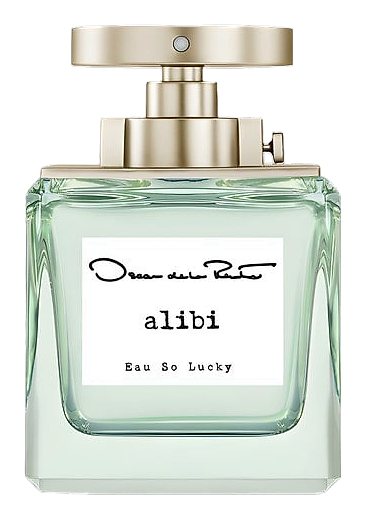
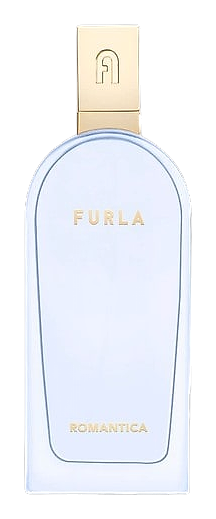
Brands
Brands known for Mugane
Good to know
Questions, answered
The essentials on Mugane in perfumery: how it smells, where it comes from, and how it behaves on skin.
What does Mugane smell like?
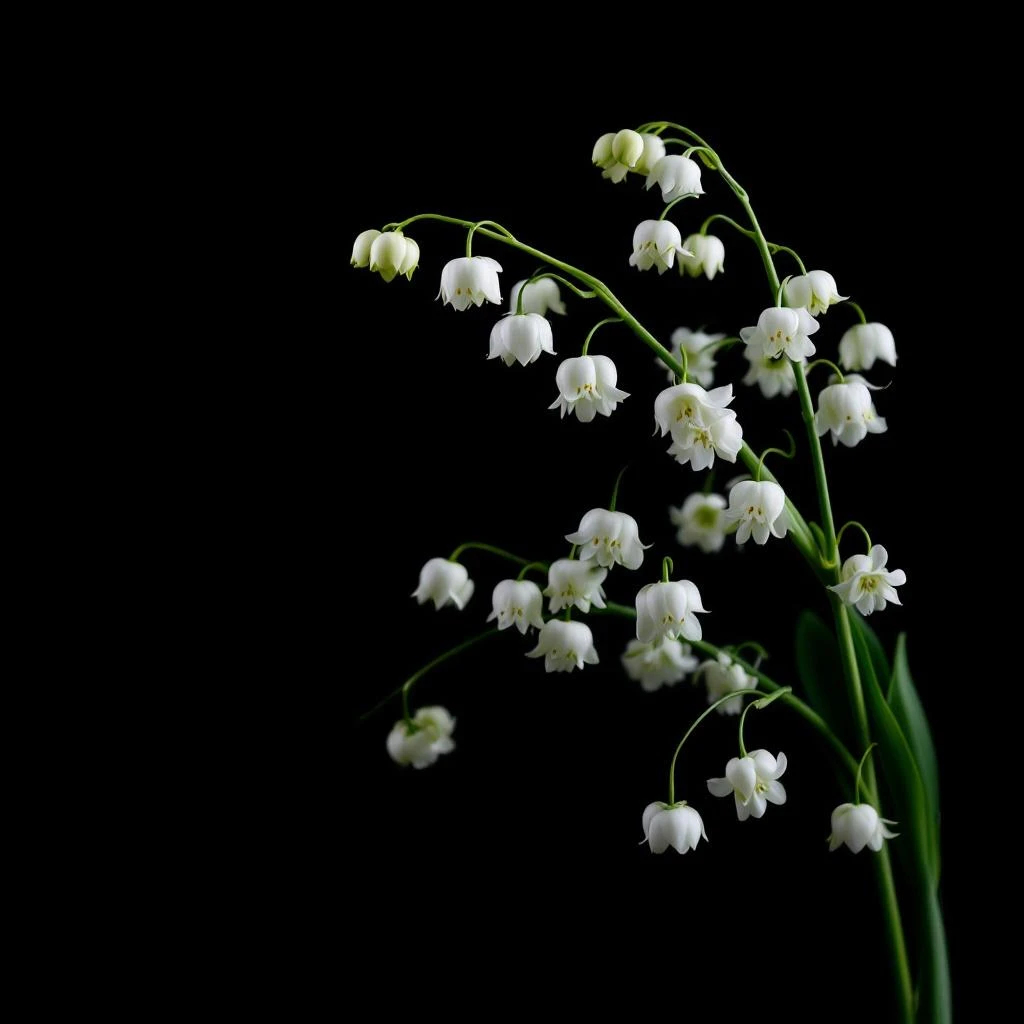
Mugane delivers a clean, crisp muguet (lily-of-the-valley) character with green, fresh, and luminous qualities. It reproduces the white-floral charm of the natural flower, which cannot be extracted through conventional methods.
Is Mugane a natural ingredient?
No. Mugane is a synthetic captive molecule created by the fragrance house MANE. It exists purely through chemical synthesis and has no botanical origin.
What makes Mugane different from other muguet materials?
Mugane is a captive molecule, meaning only MANE can formulate with it. This exclusivity gives fragrances containing Mugane a distinctive olfactory signature that competitors cannot replicate.
Why is lily-of-the-valley always synthetic in perfumery?
The lily-of-the-valley flower is too fragile to yield any extractable oil through distillation or solvent extraction. Perfumers have always relied on aroma chemicals to recreate its scent.
When was Mugane introduced?
Mugane emerged as part of MANE's captive molecule program in the late 20th or early 21st century, fitting the broader industry trend toward proprietary synthetic ingredients.
Which fragrances contain Mugane?
Mugane appears in various contemporary designer and niche fragrances from the 2020s. Specific formulations remain undisclosed as MANE protects its captive ingredients.
Can other fragrance houses use Mugane?
Only through direct partnership with MANE. As a proprietary captive molecule, Mugane remains exclusive to MANE and their collaborators.
What role does Mugane play in fragrance composition?
Mugane acts as a brightening agent, providing lasting, vibrant floral lift to fragrance heart notes. It works particularly well in modern interpretations of spring and white-floral themes.