
The Story
Why it exists.
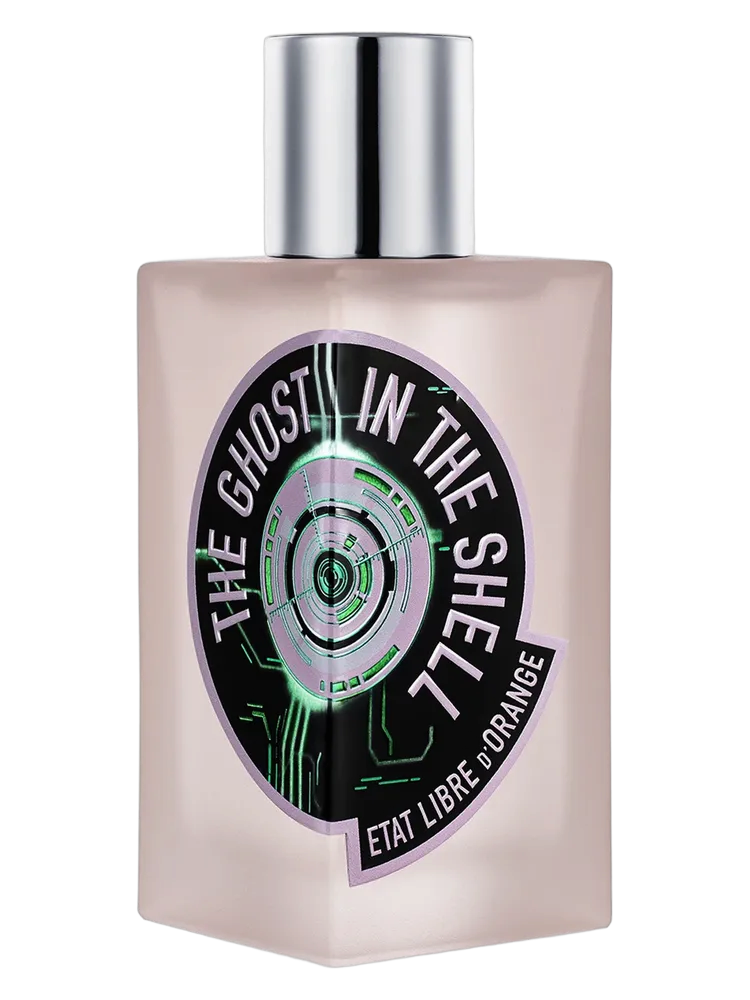
The Ghost In The Shell takes its name from a phrase spoken by one of the last living vestiges of the triumphant 20th century, a practitioner who had absorbed the work of Pierre Teilhard de Chardin, the Jesuit paleontologist, theologian, and philosopher known for his writings on the future of humanity. A perfumer brought Chardin's ideas to this practitioner and received four whispered words in response: Ghost in the Shell. That phrase became the fragrance's title and its core provocation. The name implies something immaterial inhabiting something structural, consciousness inside a frame. That is the scent.
If this were a song
Community picks
Midnight City
M83
The Beginning
The Ghost In The Shell takes its name from a phrase spoken by one of the last living vestiges of the triumphant 20th century, a practitioner who had absorbed the work of Pierre Teilhard de Chardin, the Jesuit paleontologist, theologian, and philosopher known for his writings on the future of humanity. A perfumer brought Chardin's ideas to this practitioner and received four whispered words in response: Ghost in the Shell. That phrase became the fragrance's title and its core provocation. The name implies something immaterial inhabiting something structural, consciousness inside a frame. That is the scent.
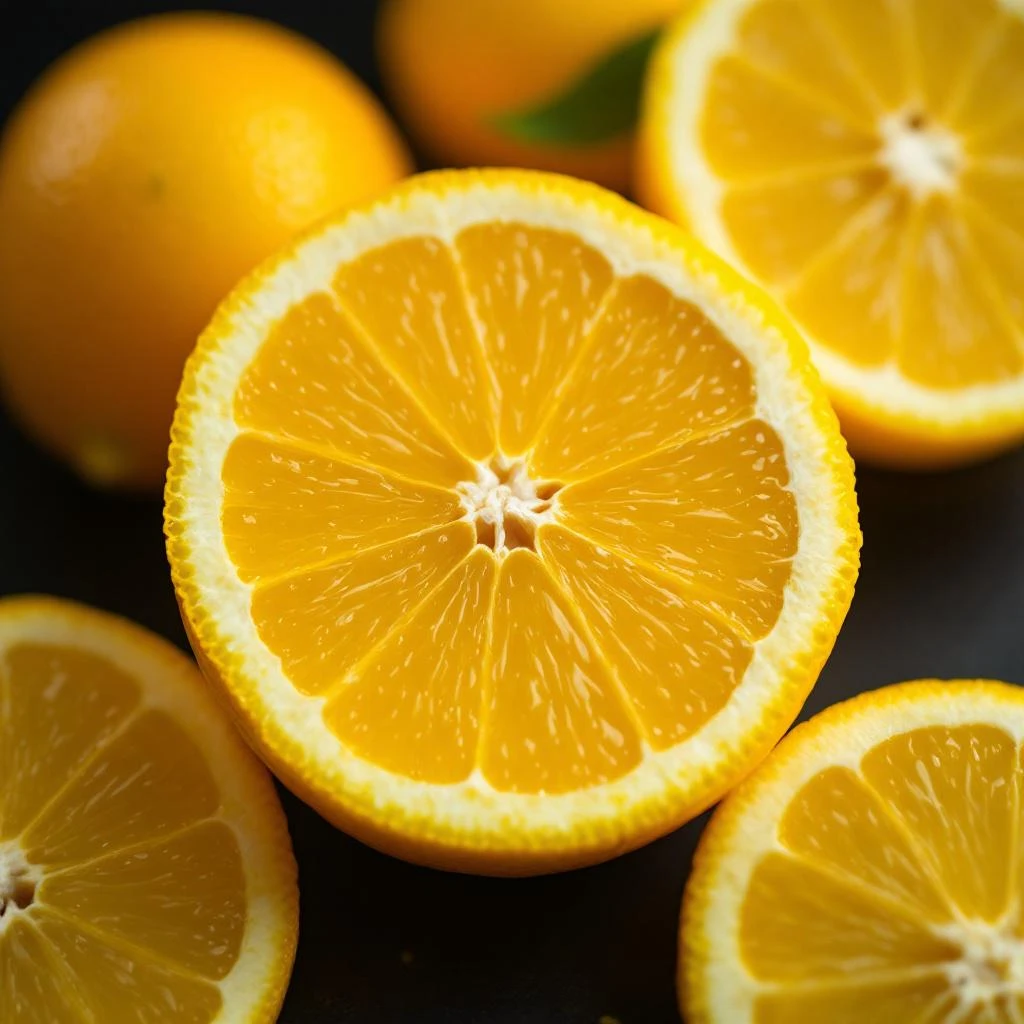
The note structure enacts this split deliberately. Aqual is a synthetic aquatic, clean, precise, almost clinical. Yuzu adds a tart, bright citrus that reads as technological precision. But then the heart arrives: milk accord, skin accord, jasmine absolute. These are organic, warm, intimate. They smell like someone. Vinyl Guaiacol and Orcanox anchor the drydown with a woody, slightly smoky quality, not synthetic exactly, but not entirely natural either. Moss grounds the whole thing in earth. The effect is a fragrance that oscillates between the clinical and the intimate, between machine and flesh, without ever fully choosing a side.
The Evolution
The opening hits bright, Aqual and yuzu create an aldehydic fizz that zings for the first ten minutes. It's clean, it's sharp, it could pass for synthetic. But the milk accord arrives faster than expected, threading into the citrus before it fades, softening everything into something warmer. Not sweet. Lived-in. The jasmine enters around the twenty-minute mark, over a skin accord that grows increasingly present, this is where the fragrance shifts. It stops smelling like a product and starts smelling like a person. The drydown holds the milk-skin blend alongside moss and Vinyl Guaiacol, a green-woody base that persists for 4 to 6 hours on most skin types. Projection moderates after the first hour. What lingers is intimate, close, almost electrostatic, the ghost in the shell, still humming after you've left the room.
Cultural Impact
The Ghost In The Shell arrives in a world learning to live alongside artificial intelligence, questioning what makes us human when machines grow more lifelike. The milk-skin accord is the scent of presence itself, warm, intimate, biological. The synthetic materials don't displace it; they contextualize it. In the landscape of contemporary fragrance, this is the smell of the biological as a choice, not a limitation.
The House
France · Est. 2006
Étienne de Swardt founded Etat Libre d'Orange in 2006 with a manifesto: perfume should provoke. The house gives its perfumers total creative freedom — no commercial briefs, no focus groups. The result is a catalog of unapologetic scents, from the animalic shock of Sécrétions Magnifiques to the delicate restraint of Yes I Do. Perfumery as contemporary art.
If this were a song
Community picks
The Ghost In The Shell sounds like the intersection of warmth and precision, analog pulse over digital signal. Soft synth pads give way to a human voice that doesn't resolve. Think: music that breathes.
Midnight City
M83