Hexyl Acetate
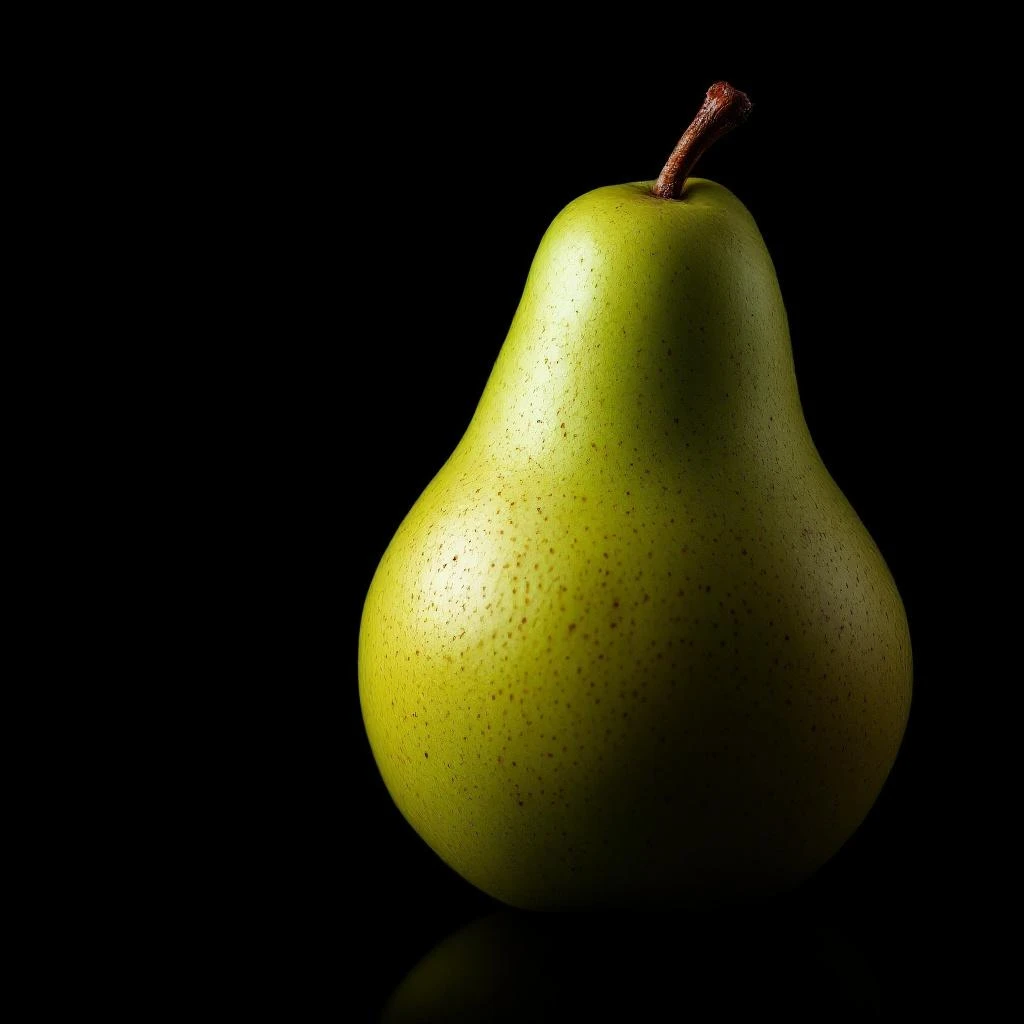
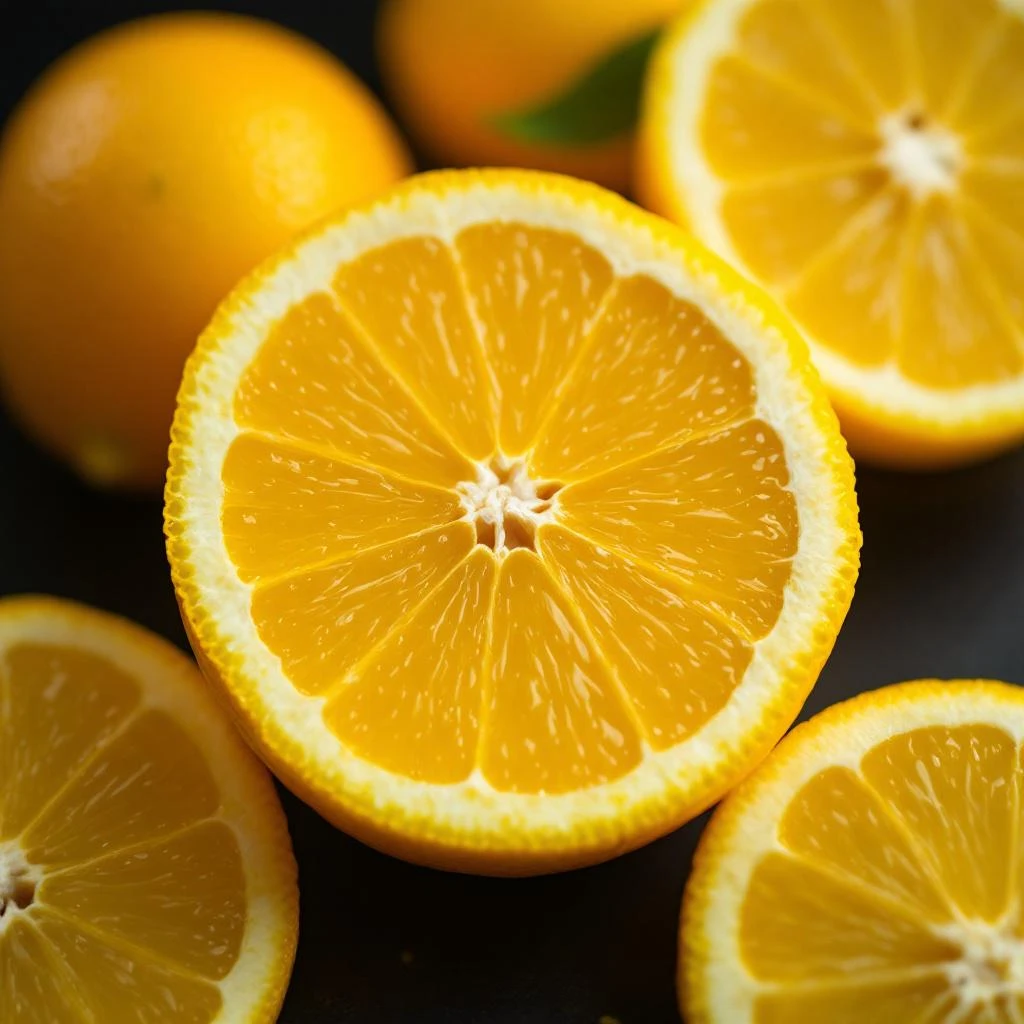
Hexyl Acetate is a crisp, synthetic ester delivering bright apple-pear freshness with subtle green and floral facets. As one of perfumery's most versatile top-note materials, it naturalizes fruity and green compositions with immediate, diffusive freshness.
Character
How it smells
Crisp orchard-fruit freshness in a versatile top note.
Hexyl Acetate is the primary volatile released by ripe pears—and also a component of honey bee alarm pheromone, which explains why disturbed bees sometimes smell distinctly fruity.


Origin
Laboratory production, global
While specific discovery details remain undocumented, hexyl acetate's commercial application in the flavor and fragrance industries dates to at least the early 20th century. Arctander documented the compound in his foundational 1969 reference work, noting its sweet, fruity-green character and practical utility. Hexyl esters occur relatively rarely in nature, making hexyl acetate a standout among its class.
The compound represents the shift from purely botanical perfumery toward modern synthetic chemistry, bridging natural orchard-fruit inspiration with reliable, scalable production. Today it remains a cornerstone top-note material across fine fragrances, functional products, and flavor applications.
Wears it best
Fragrances featuring Hexyl Acetate
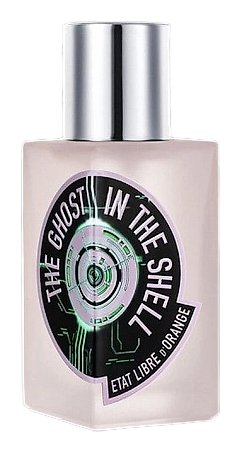
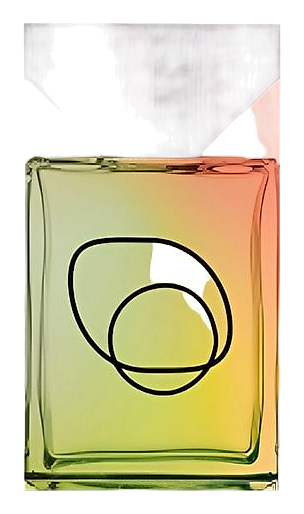
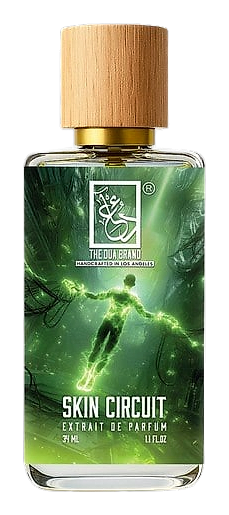
Brands
Brands known for Hexyl Acetate
Good to know
Questions, answered
The essentials on Hexyl Acetate in perfumery: how it smells, where it comes from, and how it behaves on skin.
What does hexyl acetate smell like?
Hexyl Acetate delivers a crisp, fruity-green aroma reminiscent of fresh apples and pears with subtle floral undertones. It registers as sweet and diffusive, with a clean, watery quality that lifts fragrance compositions.
Is hexyl acetate found in nature?
Yes. Hexyl Acetate occurs naturally in pears, apples, strawberries, peaches, bananas, and roses. However, commercial fragrance production relies on synthesis for consistency and supply reliability.
How is hexyl acetate produced commercially?
Manufacturers use Fischer esterification, combining 1-hexanol with acetic acid under acid catalysis. The resulting ester is purified to a colorless liquid. The synthetic version is molecularly identical to the natural compound.
What fragrance families use hexyl acetate?
Hexyl Acetate appears in fresh, fruity, green, aquatic, and difflusive floral bouquets. Perfumers employ it as a top-note modifier to introduce immediate orchard-fruit realism to compositions.
What blends well with hexyl acetate?
It pairs effectively with citrus aldehydes, citronellol, geranyl acetate, and cis-3-hexenyl acetate for enhanced green-fruity character. It also combines well with lactones and woody base materials.
Is hexyl acetate safe for skin use?
Hexyl Acetate holds IFRA certification and appears in countless consumer products including personal care and cleaning formulations. It is biodegradable and considered safe at standard concentrations.
Why is hexyl acetate important in perfumery?
It provides a reliable, high-volume top-note solution for recreating realistic fruit and foliage nuances. Its difflusive quality ensures the fruity-green character carries through a fragrance composition efficiently.
Does hexyl acetate occur in food as well as fragrance?
Absolutely. Hexyl Acetate serves as a pear and apple aroma compound in food flavoring and beverages. Nature-identical versions are standard in both industries.
In the same family