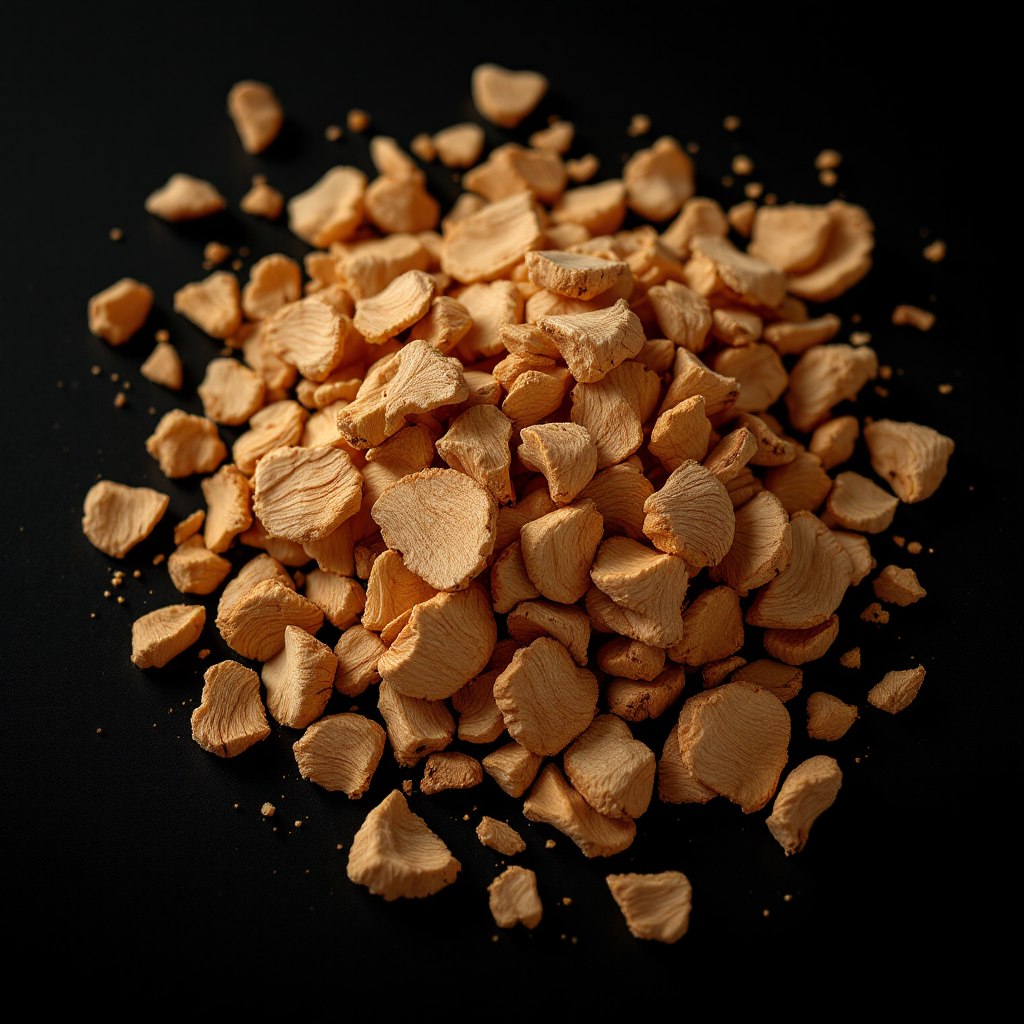
Vinyl Guaiacol
Vinyl Guaiacol is a bio-based aromatic molecule derived from corn fermentation. It delivers a distinctive blend of fermented warmth, clove spice, and subtle sweetness to fragrance compositions, making it a sought-after ingredient for spicy, woody, and leather-inspired scents.

Character
How it smells
Fermented clove warmth from corn to composition
Vinyl Guaiacol is a direct chemical precursor to Vanillin — the same compound responsible for vanilla's iconic scent.


Origin
United States
Vinyl Guaiacol exists naturally across a surprising range of everyday products — it contributes characteristic notes to tobacco, coffee, and grapes. Perfumers first recognized its aromatic potential when they noticed structural similarities between this molecule and two well-established fragrance materials: Gaiac Wood essential oil and Eugenol, the primary constituent of clove oil. The molecule found early applications in food flavorings before gaining traction in fine perfumery.
Its journey from food ingredient to perfumery material reflects a broader pattern in fragrance chemistry, where materials discovered in natural contexts are later isolated and applied with greater precision. Though not as historically prominent as ancient materials like frankincense or musk, Vinyl Guaiacol represents the modern era of bio-based aromatic chemistry, where fermentation science enables perfumers to access complex scent profiles while reducing reliance on petrochemical-derived synthetics.
Wears it best
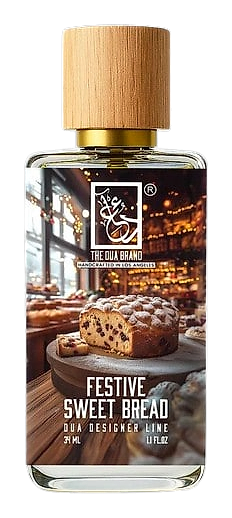
Fragrances featuring Vinyl Guaiacol
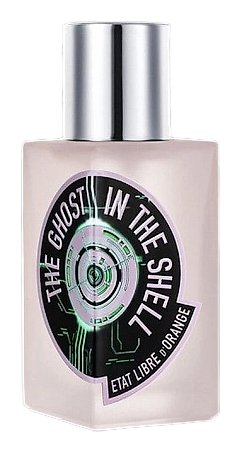
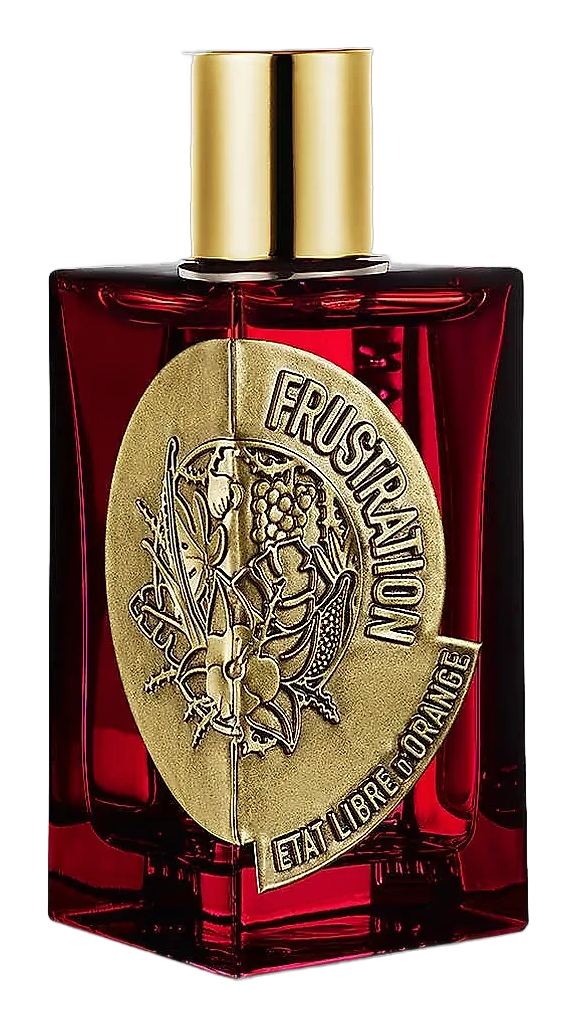
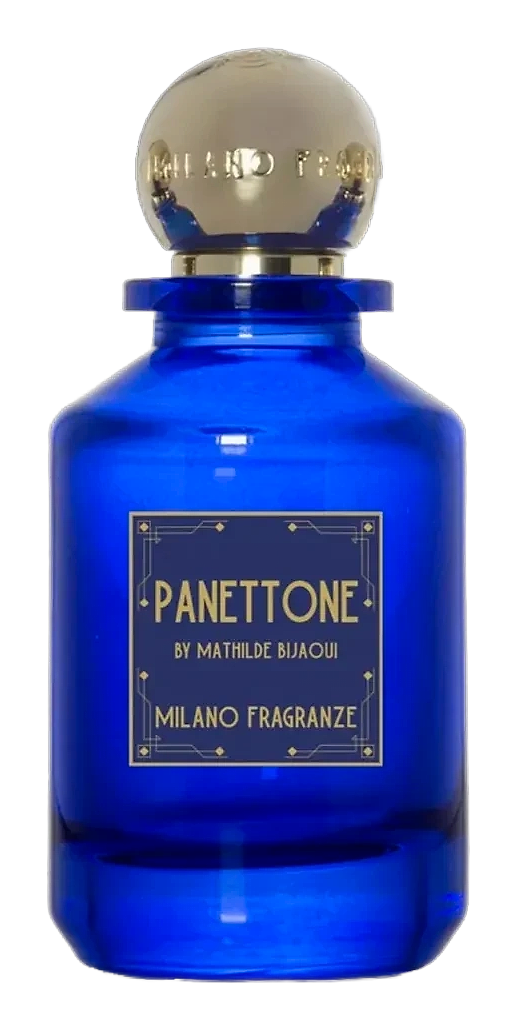
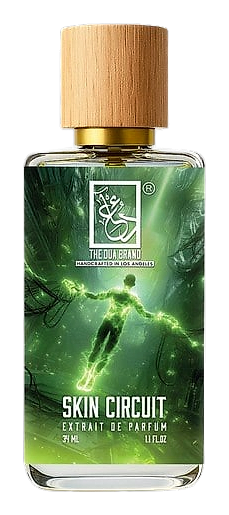
Brands
Brands known for Vinyl Guaiacol
Good to know
Questions, answered
The essentials on Vinyl Guaiacol in perfumery: how it smells, where it comes from, and how it behaves on skin.
What does Vinyl Guaiacol smell like?
Vinyl Guaiacol presents a complex aromatic profile combining fermented warmth with clove-like spice and subtle sweetness. Its scent is often compared to Gaiac Wood essential oil and is particularly valued in perfumery for adding depth to spicy and woody compositions.
How is Vinyl Guaiacol produced?
Vinyl Guaiacol occurs naturally during the fermentation of cereals, particularly corn. It forms when ferulic acid undergoes decarboxylation. Commercially, it is extracted from fermentation volatiles in corn ethanol production, making it a bio-based aromatic compound.
What fragrance families use Vinyl Guaiacol?
Vinyl Guaiacol is most commonly used in balsamic, spicy, woody, and leather fragrance families. Perfumers employ it to add fermented warmth and clove-like complexity to base note compositions.
Is Vinyl Guaiacol a natural or synthetic material?
Vinyl Guaiacol is considered bio-based, as it occurs naturally during the fermentation of grains. While it can be synthesized in laboratories, commercially it is extracted from fermentation processes, giving it a natural origin.
What foods and beverages contain Vinyl Guaiacol naturally?
Vinyl Guaiacol occurs naturally in tobacco, coffee, and grapes. It develops during the fermentation of grains and contributes to the aromatic complexity of these products.
How does Vinyl Guaiacol relate to other fragrance ingredients?
Vinyl Guaiacol shares structural and aromatic similarities with Gaiac Wood essential oil and Eugenol (clove). It is also a chemical precursor to Vanillin, as oxidation converts it into the compound responsible for vanilla's characteristic scent.
Why is Vinyl Guaiacol considered a premium fragrance ingredient?
Vinyl Guaiacol carries a comparatively high cost due to its specialized production from fermentation volatiles. Its distinctive aromatic profile — difficult to replicate with less expensive alternatives like Vanillin derivatives or Creosol — justifies its use in fine perfumery.
What role does Vinyl Guaiacol play in fragrance composition?
Vinyl Guaiacol functions as a base note modifier that adds fermented warmth, clove-like spice, and subtle woody depth. Perfumers value it for lending complexity to leather, woody, and oriental fragrance structures while extending the aromatic life of a composition.