The Story
Why it exists.
The beginning
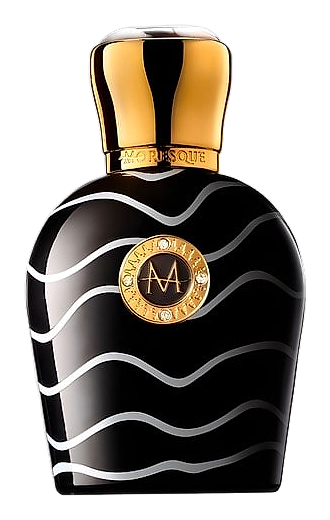
Aristoqrati arrived in 2015 as part of Moresque's Art Collection, a house built on the idea that scent can translate the geometric precision of Moorish art into something wearable. The name itself is a statement: aristocrats, dynasties, the weight of lineage. Perfumer Andrea Thero Casotti worked with that concept directly, translating the brand's core tension between Italian refinement and Arabic richness into a fragrance that feels like a quiet claim rather than a loud one. The brief wasn't opulence for its own sake. It was elegance that knows exactly what it is.
What makes Aristoqrati interesting is how it handles contrast. The opening pairs geranium and nutmeg, bright, green, slightly peppery, against a heart of vetiver and peony that brings earthy, mineral depth. That switch from sharp clarity to smoky warmth isn't accidental. It's the structural move that makes the fragrance feel composed rather than random. Peony does the quiet work of keeping the vetiver from becoming too austere, bridging the gap between the aromatic top and the warm base without ever becoming sweet. The result is a composition that rewards attention.
The evolution
The opening hits clean: geranium's green bite softened by nutmeg's warmth. It's crisp for about twenty minutes, almost astringent, before the vetiver arrives and shifts everything. Earthy, mineral, slightly smoky, this is the heart doing its job, grounding the brightness that came before. Peony lingers in the background, keeping things elegant without ever taking over. By the third hour, patchouli and vanilla start their slow emergence. The patchouli is dark and moist, almost chocolatey. Vanilla and amber round it into warmth that stays close to skin through the evening. Eight to ten hours is realistic. On fabric, the vetiver and patchouli can linger for days.
Cultural impact
Aristoqrati occupies a particular space in the niche fragrance world, neither overtly Western nor derivative of Middle Eastern perfumery traditions, but somewhere in the productive tension between them. The Art Collection's 2015 debut established the house's positioning around cultural hybridity, and this fragrance embodies that intent most directly. It's the kind of scent collectors reach for when they want something that feels earned rather than obvious.