The Story
Why it exists.
The beginning
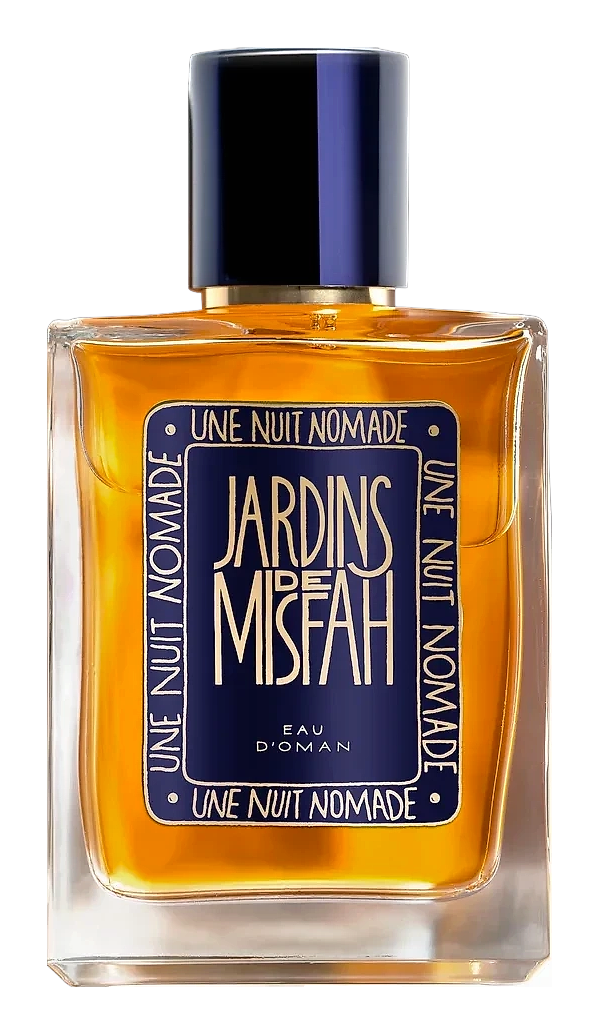
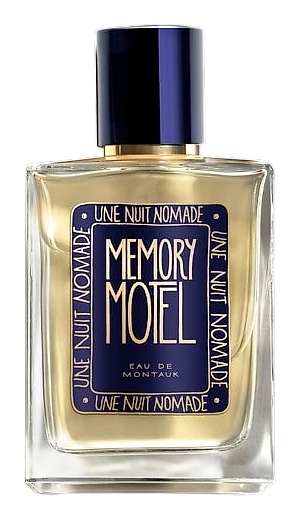
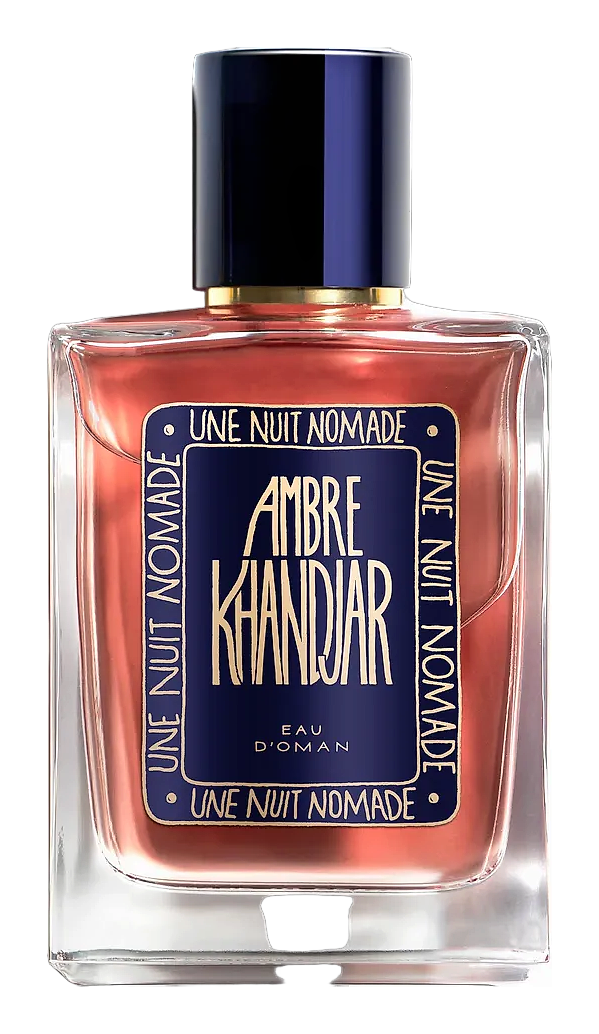
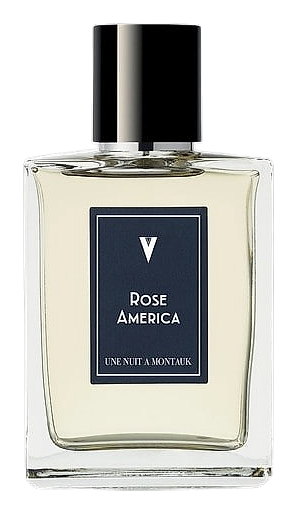
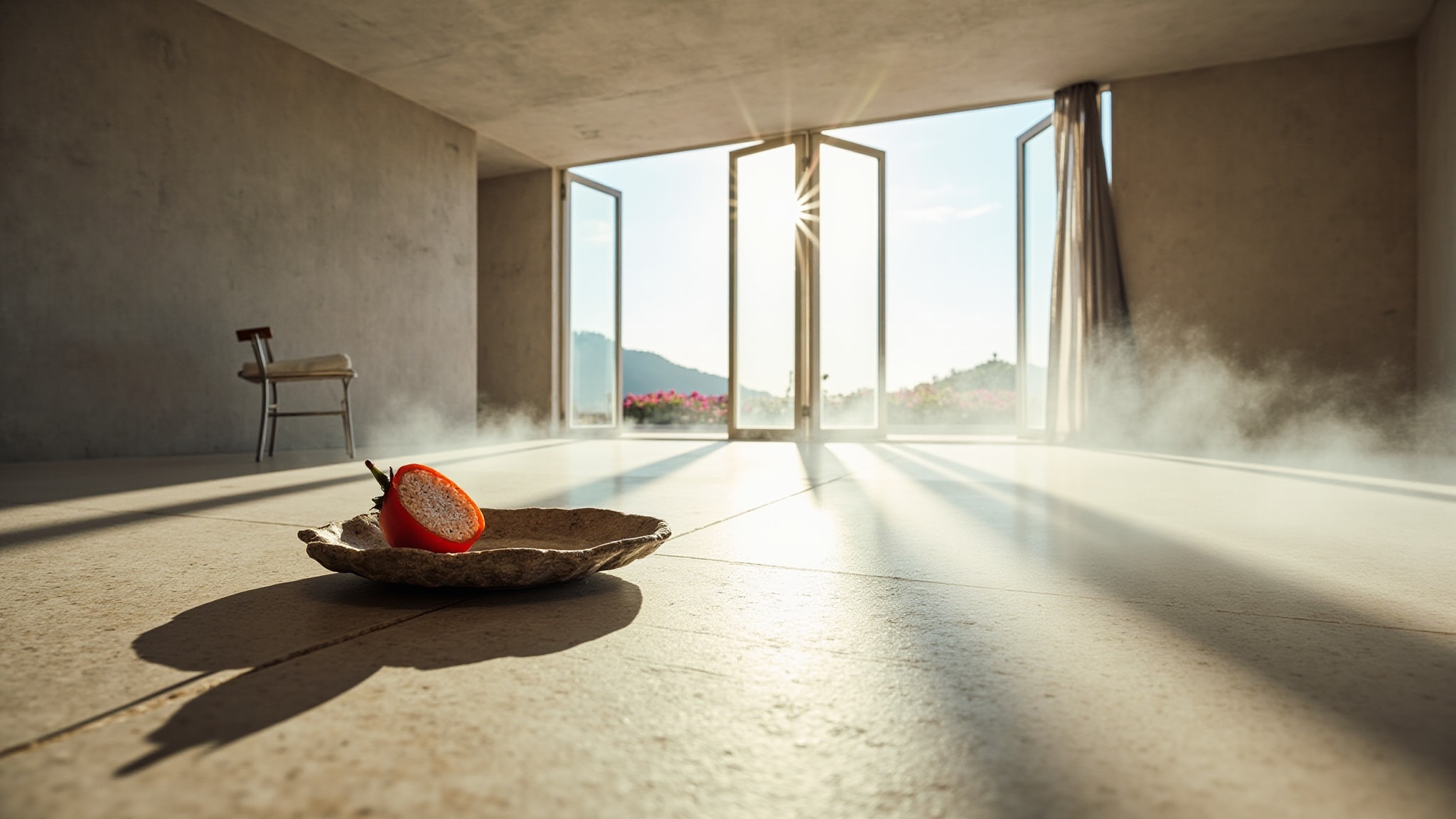
The name says America, but the story starts in Montauk. On the dunes at the edge of Long Island, where the Atlantic pushes against the shore and the wind never quite stops. A wild rose grows there, Rosa rugosa, shaped by sea spray and time into something that no garden ever intended. The house faces the ocean. Shutters cracked open in summer light. A breeze carries the smell of fresh sheets mixed with something green and salt and alive. That's the moment Une Nuit Nomade reached for. Not a rose as an idea, a rose as it exists in that specific place, shaped by that specific wind. Annick Ménardo built the fragrance from that image outward, finding materials that could carry that coastal weight without tipping into the typical aquatic territory. The result is a rose that smells like it grew up arguing with the sea.
The ambrette is what makes this work. Musk mallow seed gives warmth and a faintly animal quality, not the clean static of synthetic musks, but something that behaves like skin. Heliotrope adds powdery florals and a whisper of almond that keeps the base intimate rather than sweet. Together they create a foundation that doesn't project so much as settle, the kind of scent that rewards proximity. Meanwhile, carnation in the heart provides something unexpected: a dry, warm spice that reads almost like clove, pushing against the coolness of the marine notes and the rose. This is not a linear rose fragrance. It's a conversation between warmth and coolness, between cultivation and something wilder.
The evolution
The opening is the shortest phase. Aquatic notes and raspberry arrive together, the salt holding steady while other elements shift and evolve. The raspberry becomes less fruity as it settles with skin, taking on a quality that reads as natural sweetness without any sugary edge. The heart owns the middle hours. Bulgarian rose absolute asserts itself gradually, taking space from the marine notes as they recede. Carnation adds warmth that transforms the rose into something with a subtle spiced quality, almost edible in its richness but never tipping into sweetness. Then the drydown arrives. Ambrette and heliotrope create a warm, close presence that stays near the skin, intimate rather than announced. The rose and salt don't fully disappear, they linger underneath, becoming part of the skin's own smell rather than sitting on top of it.
Cultural impact
Rose America occupies territory away from the bright fruity-rose category and equally apart from heavy oriental-rose styling. The marine-salty character positions it as a fragrance that treats rose as a landscape element rather than a centerpiece, inviting comparison with other scents that approach rose as environmental texture rather than focal point. The people who connect with it tend to be those who read the Montauk concept and understand that this isn't about romantic coastal imagery. It's about a specific kind of austere beauty, a rose that went somewhere and carried that place with it.