The Story
Why it exists.
The beginning
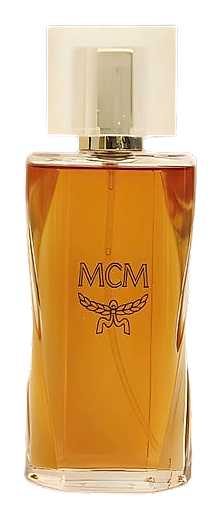
Blue Paradise arrived in 1989 from Mode Creation Munich, the German fashion house behind the name MCM. A reviewer who owned it also mentioned a sibling scent called Obelisk, suggesting the brand had already begun building out its fragrance line before Blue Paradise entered the picture. Blue Paradise itself read as a chypre-floral composition aimed at the woman who wanted something with backbone, not just prettiness. The perfumer credited on the bottle is Arturetto Landi, an Italian nose who'd worked across the European fragrance scene. His hand shows up clearly in the green, resinous, almost architectural shape of the juice. Galbanum leads with that bitter crushed-stem sharpness, the orris settles in like cosmetic powder at the heart, and oakmoss lays down a dark earthy floor underneath.
What makes Blue Paradise worth pulling apart is the galbanum. That green bitter stem note at the opening refuses to behave. Galbanum doesn't melt into a heart, it cuts through it, slicing across whatever fruit and floral softness sits beneath. The sharpness is what gives this composition its distinctive character against softer peach-and-violet compositions. The orris root in the middle ground is the other element worth noting. Orris gives powder, weight, a kind of cosmetic drydown that anchors all that fruit before the oakmoss takes over.
The evolution
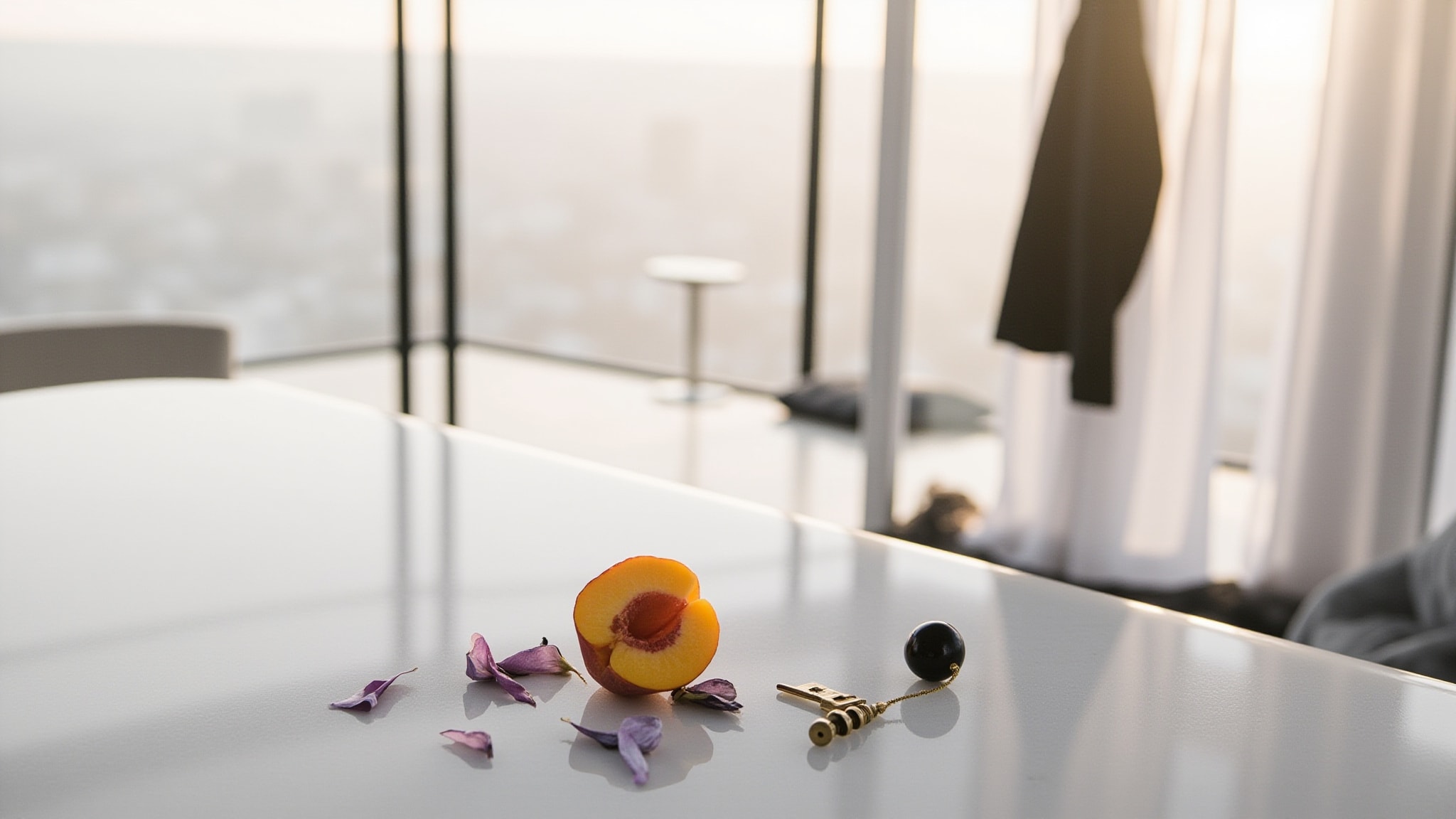
First ten minutes is the loudest part. Galbanum's green blade hits cold and sharp, the way it does in any chypre that isn't afraid of it. Peach and blackcurrant arrive immediately to soften that edge, but they don't kill it. Bergamot and mandarin add a brief citrus shimmer that disappears faster than you'd expect. Violet floats over everything, giving the opening that slightly dusty, cosmetic warmth underneath. Around the thirty-minute mark the orris arrives properly, powdery and serious. This is where Blue Paradise stops being a fruit opening and becomes a chypre. Cyclamen and hyacinth bring cool floral weight, jasmine adds a touch of sweetness, rose threads through without ever taking over. Lily of the valley keeps the whole thing bright. The middle phase is the most composed part, the moment when all the disparate notes find their arrangement. By hour three or four, the base settles in. Oakmoss does what oakmoss does, giving that earthy, forest-floor depth that defines the whole chypre family. Sandalwood softens the moss without flattening it.
Cultural impact
Blue Paradise has earned a quiet following among collectors and chypre enthusiasts who still want that galbanum-and-oakmoss architecture without venturing into better-known vintage territory. It's the kind of scent someone discovers through word of mouth rather than department store displays, and that obscurity is part of its appeal. The fragrance rewards attention: the bitter green opening, the way the orris settles into a powdery cosmetic drydown, the mossy base that lingers on skin hours later. Wearing it today feels like pulling on a piece of late-1980s perfumery that hasn't been smoothed out for modern tastes.