
The Story
Why it exists.
The beginning
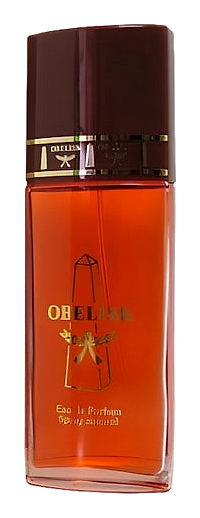
MCM launched its first fragrance in 1985, a decade when the German fashion house was building its reputation on leather goods stamped with that now-iconic medallion canvas. The Obelisk arrived as an eau de parfum, named after the towering monuments that anchor city squares. It was a statement. Arturetto Landi designed the composition to match the energy of the era: bold, confident, impossible to ignore in a crowd. Galbanum and peach opened the chapter. Everything that followed was built to sustain it.
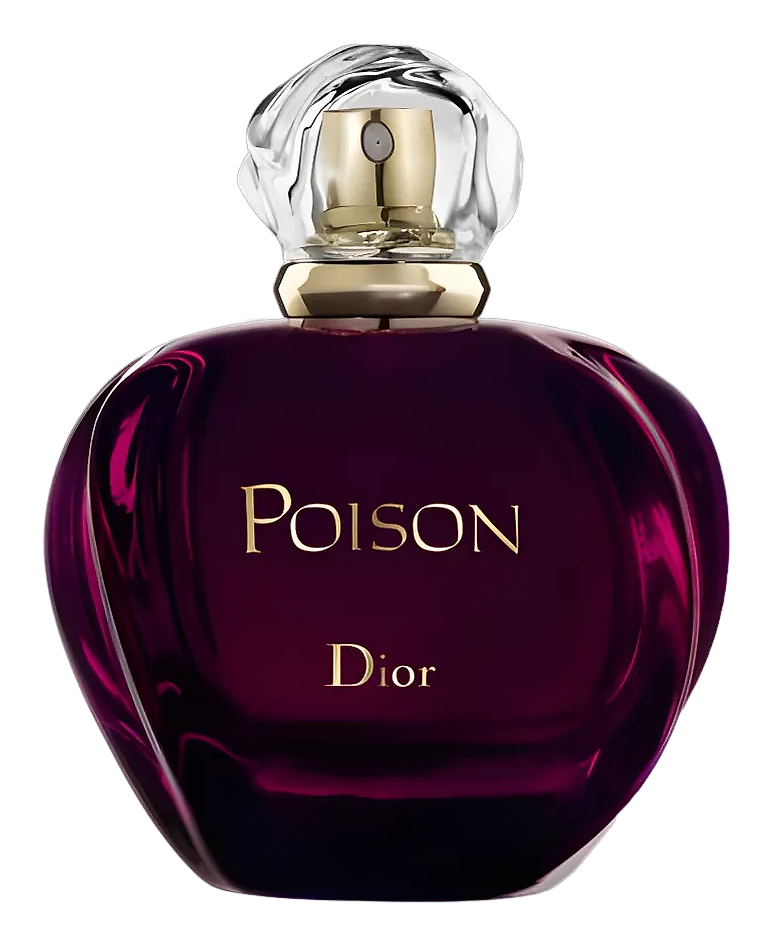
The structure is the thing. Most orientals from this era leaned into warmth as an excuse for blur, Opium, Poison, surrounds you. Obelisk uses green notes as scaffolding. The aromatic thyme running through the heart keeps jasmine and rose from becoming decorative. By the time the amber and benzoin arrive, the fragrance has architecture: clean lines, load-bearing walls. The powdery drydown isn't an afterthought. It's the foundation, built from moss and sandalwood that settle low and stay. This is oriental construction with German discipline, warm without disappearing into itself.
The evolution
The opening hits like cold water. Green galbanum takes the lead, sharp enough to feel like the first sip of something bitter, then the lemon and bergamot soften the edges. Peach arrives late, the fruit that ripened while no one was watching. For about thirty minutes, the fragrance reads almost clinical. Precise. Like someone who measured twice. Then the rosewood enters. Palisander rosewood is unusual, denser than standard rosewood, with a warmth that borders on spicy. It reshapes the composition. The jasmine and rose underneath don't disappear, but they stop being the point. Ylang-ylang pulls them back toward earth. The green from the opening lingers at the edges like a memory. The drydown is where Obelisk earns its reputation. Amber and benzoin arrive together, sweet and resinous, then the vanilla and musk follow. Moss adds a cool, slightly animalic depth. Sandalwood and cedar ground everything. The result is powdery without being dusty, warm without being heavy. It stays close to the skin but announces itself in movement.
Cultural impact
Obelisk existed in the era of statement fragrance, when fashion houses treated scent as an extension of wardrobe, not an afterthought. It held its own among European designer fragrances of the mid-80s. Bold without apology, the kind of presence that filled a room without apology.
The House
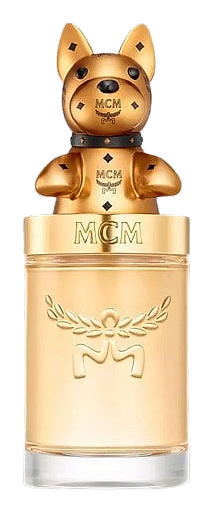
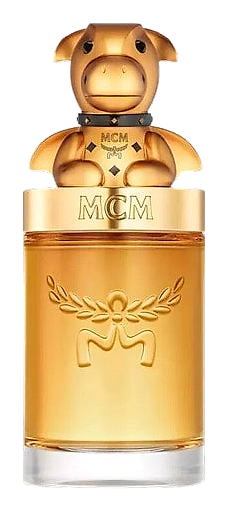
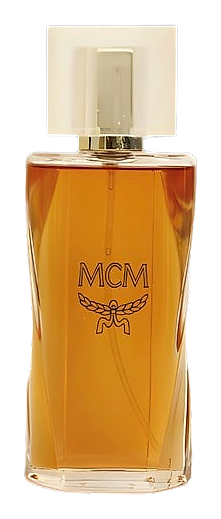
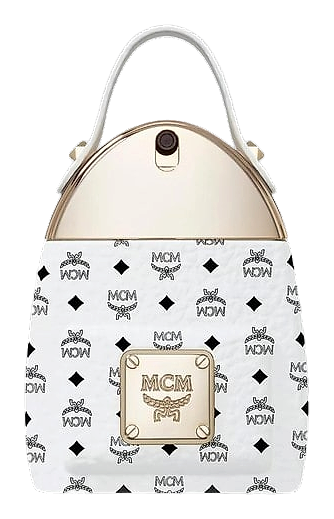
MCM - Mode Creation MunichMCM, standing for Mode Creation Munich, is a German fashion house founded in 1976 by Michael Cromer. The brand began as a luxury leather goods and accessories label, quickly developing a distinct visual identity with its signature dark blue Moneta canvas printed with the house's logo medallion. From its Munich origins, the brand grew into a globally recognized fashion name. The fragrance division launched in 1985 with the Obelisk fragrance, extending the house's identity into the world of scent. The 2021 MCM Eau de Parfum, created by perfumer Clement Gavarry, marked a significant new chapter as the brand's first unisex amber floral fragrance. The house has maintained a consistent creative presence in fragrance over four decades, releasing new editions alongside its core collection. MCM's fragrance portfolio spans diverse olfactory territories while remaining connected to the house's travel heritage and German design sensibility. The brand is currently owned and operated under the leadership of Sung-joo Kim.
The Creator
Arturetto LandiLandi favors a clean, linear construction that highlights a single theme before introducing supporting layers. He often begins with a bright top—Italian bergamot, Sicilian lemon, or Calabrian orange—then anchors the heart with aromatic herbs or soft florals.