The Story
Why it exists.
The beginning
Figaro arrived in 2010, a modern composition from a French house with deep roots. Lubin has built a reputation for dressing singular characters in scent, producing fragrances that speak with a distinct point of view. Figaro carries that lineage forward. Thomas Fontaine, the perfumer behind it, built the fragrance around a literary wink: Beaumarchais's Figaro, the quick-witted protagonist of the plays, sharp of tongue and clever with the world around him. The scent takes the same liberties with conventions, starting green and ending in something quietly amber, daring you to notice the turn. There's a confidence to the construction, a refusal to play by the usual rules of either classical perfumery or modern minimalism.
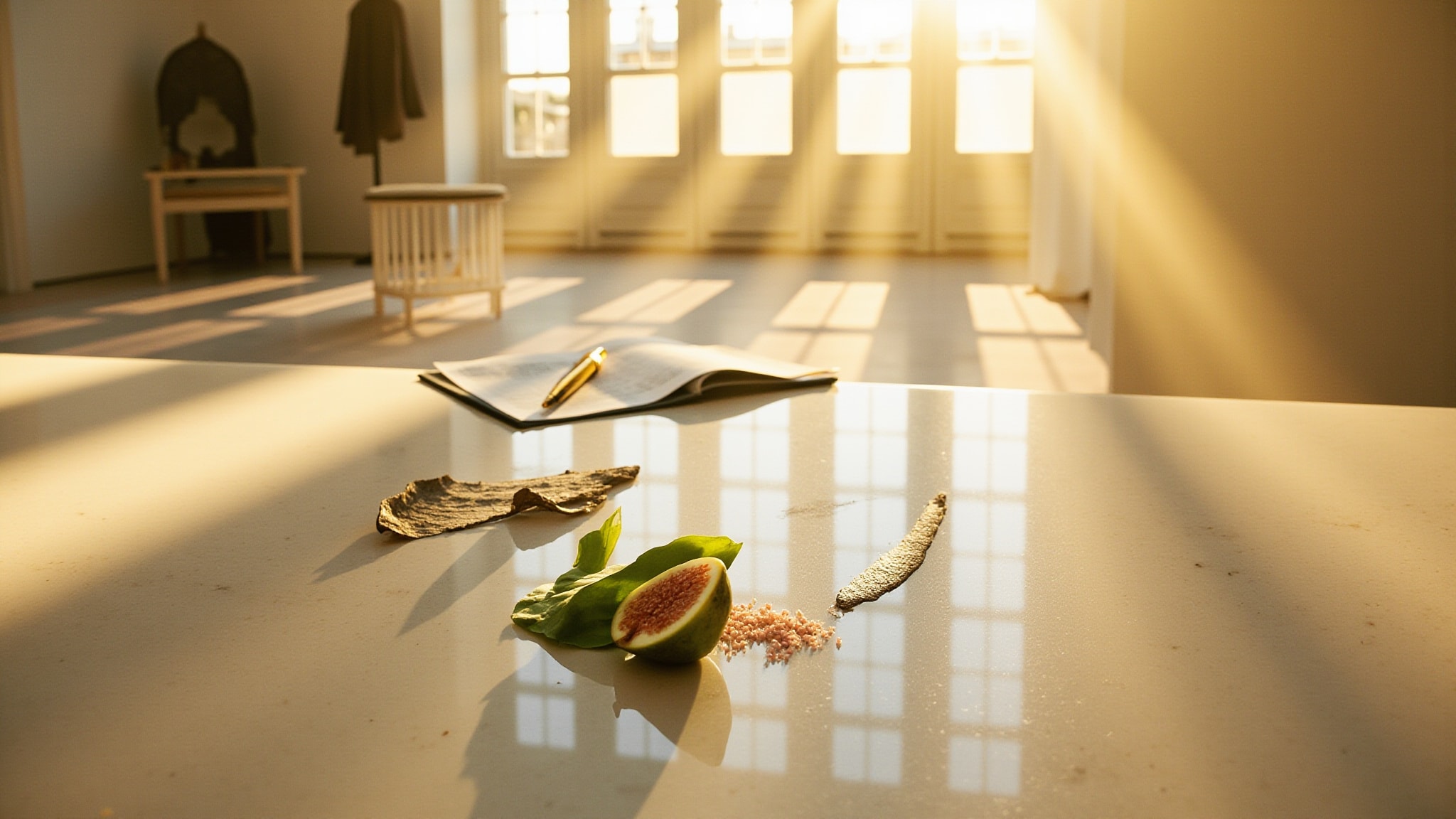
The structural gamble is a vetiver-and-fig counterpoint, two materials that don't typically share a stage. Fig brings that ripe, lactonic sweetness with a leafy bitterness underneath. Vetiver grounds it with rooty, almost metallic dryness. Between them sits a scatter of pink pepper, coriander and clover that lifts the whole thing into aromatic territory rather than letting it collapse into fruit. It's a chypre skeleton wearing a contemporary jacket, green enough to feel alive, woody enough to earn the drydown.
The evolution
The first hour is all snap. Pine and grapefruit come at you sharp, almost bracing, like stepping out of a warm room into coastal air. Bergamot softens the edges. Pink pepper adds a dry flicker of heat. Then the fig arrives. It's not jammy or sweet in any obvious way. It reads more like the inside of a fig leaf, green and slightly milky, with plum and red apple pressing in behind it to round out the fruit without overwhelming it. Coriander and clover hold the whole heart in that herbal, almost hay-like register that keeps things from tipping into dessert territory. Around hour three, the vetiver starts pulling focus. It doesn't announce itself so much as the brighter notes quietly recede and you notice what's been underneath. Sandalwood and tonka bean warm the base into something amber-adjacent, and the styrax adds a faint resinous hum.
Cultural impact
Figaro represents a particular kind of contemporary perfumery, one that takes fig as a serious material worth building a full composition around rather than a fleeting novelty. The fragrance treats the fruit note with the same gravity other houses might reserve for rose or oud, giving it the structural role of a lead rather than a supporting player. That kind of commitment to a single material, letting it carry the entire architecture, places Figaro in conversation with a growing movement of fragrances that prioritize singular concepts over crowd-pleasing complexity.