
The Story
Why it exists.
The beginning
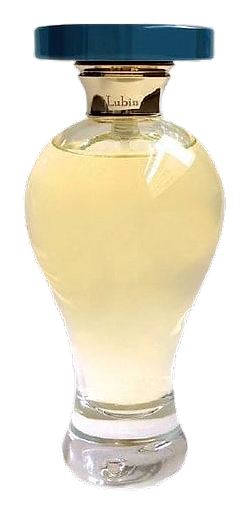
Kismet arrived in 2016 from Lubin, the Paris house founded in 1798. Thomas Fontaine composed it with a name borrowed from Turkish and Arabic, fate, destiny, the thing you can't outrun. The brand's own copy puts it simply: in the wake of an Ottoman spy. That's the mood. Not a story told slowly, but something that happened once, somewhere warm, and left a scent behind.
The note structure pulls in two directions. Citrus opens clean and bright, bergamot, lemon, petitgrain, the kind of clarity that reads as restraint. Then the heart arrives: Bulgarian rose essence alongside rose centifolia absolute, patchouli underneath like a shadow. It's the patchouli that keeps the rose honest. No gauzy petals here. The base is where Lubin earns the name: opoponax and labdanum bring a balsamic depth that vanilla rounds into something warm and close. Bourbon vanilla doesn't hurry. Neither does this fragrance.
The evolution
The opening is brief and bright. Bergamot and lemon arrive together, petitgrain adding a green, slightly bitter thread that prevents sweetness from settling too soon. Twenty minutes in, the citrus recedes and the roses take over, Bulgarian rose first, then the centifolia absolute deepening it. Patchouli anchors everything, keeping the floral from floating away. The drydown is where time shows. Opoponax and labdanum build slowly, the vanilla emerging last, warm and powdery without ever becoming loud. On most skin, eight to ten hours. The sillage stays moderate throughout, present without announcing itself.
Cultural impact
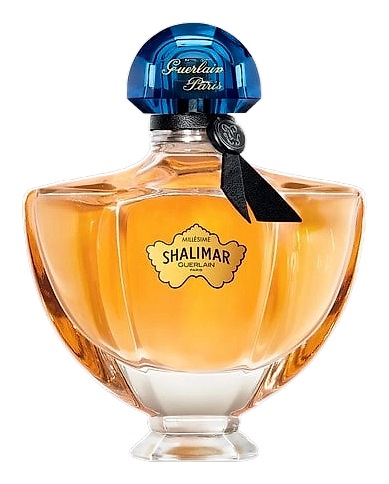
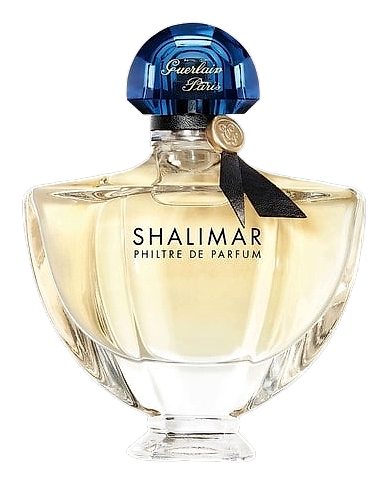
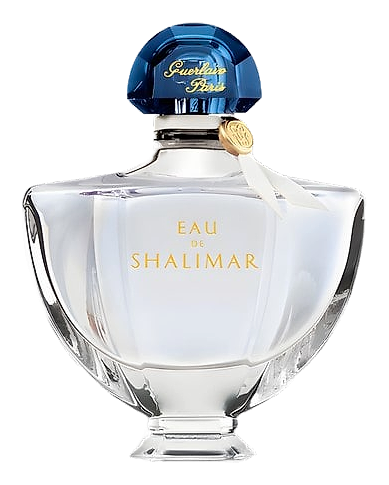
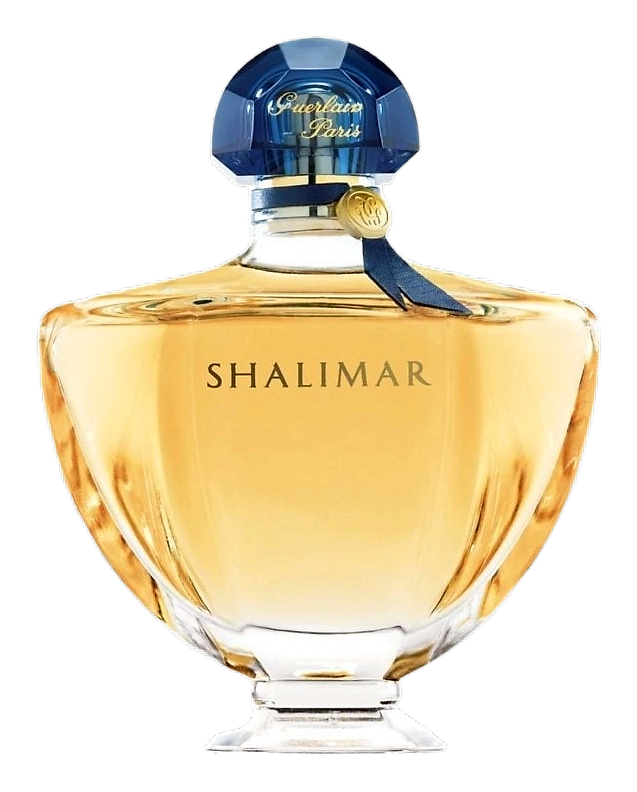
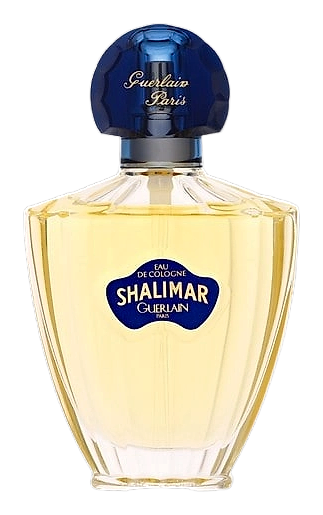
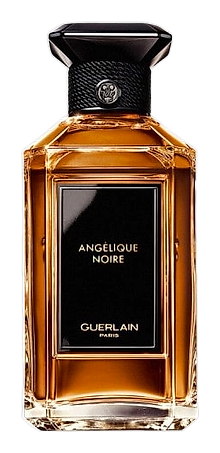
Kismet sits in the Les Classiques collection, Lubin's heritage line, yet the composition feels contemporary. The spicy-powdery character and Bulgarian rose-patchouli pairing will appeal to fans of Guerlain Shalimar and Coty Emeraude. Moderate sillage and strong longevity make it practical for daily wear while the oriental warmth keeps it interesting.