The Story
Why it exists.
The beginning
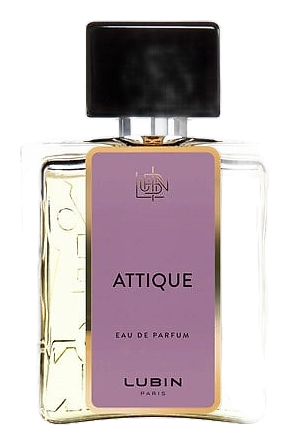
Attique takes its name from "Attic Nights," the writings of Aulus Gellius, a Roman scholar who spent his evenings reading beneath a gnarled fig tree on Mount Parnassus near Delphi. Lubin's perfumer Vanina Muracciole translated that ancient Mediterranean moment into scent for the Les Evocations collection in 2017. The reference isn't decorative. It's literal. Sea breeze threading through cove-side herbs. Green figs ripening on branches above the scrub. The aromatic landscape of a place where philosophy and botany shared the same hillside. Muracciole's composition reads like a postcard from that specific geography, rendered in citrus, white florals, and the unmistakable green of a fig leaf held to the light.
What sets Attique apart from the crowd of aquatics and Mediterranean-inspired scents crowding the market is its refusal to stay in one register. The marine note is salted and atmospheric rather than synthetic, but it's the basil and fig tree working underneath that gives the composition its spine. Most "fresh" fragrances collapse into a single dimension, bright and forgettable. Attique folds in aromatic herbs and a cedar-solar base that adds warmth without weight. The orange blossom and Egyptian jasmine in the heart keep it from going purely green. There's a creaminess in the drydown that the opening promises nothing of. That tension between the cool top and the warm base is what makes it worth smelling twice.
The evolution
The first thirty minutes belong to the sea. Lemon and bergamot arrive bright and immediate, carrying that spindrift note like spray caught on the wind. It smells like walking along a cove at midday, the sun hot on stone. Then the basil cuts through. Herbal, almost peppery, the way basil smells when you crush a leaf between your fingers rather than the jarred stuff. Orange blossom and jasmine open up beneath it, lending a soapy, sunlit quality that some wearers describe as cologne-adjacent and others find genuinely beautiful. The transition from marine to floral to green happens in the first two hours, and it's the best part of the composition. By the third hour the fig tree and cedar take over, and the scent warms significantly. The solar note here reads as a golden, slightly honeyed warmth rather than a sunscreen sweetness.
Cultural impact
Attique reads as a Mediterranean summer fragrance that takes its own reference seriously. The composition holds enough green bitterness and herbal structure to feel substantial in a category often dominated by sheer weightlessness, without crossing into territory that demands a learned palate. It belongs to the Les Evocations collection, a Lubin line built around translating literary and historical references into wearable scent. The fig note at its heart is rendered with uncommon specificity, capturing both the green snap of a fresh leaf and the warmer, almost lactonic sweetness of ripe fruit later in the wear.