The Story
Why it exists.
The beginning
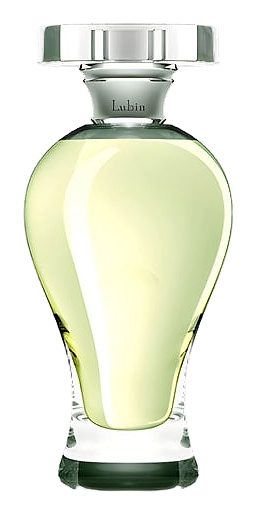
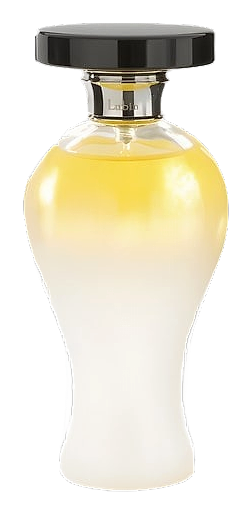
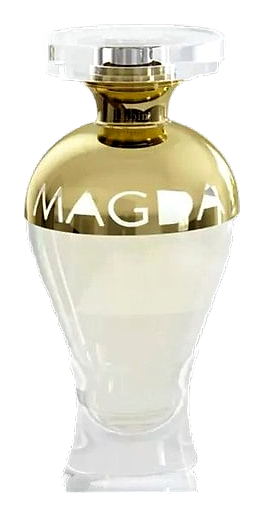
Magda was launched in 1921 by the Lubin house, created by perfumer Delphine Thierry. She named it for a woman who filled a room without trying, a muse to poets, present without announcement. The fragrance carries that energy forward: a bold assertion of white florals and warm spice, sweet without apology. In a time when perfumery was still learning how to be modern, Magda chose to be decisive. The muse herself lived in the margins between movements, Paris's avant-garde circles, Mallarmé's famous Tuesday evenings. She was artist in Mexico, craver of perfection, a presence that couldn't be ignored. The fragrance was built to capture that contradiction: approachable yet uncompromising, warm yet complex. It was made for a woman who knew exactly who she was.
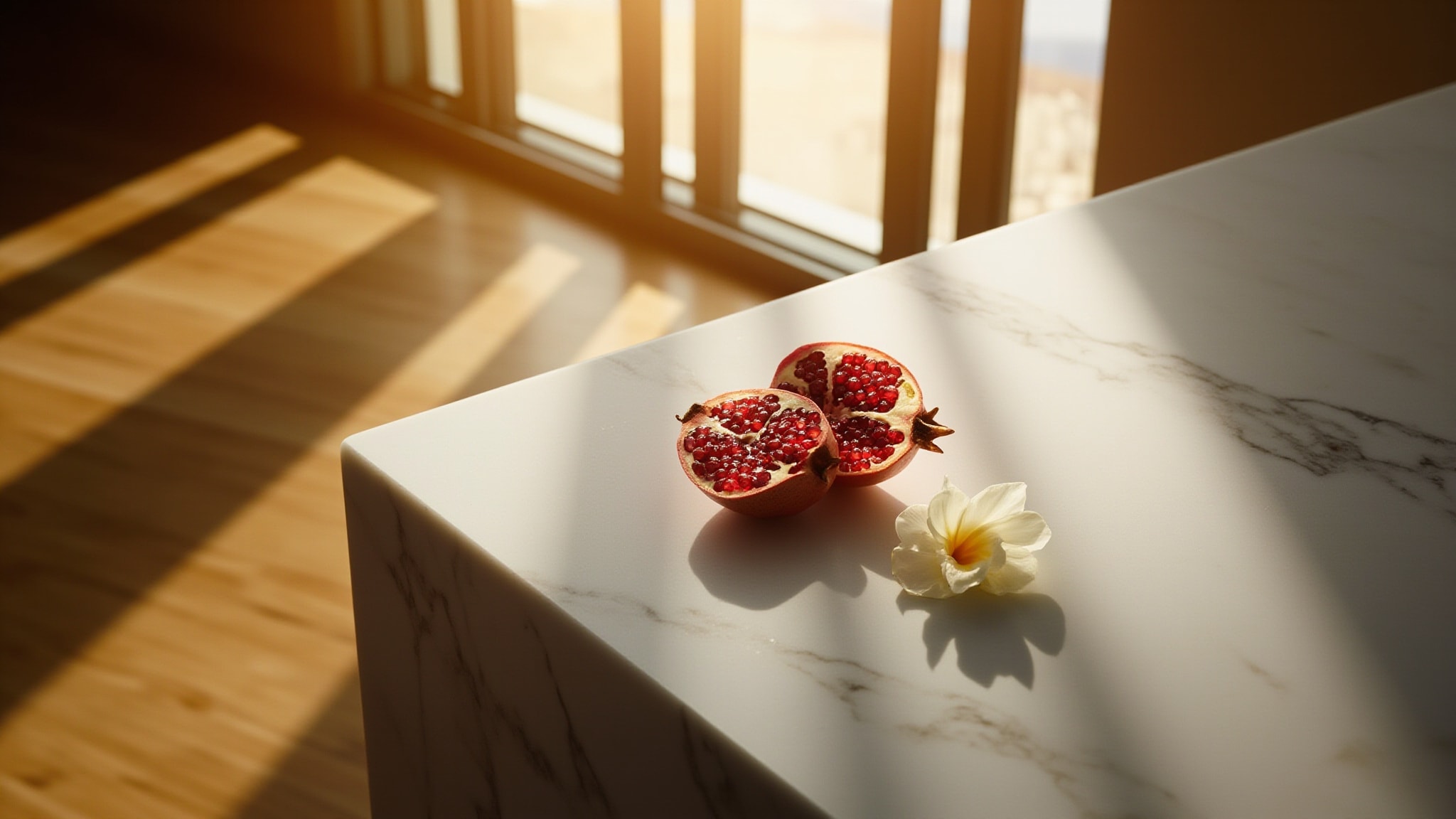
The structure here is what makes Magda interesting. That fruity opening, pomegranate, blackcurrant syrup, cherry, isn't decorative. It's a full declaration. Then the Indian tuberose arrives to complicate things. This isn't polite tuberose. There's a green, slightly animalic undertone beneath the cream, a slight sharpness that keeps the sweetness from flattening. The Tunisian orange blossom and gardenia round it into something sumptuous. At the base, the amaretto and Peru balsam give warmth without heaviness, vanilla and sandalwood keep it close rather than projecting. It's a fragrance that knows when to hold back, even if the opening suggests otherwise.
The evolution
The opening is an immediate jolt. Blackcurrant syrup dominates, sticky-sweet and unapologetic, like ruby-stained fingers from a fresh fruit haul. Pomegranate and cherry soften it slightly. Mandarin peel cuts through with citrus brightness. The whole thing reads almost too sweet for the first five minutes, a deliberate provocation. Then the heart takes over. Indian tuberose asserts itself with a creamy, heady presence that doesn't apologize for being there. Tunisian orange blossom and gardenia layer in. Cinnamon brings warmth, not spice, exactly, but a warmth that suggests the fragrance is settling into itself rather than fading. This phase lasts the longest, carrying the composition through its most complex middle act. The drydown is warm and close. Vanilla cream arrives softly. Sandalwood and Peru balsam ground it into something almost amaretto-adjacent, that bitter-cherry-almond sweetness that lingers on clothes for hours after the initial application has dissipated. On skin, expect 4-6 hours with a warm, intimate trail.
Cultural impact
Magda arrived in 1921 during an era when perfumery was transitioning from heavy Victorian florals toward something more daring and modern. Created for the Lubin house by Delphine Thierry, the fragrance captured a postwar appetite for bold self-expression, refusing to be demure or apologetic. The fruity-sweet opening of blackcurrant syrup and pomegranate was unusual for its time, when most fragrances led with single florals or aldehydes. Its tuberose heart, assertive and unapologetically animalic, set it apart from the polite white florals dominating the period. The amaretto and vanilla base represented an early example of gourmand notes being used in high perfumery rather than just cosmetics.