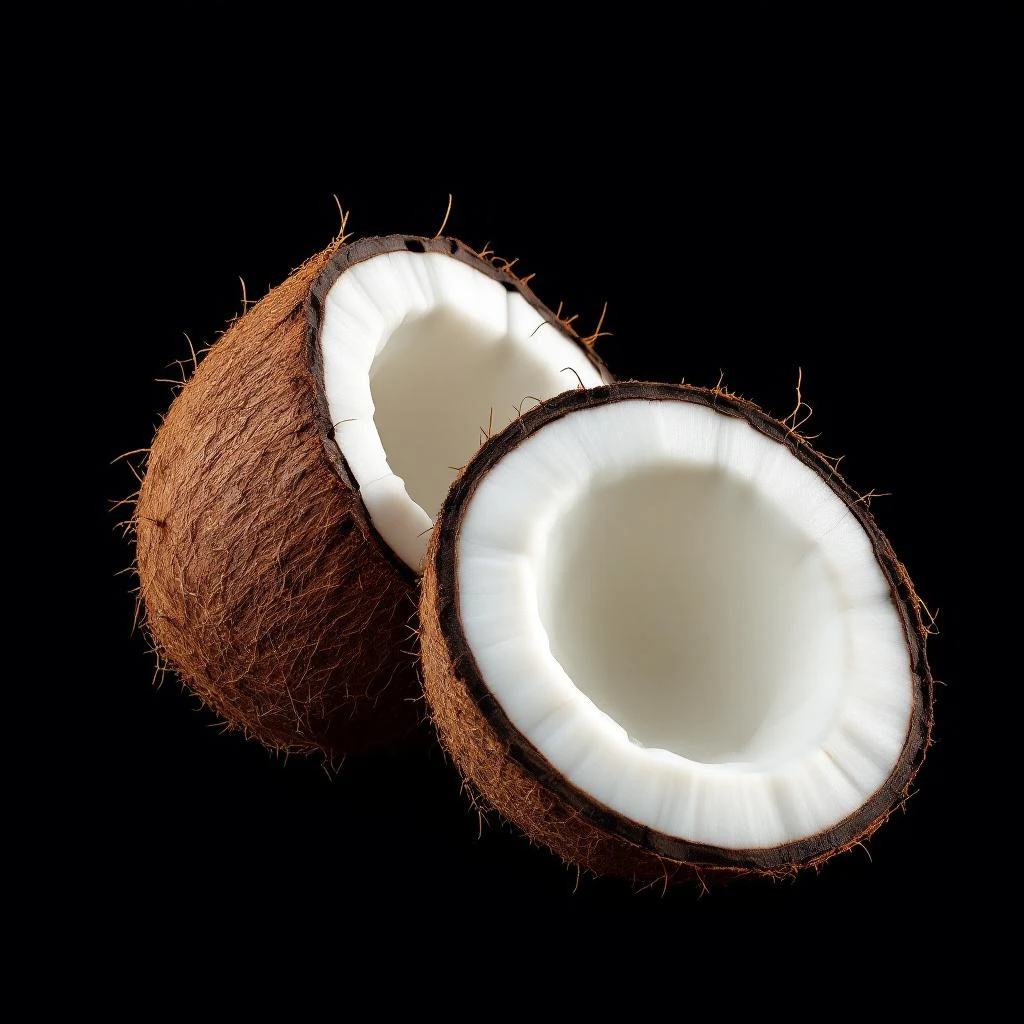
Cherry
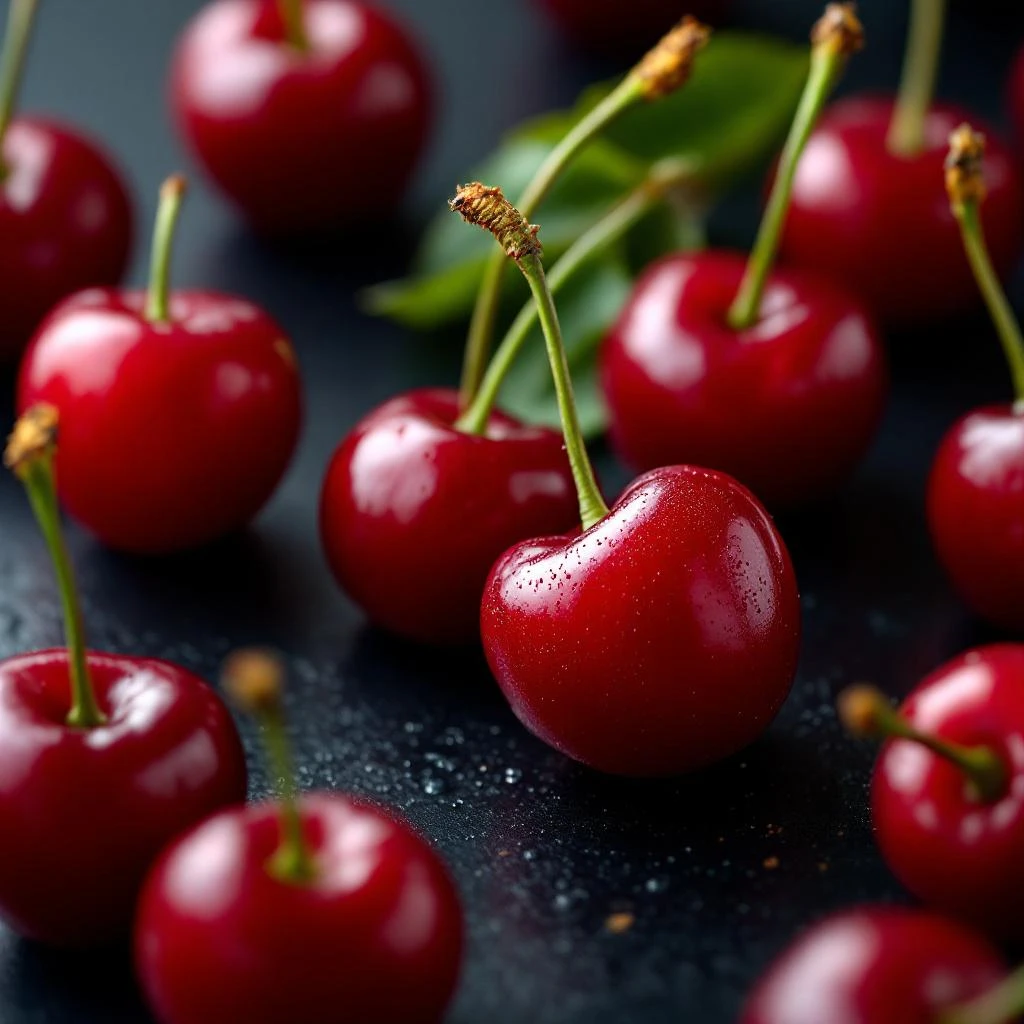
A glossy, sweet-fruited note that bridges gourmand charm and sophisticated bite. Cherry brings depth to compositions with its distinctive balance of sugary pulp, tart skin, and subtle woody undertones.
Character
How it smells
Sweet depth with a tart edge
The marasca cherry used in classical perfumery contains over 300 volatile compounds, far more than most common fruits used in fragrance.







Origin
Turkey
Cherries feature in recorded history as early as 300 BCE, when the Greek botanist Theophrastus documented cultivated varieties in his Enquiry into Plants. The fruit's association with luxury fragrance crystallized in 18th-century Europe, when maraschino liqueur production in Dalmatia generated abundant cherry stone byproducts that distillers began experimenting with.
By the 1800s, cherry blossom had become a celebrated motif in Japanese culture, symbolizing the transient nature of beauty and inspiring artistic traditions that would later influence Western perfumery. The modern perfume industry, born in Paris between 1889 and 1921 with the rise of synthetic ingredients, transformed cherry from an exotic rarity into a reproducible note.
Louise Turner's groundbreaking 1992 formula demonstrated how synthetic cherry accords could anchor entire compositions, proving that clever molecular reconstruction rivaled natural extracts. Today, cherry spans from playful gourmand confections to refined chypre bases, carrying centuries of cultural symbolism into every bottle.
Wears it best
Fragrances featuring Cherry
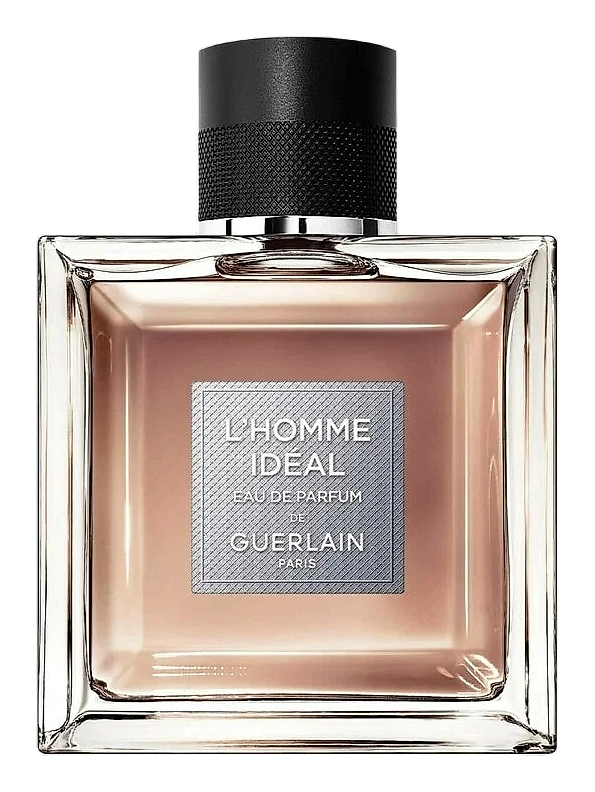
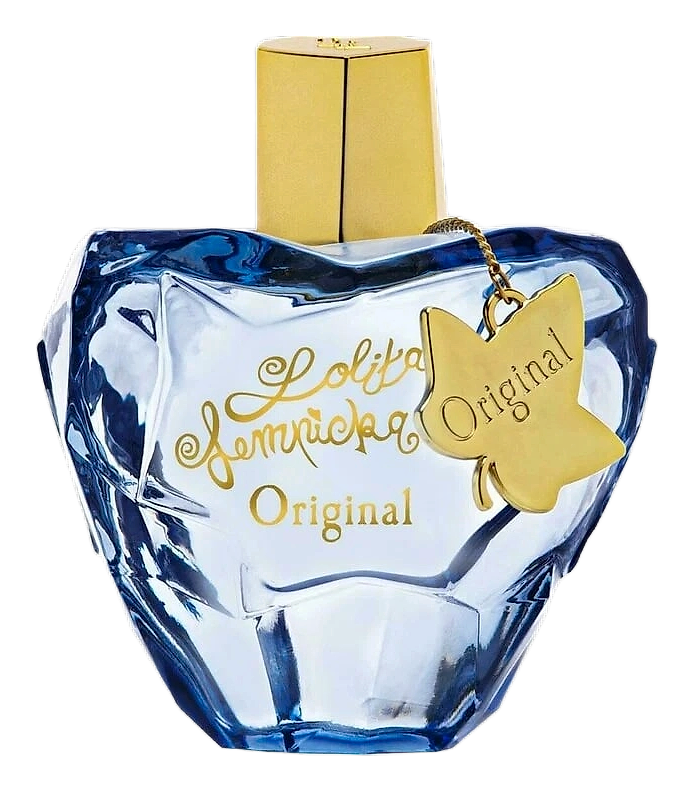
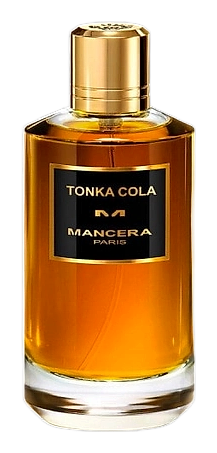
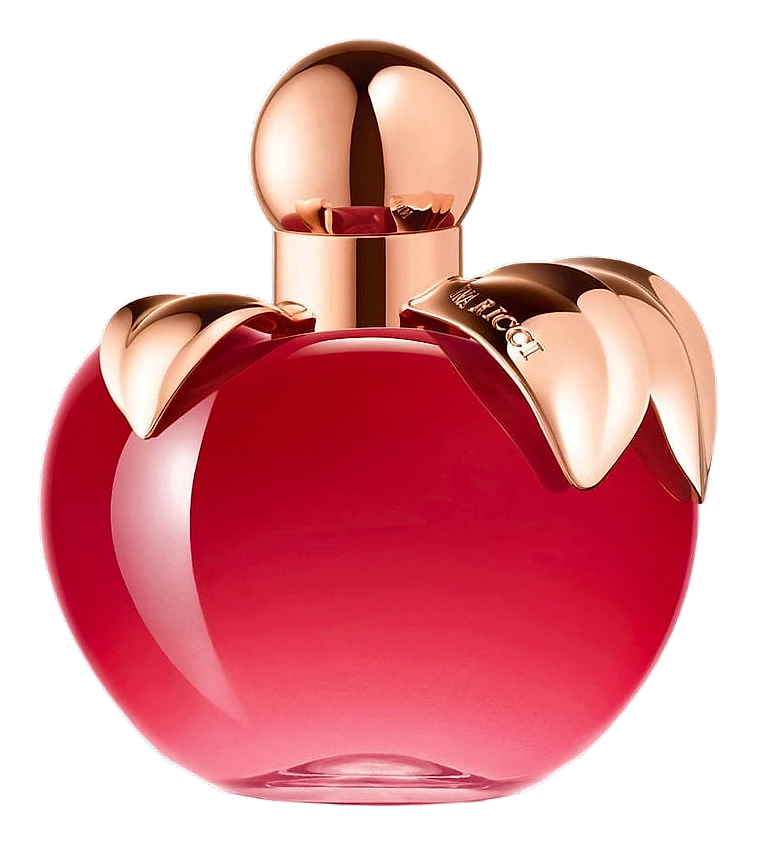
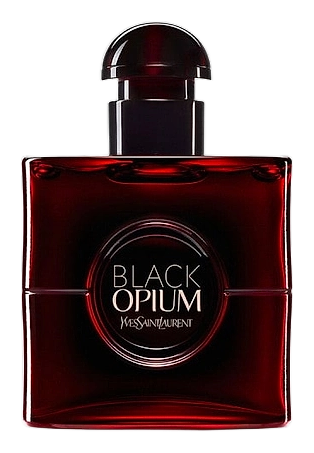

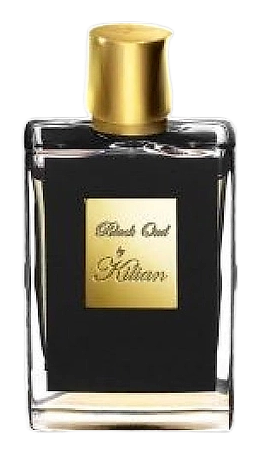


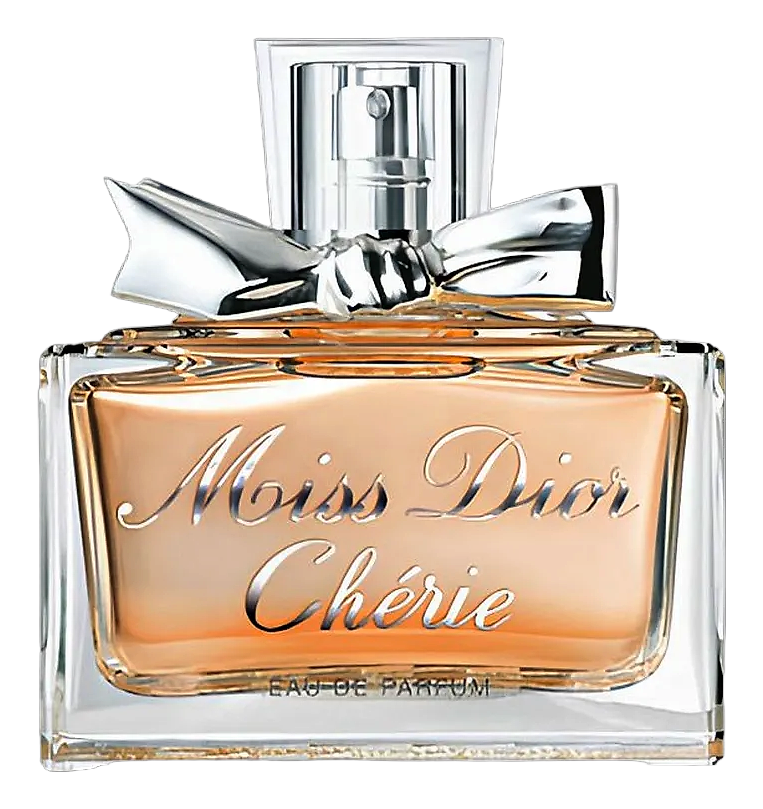
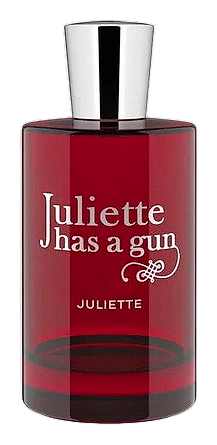
Brands
Brands known for Cherry
Good to know
Questions, answered
The essentials on Cherry in perfumery: how it smells, where it comes from, and how it behaves on skin.
What does cherry smell like in perfume?
Cherry in fragrance smells sweet, jammy, and slightly tart, with a distinctive bitter-almond nuance from the stone fruit pit. The note often reads as candied or liqueur-like, depending on how the perfumer balances benzaldehyde with supporting fruity esters.
Is cherry a top, middle, or base note?
Cherry typically functions as a middle to top note. Its bright, volatile character lifts compositions early in the dry-down, though darker black cherry reconstructions can anchor heart positions with deeper, syrupy facets.
Is natural cherry used in perfumery?
Natural cherry essence exists but perfumers rarely use it. Extraction yields are poor, and the oil lacks the confectionary richness consumers expect. Most commercial cherry notes rely on synthetic reconstruction using benzaldehyde and complementary aroma chemicals.
What is the difference between maraschino and black cherry in perfume?
Maraschino cherry offers a bright, slightly bitter, almond-edged profile reminiscent of the Dalmatian liqueur. Black cherry leans darker, sweeter, and more liqueur-like, often evoking kirsch with jammy depth and reduced sharpness.
Does cherry blossom smell like the fruit?
No. Cherry blossom carries a delicate, almond-floral character quite distinct from ripe fruit. The blossom note contains coumarin and benzaldehyde derivatives, producing a soft, powdery impression rather than sugary sweetness.
Which famous perfumes feature cherry prominently?
Louise Turner's 1992 composition established cherry as a star note in mainstream perfumery. Since then, cherry has anchored gourmand flankers, chypre compositions, and oriental bases across hundreds of commercial releases.
Is cherry perfume suitable for all genders?
Cherry has no inherent gender association. Its perception shifts with context: paired with woods and spices it reads as bold and unisex, while blended with vanilla or florals it leans traditionally feminine, though these conventions are cultural, not chemical.
How long does the cherry note last on skin?
Cherry notes typically persist 2 to 4 hours depending on concentration and supporting ingredients. Heavier base notes like benzaldehyde can linger longer, but the bright, fruity top facets fade relatively quickly compared to woods or resins.