Balsam (Peru)
From the wounded bark of Myroxylon pereirae, Peru Balsam yields a warm, honeyed resin with vanilla and smoky depth. Discover how traditional harvesting creates one of perfumery's most cherished fixatives.
Character
How it smells
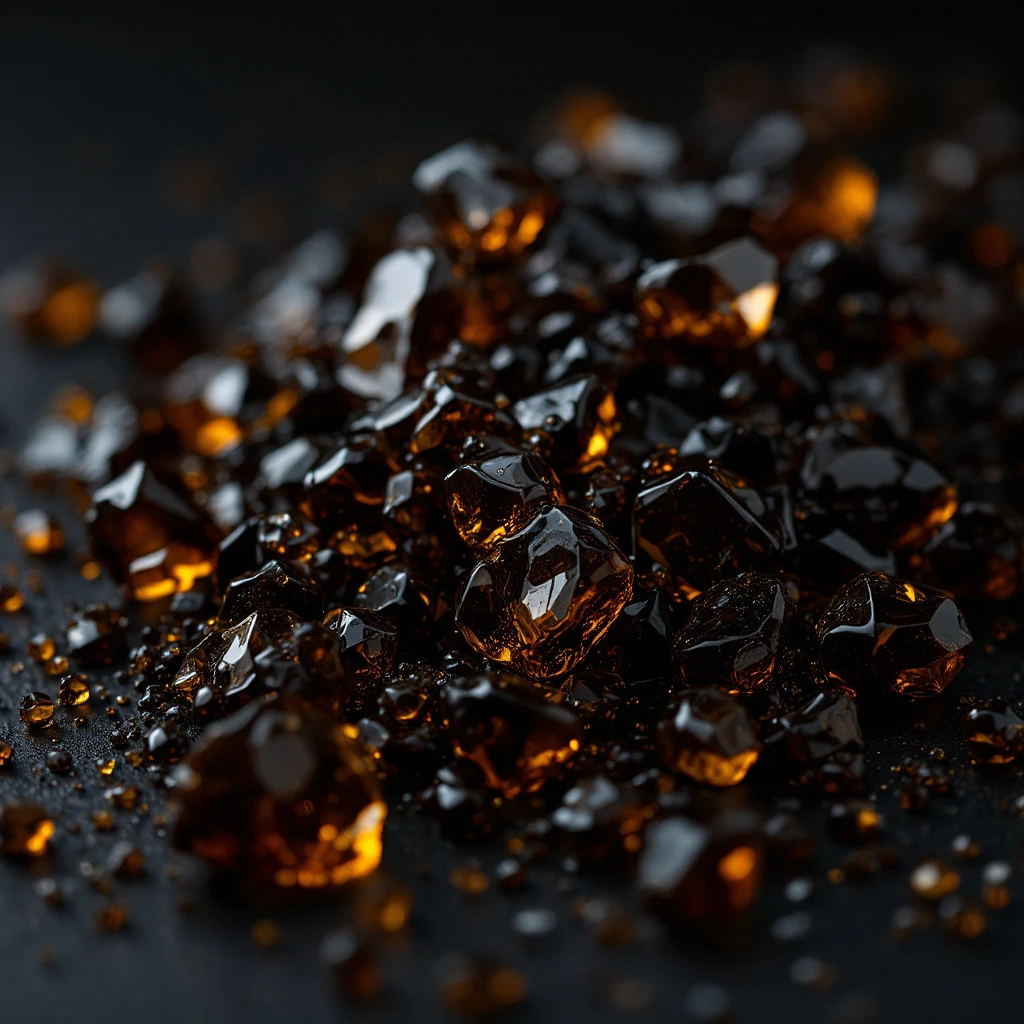
Warm, honeyed resin with vanilla and smoky depth.
Before synthetic fixatives existed, perfumers relied entirely on natural resins like Peru Balsam to make fragrances last on skin.







Origin
El Salvador
Indigenous peoples of Central America first discovered this aromatic resin and used it in ceremonial and medicinal applications. Spanish colonizers encountered it during the colonial era and established it as a prized export, shipping it through the port of Callao in Peru which gave the material its enduring name. The trade route created a geographical misnomer that persists today, even though modern production centers on El Salvador and Nicaragua.
European perfumers adopted it widely during the eighteenth century, valuing its warm, balsamic character and its ability to marry disparate fragrance materials. The fragrance industry shifted to standardized extracts and distillates after 1995, reflecting advances in both safety testing and material consistency.
Wears it best
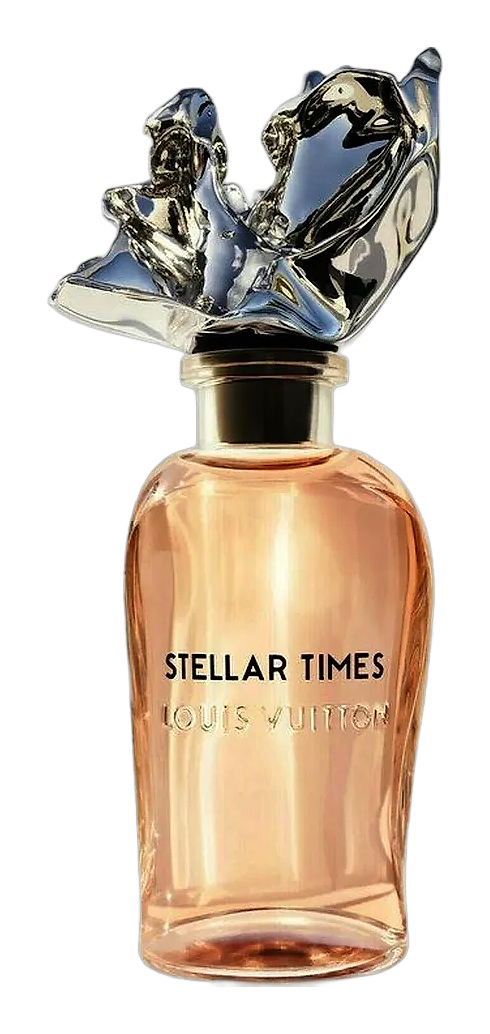
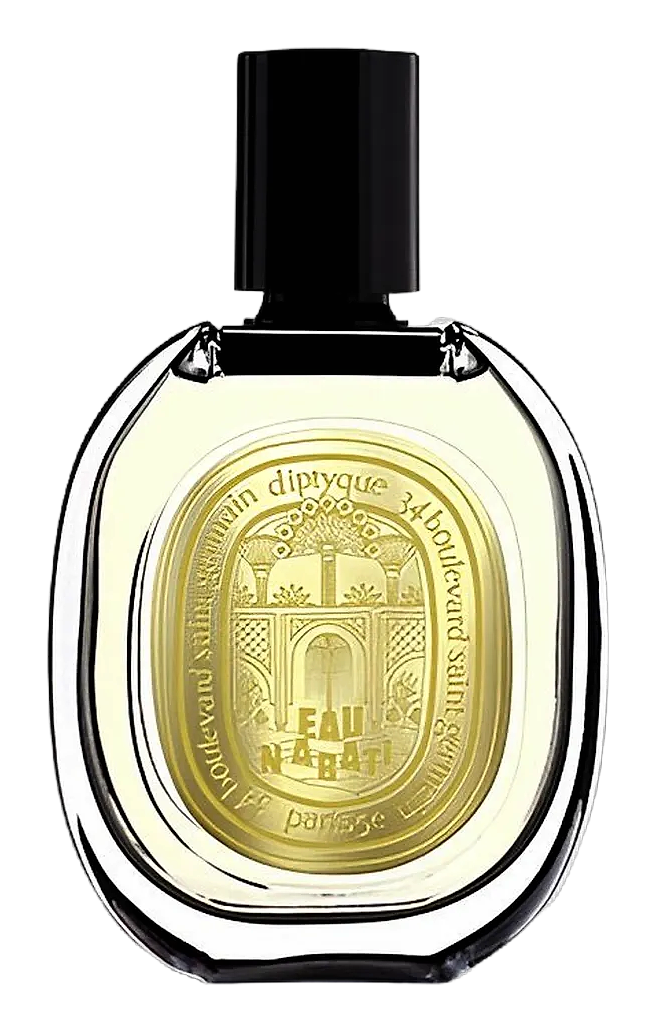
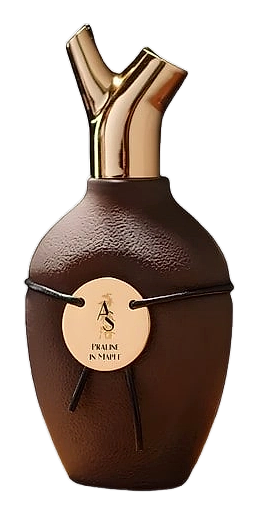
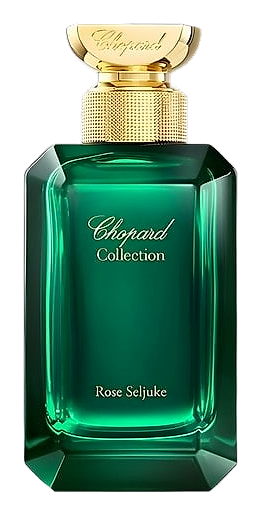
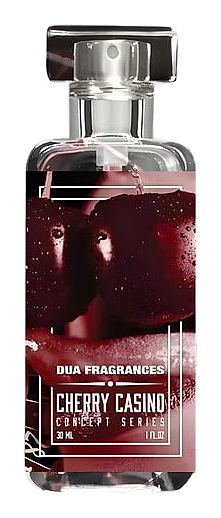
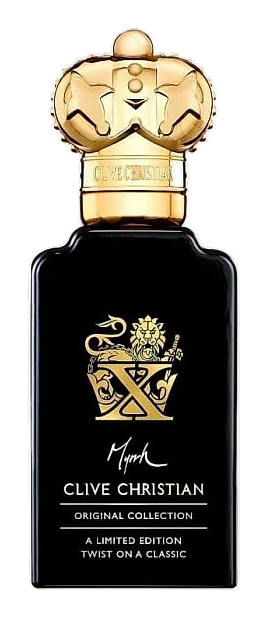
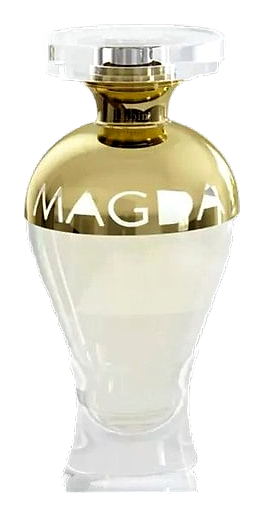
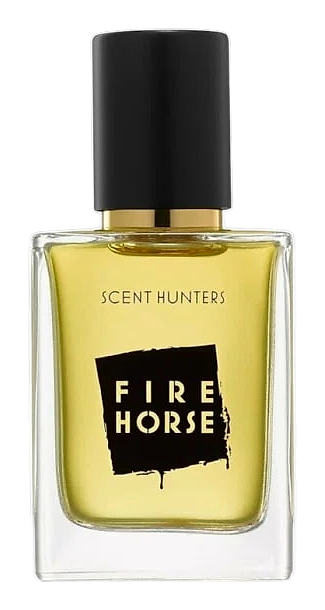
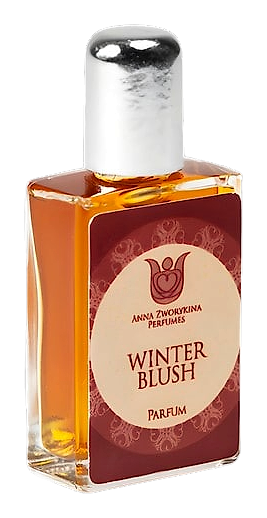
Fragrances featuring Balsam (Peru)

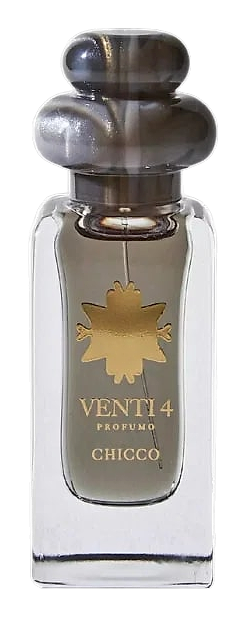
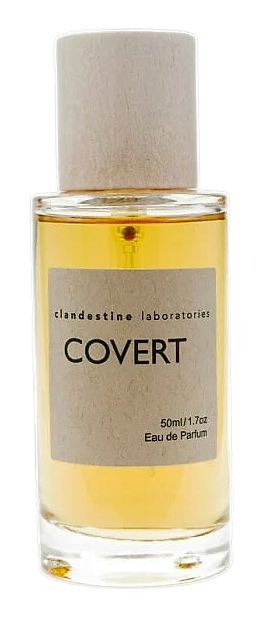
Brands
Brands known for Balsam (Peru)
Good to know
Questions, answered
The essentials on Balsam (Peru) in perfumery: how it smells, where it comes from, and how it behaves on skin.
What does Peru Balsam smell like?
Peru Balsam has a warm, sweet aroma reminiscent of honey and vanilla with undertones of resin and mild smokiness. Perfumers value it as a fixative that adds depth and roundness to fragrance compositions rather than dominating as a top note.
Where does Peru Balsam come from?
Peru Balsam originates from Myroxylon pereirae trees growing in the mountainous regions of El Salvador and Nicaragua. Despite its name suggesting Peruvian origins, El Salvador remains the primary source of genuine Peru Balsam today.
How do harvesters collect Peru Balsam?
Harvesters wound Myroxylon pereirae trees with deep cuts in the bark, then wrap the wounds in cloth. The tree secretes oleoresin into the fabric over approximately six weeks before workers collect and process the saturated material.
Why do perfumers use Peru Balsam?
Peru Balsam serves as a fixative in fragrance formulations. The resinous material slows evaporation of more volatile scent compounds, helping perfumes remain detectable on skin for longer periods.
What is the difference between Peru Balsam and Balsam of Tolu?
These two resins come from related but distinct Myroxylon species. Peru Balsam derives from Myroxylon pereirae in Central America, while Balsam of Tolu comes from Myroxylon balsamum in South America, primarily Brazil and Venezuela.
Is Peru Balsam safe to use in skin care?
The fragrance industry has used Peru Balsam extracts and distillates since 1995 under established safety guidelines. Standard patch testing identifies sensitivities in some individuals, which is why professional formulation practices exist.
What family of fragrance notes does Peru Balsam belong to?
Peru Balsam belongs to the balsamic and resinous family of fragrance materials. It shares this category with materials like benzoin, storax, and labdanum that share warm, sweet, and slightly vanillic characteristics.
Can Peru Balsam be found in natural perfumery?
Yes, natural perfumers source the oleoresin directly from harvesters in El Salvador and Nicaragua. The traditional extraction process yields a pourable resin that behaves predictably in oil-based and alcohol-based fragrance preparations.