
The Story
Why it exists.
The beginning
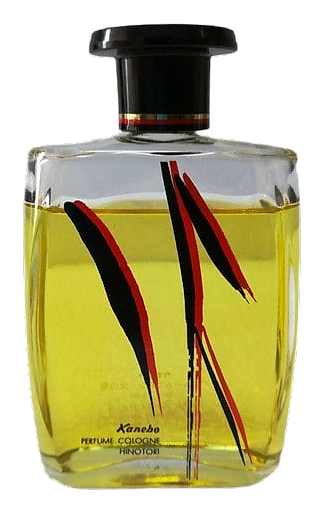
Hinotori landed in 1969, the year Japan was remaking itself in real time, and Kanebo answered with a scent named for a myth of transformation. The title translates roughly as firebird, and the reference was Stravinsky's ballet suite of the same name, a story of a creature caught between worlds. The fragrance borrows that tension. Aldehydes, strawberry, peach, and bergamot play the bright opening that Japanese perfumery of the late sixties handled with surprising restraint. Nothing about Hinotori announces itself from across a room. It works on you slowly, the way the best things from that era did, before the industry decided louder meant better.
The composition is built like a well-cut kimono. The aldehyde top doesn't sparkle the way French aldehydes often do. It's tempered, quieted, filtered through iris and lily of the valley before it reaches the bouquet. Strawberry and peach are present, but they sit underneath the florals instead of competing with them. Ylang-ylang brings the tropical warmth, rose rounds the edges, and jasmine gives the lift. This is a white floral heart that knows how to behave. The sandalwood base, sourced through Japanese supply chains that prized Mysore-grade material, gives the drydown its creamy backbone. Tonka bean and vanilla sweeten the closing without tipping into gourmand territory.
The evolution
The first 30 minutes are all aldehyde shimmer, the bright fizzy kind that vintage lovers chase. Strawberry and peach surface around the 20-minute mark, but they behave more like suggestions than statements. By the 45-minute mark the florals take over, and this is where Hinotori does its quiet magic. Iris leads, powdered and a little melancholy, while lily of the valley brings the green edge. Ylang and jasmine warm the middle without pushing it into tropical territory. The sandalwood starts arriving around the two-hour mark, and it's the real anchor. The vanilla and tonka follow it in, and the musk underneath keeps everything from going too sweet. After four hours the scent sits close to the skin, a soft floral-amber that still reads on a sweater the next morning. This is one of those rare 1969 aldehyde florals that ages well on skin rather than turning soapy, and the creaminess in the base is what carries it.
Cultural impact
Hinotori belongs to a quieter chapter of Japanese perfumery, the late-sixties stretch when Kanebo was building out its western-leaning floral catalogue before the heavier aldehydes went out of style. Wearers tend to describe it as the scent of someone who moves carefully, not someone trying to be noticed. It sits beside other 1969 releases from the Japanese houses, but its strawberry-aldehyde opening is its own thing. Vintage bottles surface in collector circles, and the ones who track it down tend to hold on to it.