The Story
Why it exists.
The beginning
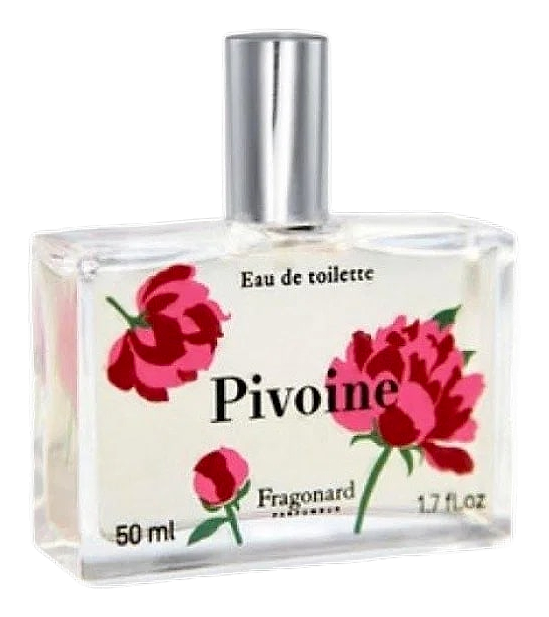
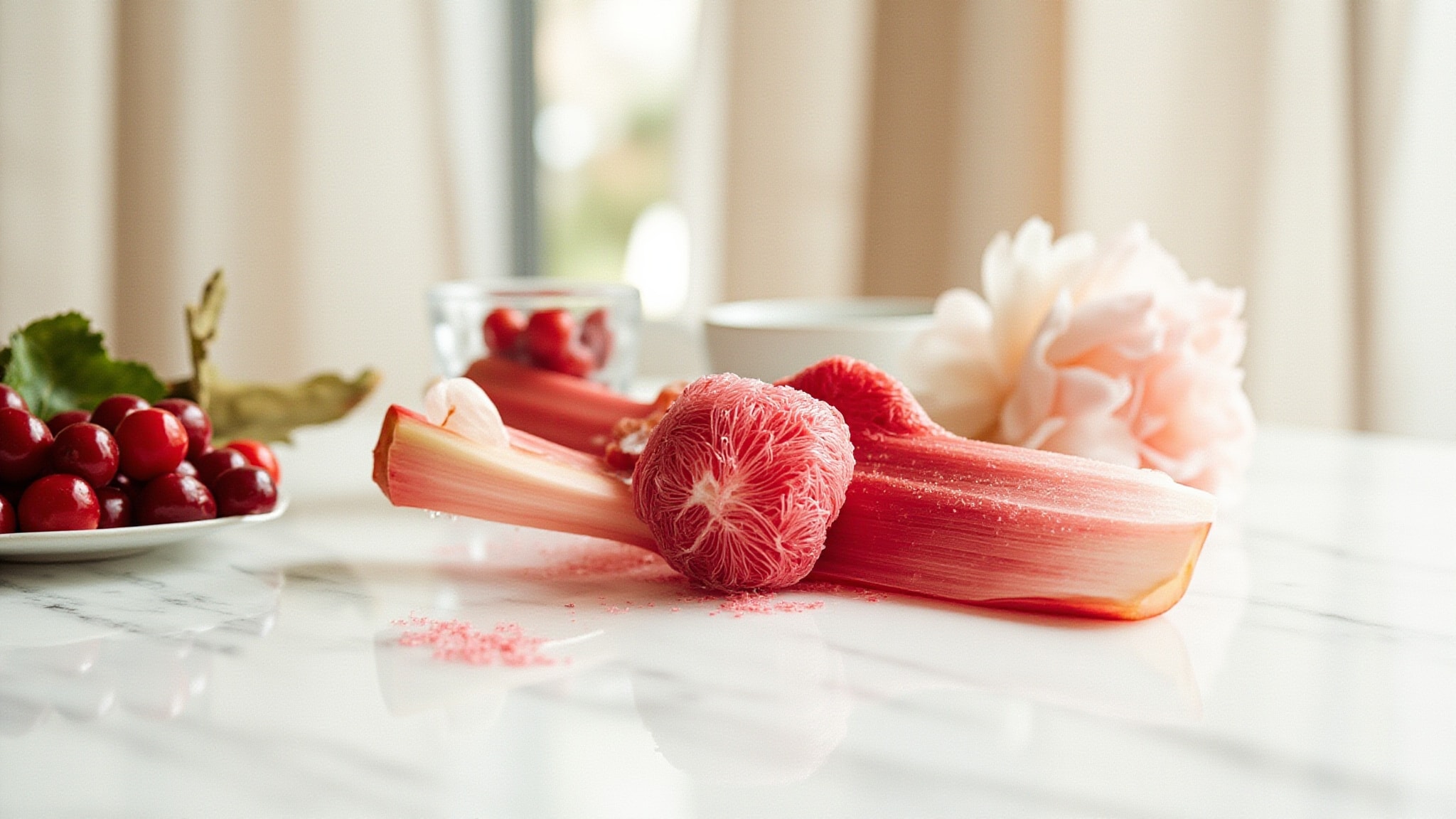
Pivoine by Fragonard takes its name from the French word for peony, the flower that opens wide and refuses to be subtle about it. The composition leans fully into that confidence. Rhubarb and red currant arrive first, tart enough to cut through a warm room and bright enough to register before the florals even begin to wake up. The fruit is not a whisper at the top of the fragrance but a proper introduction, acidic and slightly green, the kind of opening that makes you lean in. Then the peony takes the center, generous and powdery, blooming across the skin with the full-bodied lushness the flower shows in a garden. There is no shyness here, no restraint.
What gives Pivoine its particular shape is how the opening frames the florals before they arrive. Mock orange and red currant build a tart, almost sour edge that makes the peony land with more contrast than it would on its own. The green sharpness at the top acts as a foil, sharpening the powdery sweetness of the peony rather than letting it sit in soft focus. Mimosa and jasmine in the heart add a warm, honeyed sweetness that rounds out the bouquet without letting it dissolve into something indistinct.
The evolution
The first ten minutes belong entirely to the rhubarb. Tart, almost vegetal, with a green sourness that makes the red currant read like crushed berries rather than candy. It is a loud opening, unapologetic, and it fades faster than you expect. By the twenty-minute mark the peony has taken the wheel. Mimosa powder softens the edges, and a clean jasmine threads through without ever becoming indolic. The composition settles into something creamy and slightly dusty. The amber is dry rather than resinous, more about warmth than sweetness, and the iris gives the drydown a cool, almost suede-like texture. Two hours in, it sits close to the skin. By hour three, you are catching it only when you move, a faint trail of musk and the ghost of peony. By hour four it is a memory more than a presence. Moderate sillage means it never announces you, but someone standing close will notice. The next morning, the bottle on the vanity smells louder than what survived on your wrist.
Cultural impact
Pivoine captures something specific about the peony as a flower and as a cultural symbol. In French gardens and across European floristry, the peony is associated with late spring abundance, the moment when borders overflow and cut flowers fill kitchens and market stalls. Wearing Pivoine is, in a sense, wearing that moment. The fragrance reads as fresh, generous, and unapologetically pretty, the scent equivalent of a white cotton blouse, easy, flattering, and unfussy. It does not ask to be decoded or analyzed the way heavier, more resinous compositions sometimes do.