The Story
Why it exists.
The beginning
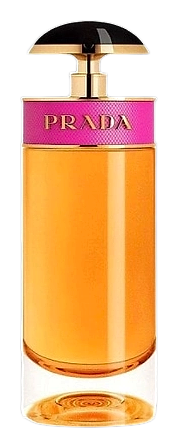
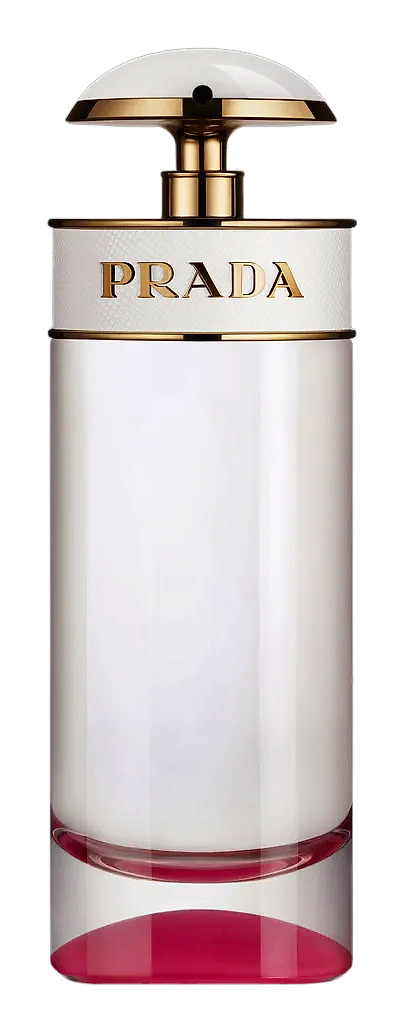
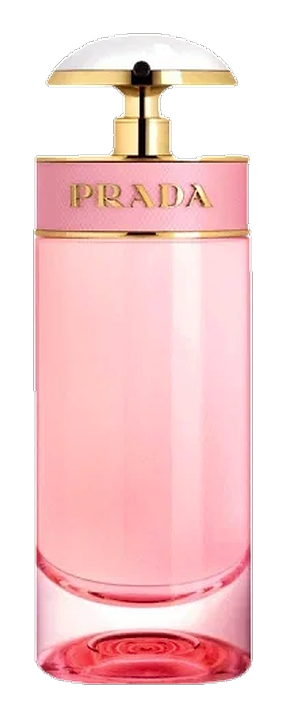
The Prada Candy collection began in 2011 with a question: what if sweetness had intelligence? The original Candy answered with caramel and musk. Candy L'Eau added a citrus twist in 2013. Candy Florale arrived in 2014 as the third movement, and the most conceptual. Daniela Andrier, who had shaped the entire trilogy, wasn't interested in another literal floral. Instead, Prada requested an imaginary flower. One that smells like candy. One that exists only in this bottle.
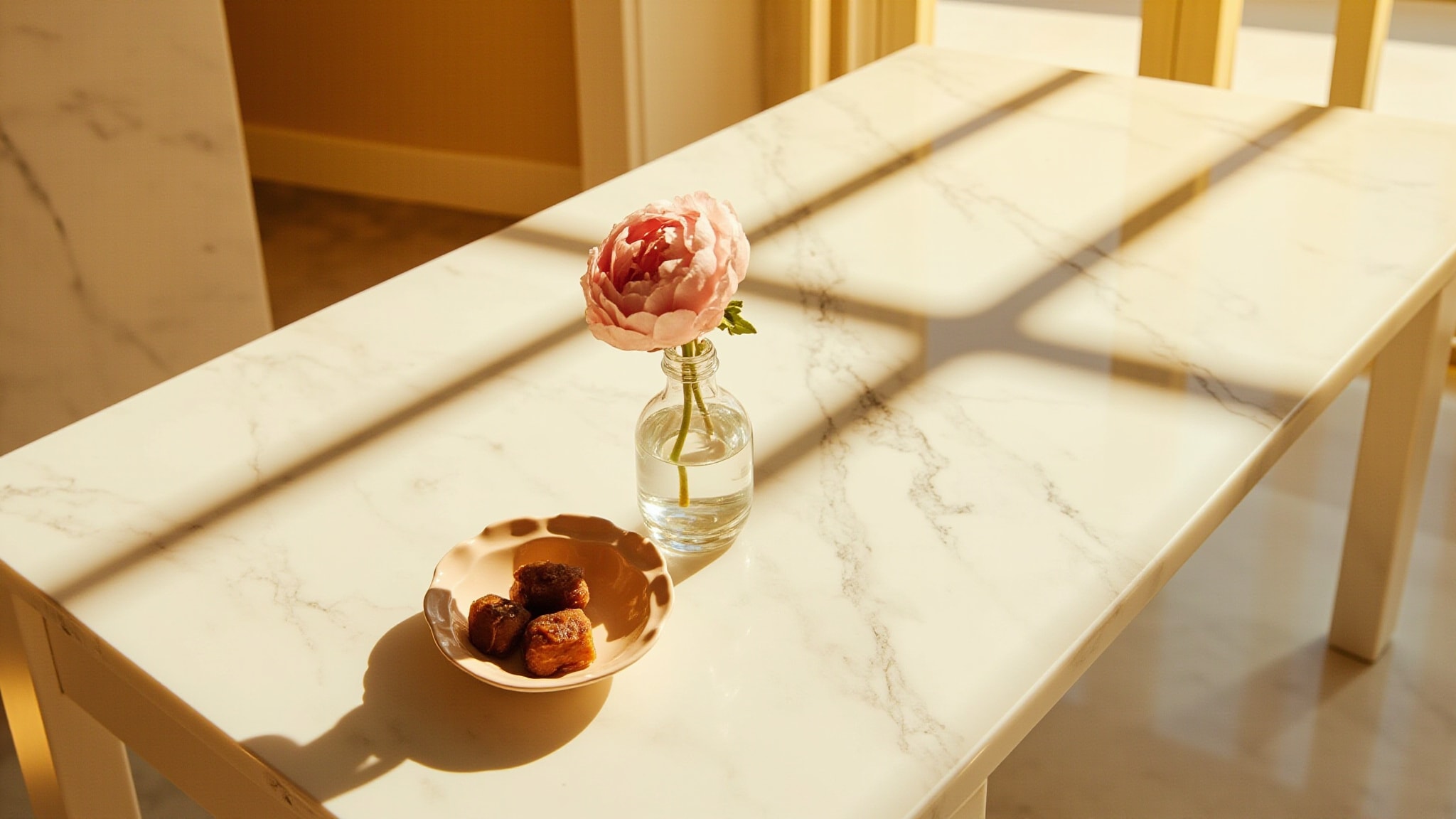
The concept of an imaginary flower is deeply Prada. Not a garden rose or a field of lavender, something invented specifically for this fragrance, built to smell like the most appealing parts of a candy shop without any of the actual sweetness. Limoncello sorbet was the answer: Italian, bright, almost effervescent. Peony brought the powdery softness. Honey and caramel became the warmth underneath. Four materials doing precise work. That's the Prada approach, minimalism that thinks, not performs.
The evolution
The opening is the whole story in miniature. Limoncello sorbet hits sharp, citrus without the usual sharpness, something almost effervescent about it. Twenty minutes in, the peony arrives. Soft. Powdery. Like flowers pressed between the pages of a book you've been meaning to finish. The hand-off is smooth: no gap, no competition. Just one phase yielding to the next. The drydown is where Candy Florale earns its name. Honey and caramel settle into the skin, warm and close. Musk keeps it intimate, present but not projecting. Benzoin adds a whisper of resin that stops the sweetness from cloying. On most skin, the full arc runs 4-6 hours. The honey lingers longest. The next morning, there's a ghost of caramel on fabric. Not loud. Just there.
Cultural impact
Candy Florale landed in 2014 as the third movement in Prada's Candy trilogy, each one a different answer to the same question: what does sweetness smell like when it thinks? The original Candy (2011) and Candy L'Eau (2013) built the foundation. This one elevated it. Wearers describe it as the fragrance for someone who wants femininity without the usual sweetness overload. The Léa Seydoux campaign reinforced the intelligence-first positioning, nothing is literal, nothing is obvious.