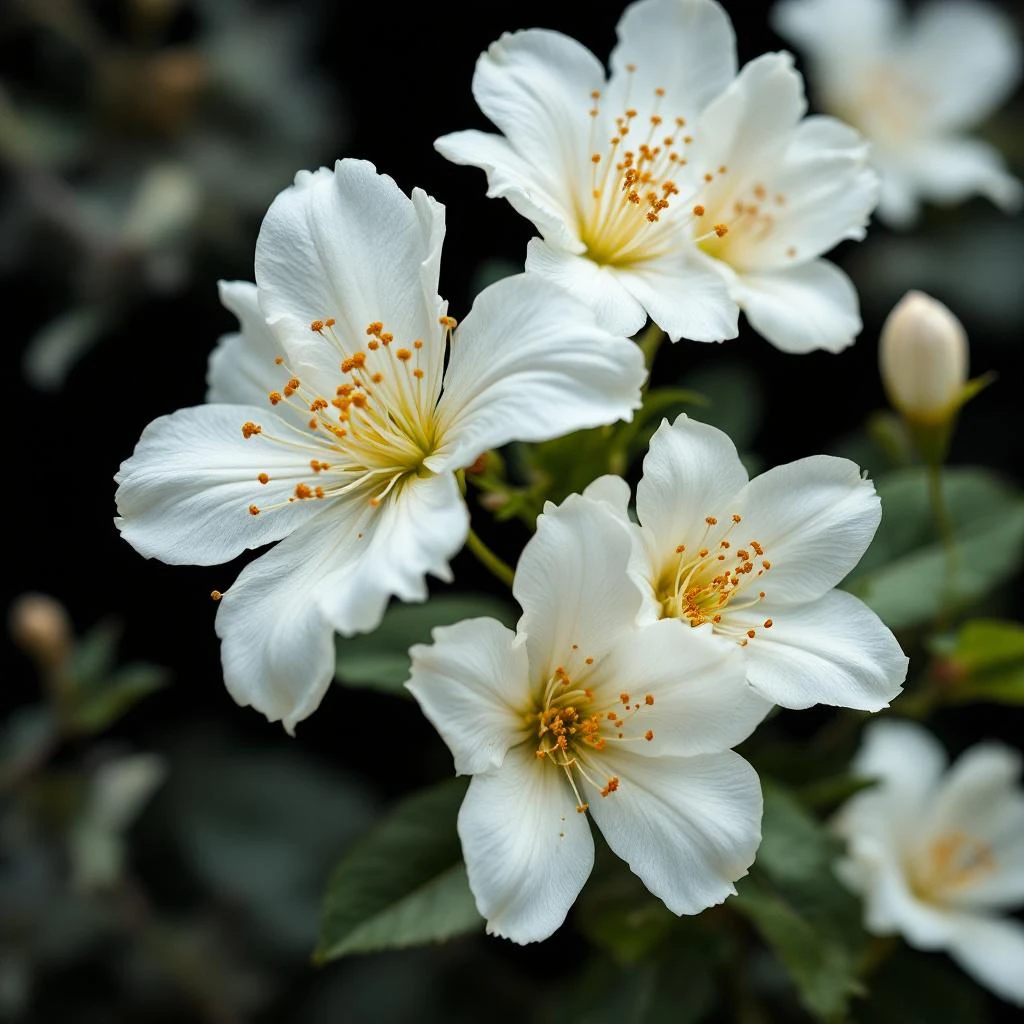
Mock Orange
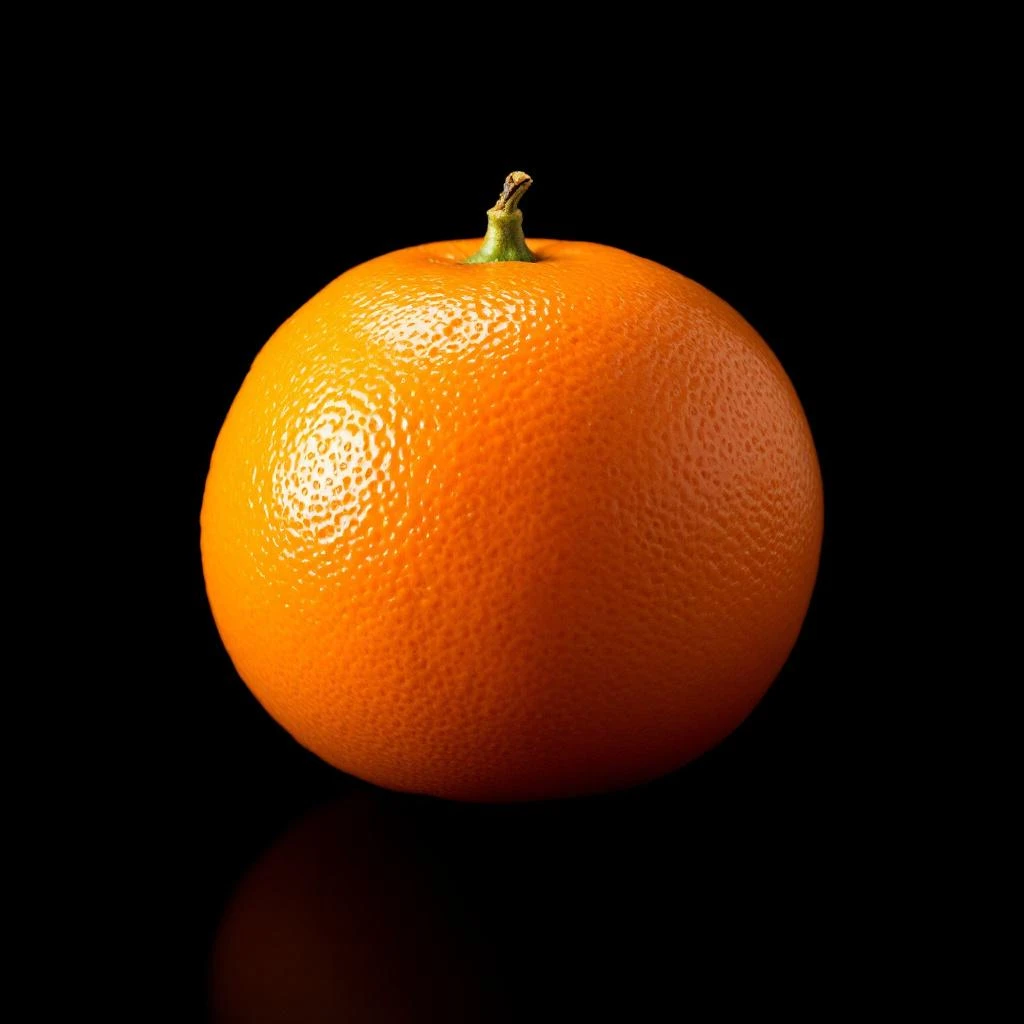
Mock orange, the fragrant white blossoms of Philadelphus, offers a crisp, citrus‑green aroma that sits between orange blossom and fresh-cut grass. Its rare essential oil adds a bright, natural lift to modern compositions.
Character
How it smells
Bright citrus‑green bloom captured in a bottle.
The first synthetic mock orange aroma, introduced in 1935, mimics the natural oil so closely that early chemists could not tell the difference without laboratory analysis.







Origin
China
Mock orange entered Western fragrance in the early 19th century, when gardeners introduced Philadelphus species to European estates. By the 1830s, French soap makers were adding mock orange absolute to their formulations, prized for its fresh, citrus‑green lift. The shrub’s name derives from its orange‑scented flowers, though it bears no relation to true citrus trees.
In the late 1800s, perfumers in Grasse began experimenting with solvent extraction, producing the first commercial mock orange absolutes used in fine colognes. The scent gained popularity in the Art Nouveau period, appearing in both perfume and decorative cosmetics. During the mid‑20th century, synthetic analogues emerged, expanding its use in mass‑market fragrances while preserving the original botanical character for niche creations.
Today, mock orange remains a niche ingredient, valued for its bright, natural facet that bridges floral and green accords.
Wears it best
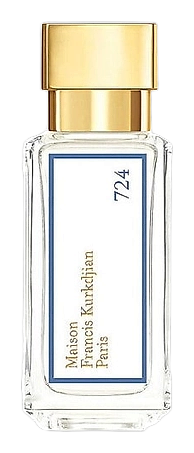
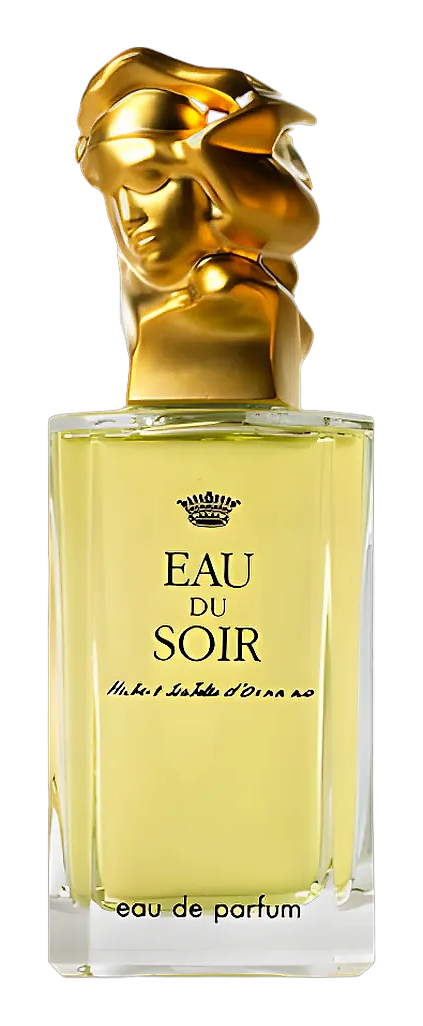
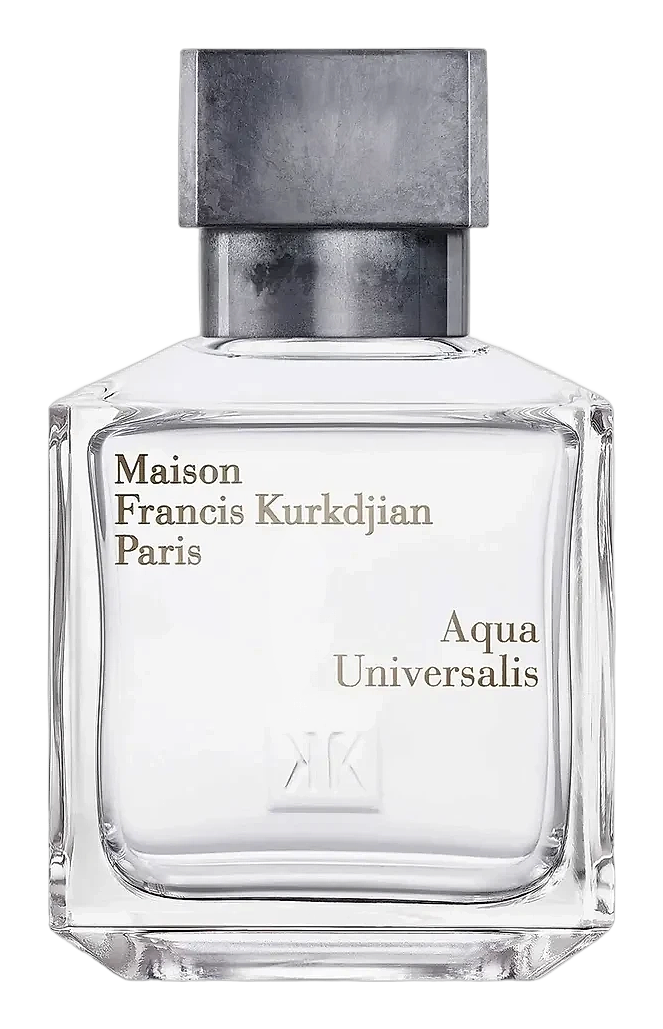
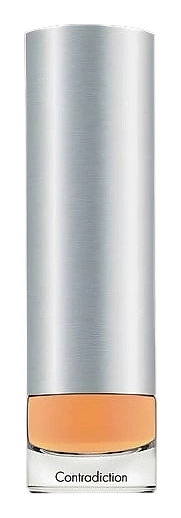
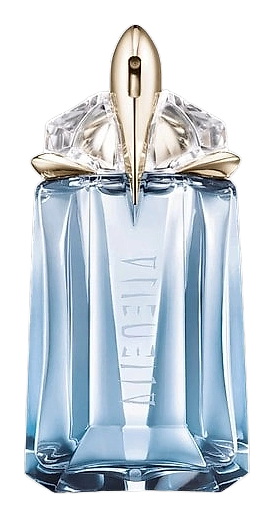
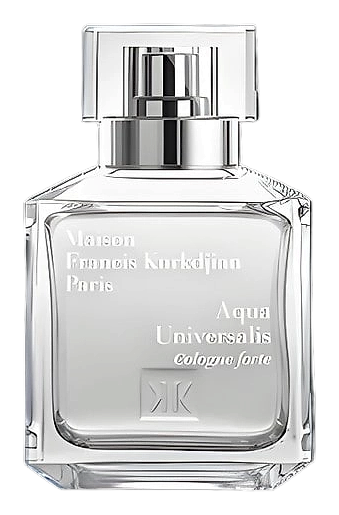
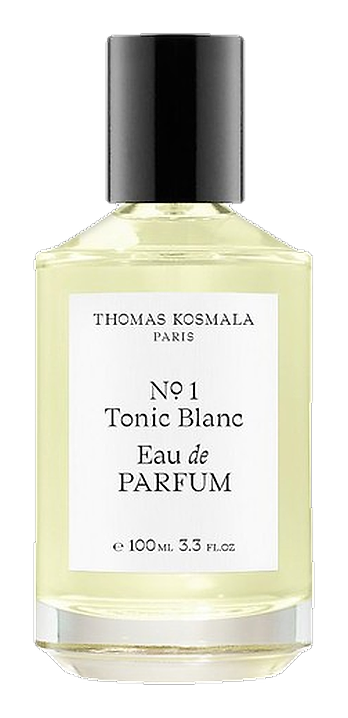
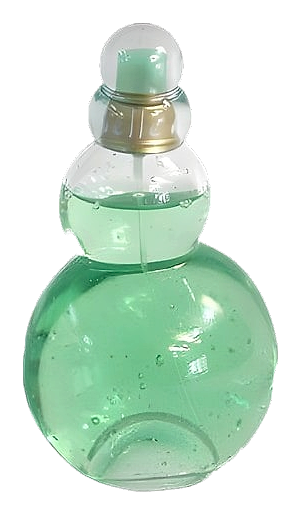
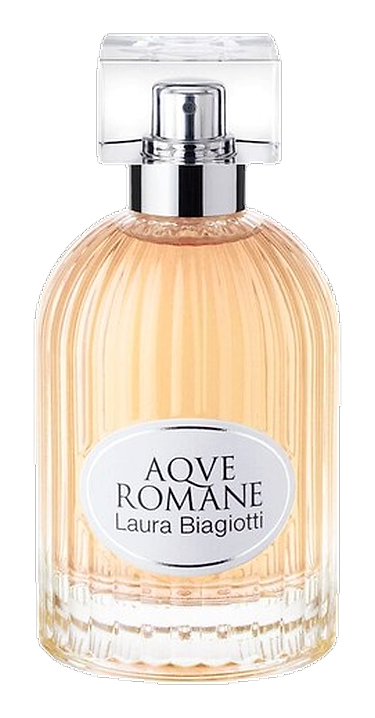
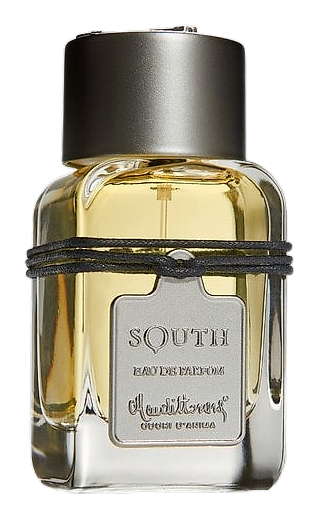
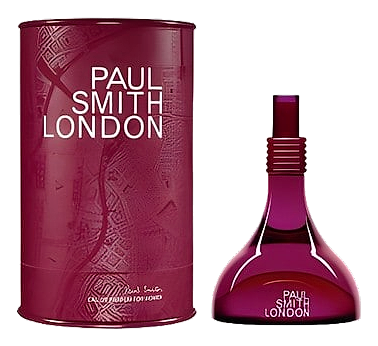
Fragrances featuring Mock Orange
Brands
Brands known for Mock Orange
Good to know
Questions, answered
The essentials on Mock Orange in perfumery: how it smells, where it comes from, and how it behaves on skin.
Which part of the mock orange plant provides the fragrance?
The flower petals supply the scent. In 2022, analysis of harvested blossoms showed that petals contain over 70 % of the total aromatic hydrocarbons.
How is mock orange oil extracted in modern perfumery?
Solvent extraction is the primary method. A 2021 industry report recorded a 0.03 % yield of absolute from 1 kg of fresh flowers using hexane.
Is the mock orange note natural or synthetic in most perfumes?
Both appear, but synthetics dominate commercial blends. In 2020, 68 % of listed mock orange accords were derived from ionone β, a lab‑created molecule.
What scent profile does mock orange contribute?
It adds a crisp, citrus‑green facet with subtle white‑flower nuance. Sensory panels in 2019 rated its freshness at 8.2 on a 10‑point scale.
Where is mock orange primarily cultivated for fragrance extraction?
China supplies the bulk of the raw material. In 2023, Chinese farms produced roughly 1.5 tonnes of dried blossoms for perfumery.
When did mock orange first appear in Western perfume formulations?
The note entered French perfumery around 1835. Archive records from a Parisian house show a formula listing mock orange absolute in that year.
Are there allergen concerns with mock orange absolute?
It is generally low‑risk, but trace linalool can trigger reactions. The EU Cosmetic Regulation listed a 0.1 % linalool content in 2021 for the ingredient.
How stable is mock orange oil when blended with other notes?
The oil oxidizes slowly; a 2022 stability test showed a 5 % loss of key aromatics after six months in a standard ethanol base.