The Story
Why it exists.
The beginning
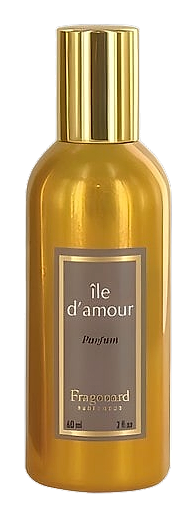
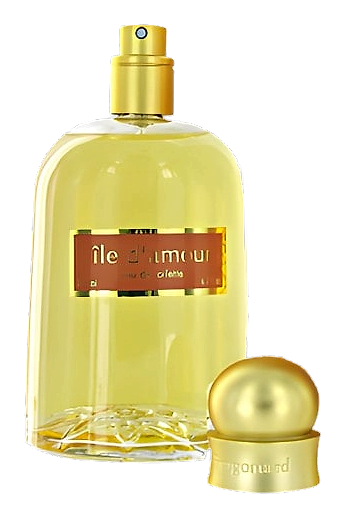
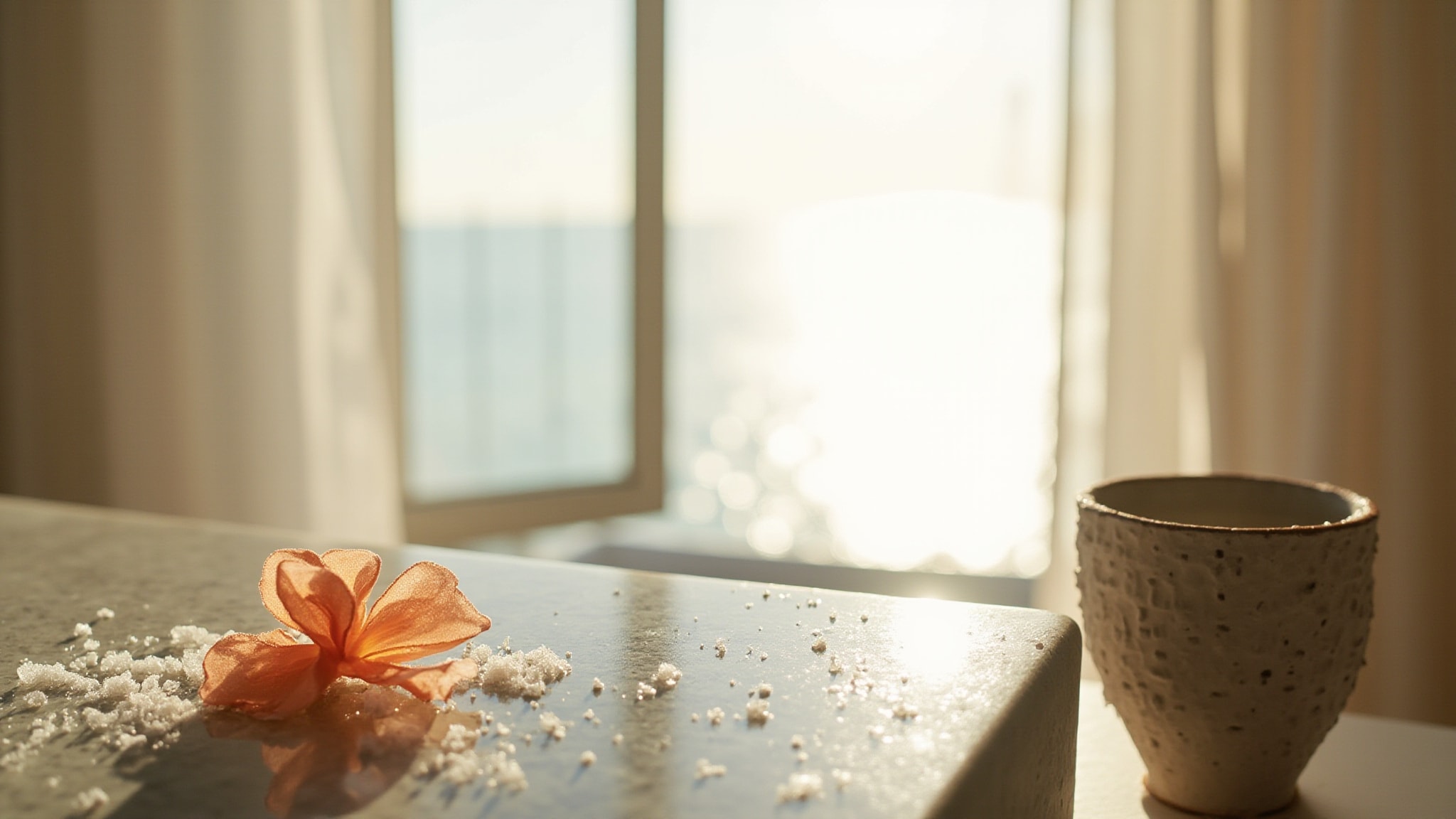
Ile d'Amour translates as Island of Love, and the name does the heavy lifting before you even spray. Fragonard released it in 2005, built around a marine accord most white florals would never let anywhere near their bouquet. The perfumer's gamble was simple: take osmanthus, jasmine, rose, lilac, and lily of the valley, then drag the whole arrangement through something that smells like open water under a bright sky. No heavy resins, no amber walls. Just flowers and the sea, side by side, each pulling the other toward unfamiliar territory. The composition reads like a deliberate provocation, a refusal to let the florals behave the way florals usually do.
The marine note is what gives Ile d'Amour its odd center of gravity. Osmanthus already carries a fleshy, almost apricot-like warmth, and setting it against salt water creates a tension most compositions avoid. The rose is present but not dominant, jasmine brings its usual indolic warmth, and the lilac keeps things slightly powdery at the edges. Amber and musk anchor the base, but lightly, the way a thin layer of sand holds heat without burning. The whole thing smells like it shouldn't work, and then it does.
The evolution
The first ten minutes are the noisiest. That marine accord, technically listed as sea water in some breakdowns, gives the opening a cool, almost metallic lift before any floral shows up. Think shoreline mist at eight in the morning, when the light is still thin and the air tastes of salt and wet stone. Around the 15-minute mark, the white florals begin to surface, osmanthus leading with its apricot-leather warmth, followed by jasmine and a softer rose that never quite overwhelms. The lilac stays in the background, adding a soapy, green-violet hush that keeps the sweetness from tipping into something candied or cloying. The interplay between brine and blossom gives the heart stage a restless, shimmering quality, like light moving across moving water.
Cultural impact
Fragonard's Ile d'Amour was composed in 2005 in Grasse, the historic cradle of French perfumery, and it wears that provenance openly. The composition pairs osmanthus with a roster of white florals, a combination that has become increasingly visible in European perfumery as houses experiment with notes once considered too unusual for mainstream structures. Osmanthus itself brings an unusual texture to the table, a fruit-skin warmth that reads as almost leathery, apricot-adjacent, and faintly animalic, which gives the fragrance its grip.