The Story
Why it exists.
The beginning
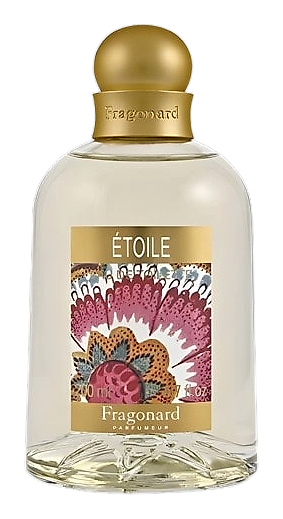
Étoile, star in French, is a 2009 creation by perfumer Sonia Constant for the Grasse house Fragonard. The name is the concept: something bright, clear, that catches light without trying. Constant built it around sparkling citrus and ginger as a foundation, then layered white florals that soften without becoming precious. The result is a fresh, daytime fragrance with an unexpected edge that makes it feel current rather than nostalgic. Fragonard has made its name on compositions that balance Grasse tradition with a certain restraint, and Étoile fits squarely in that lineage, a star that doesn't need to shout.
What makes Étoile interesting is its tension between the green, almost synthetic quality that keeps it structured and the white florals that keep it warm. Gardenia brings a creamy fullness without sweetness. Lily of the valley adds a crispness that cuts through the richness. The base of cedar and musk grounds everything in something powdery and woody. The fragrance doesn't try to be natural or precious, it wears its modern sensibility openly, and that's part of its appeal.
The evolution
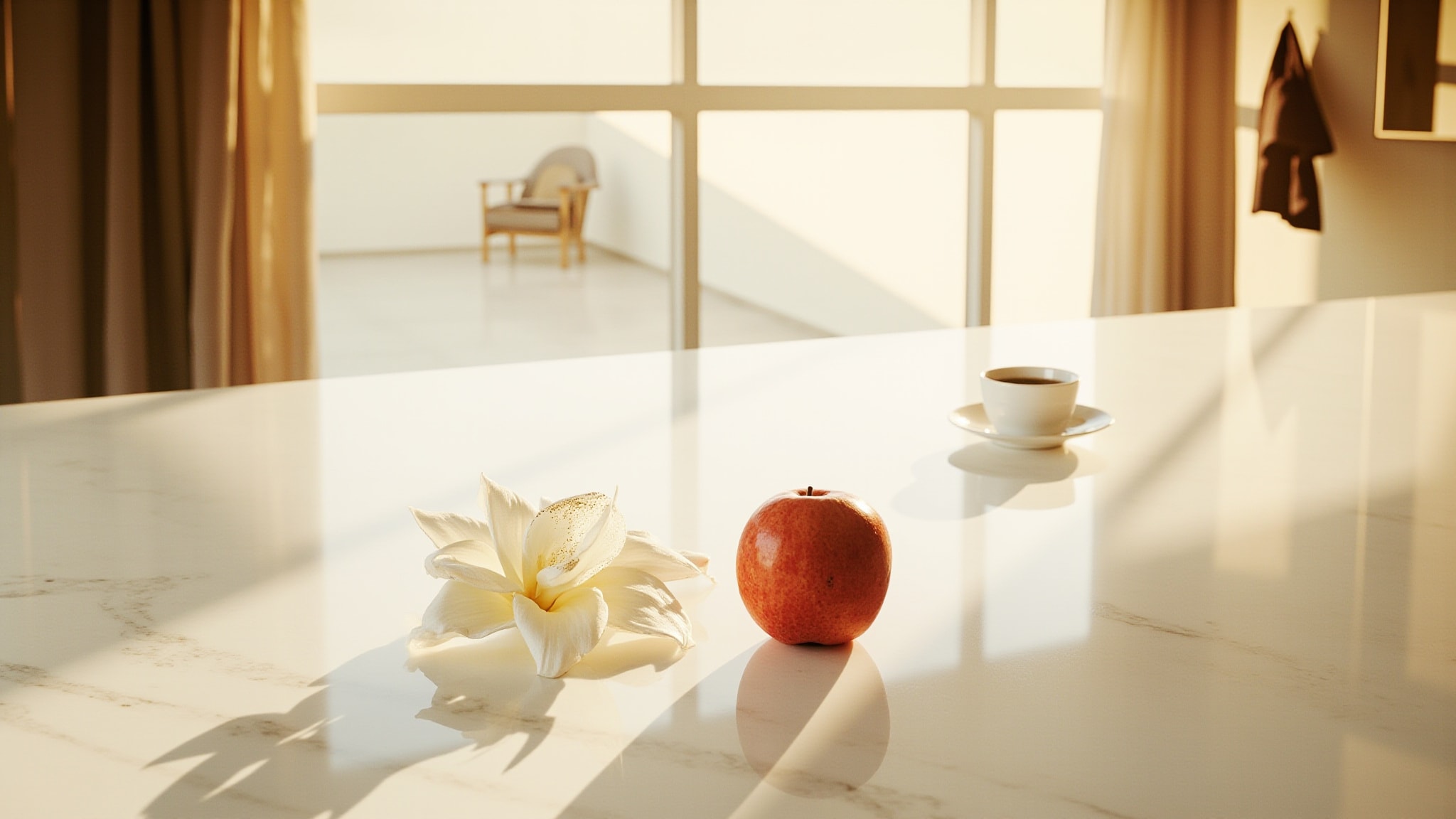
The opening is all sparkle: bergamot, red apple, a quick flash of ginger. The citrus doesn't linger, within minutes the florals take over, gardenia leading, jasmine and lily of the valley threading through in a soft procession. There's a green undertone throughout, synthetic but not harsh, keeping the florals from going too sweet. The drydown arrives around the two-hour mark: cedar and musk wrapping around what remains of the florals, amber adding warmth without weight. Six to eight hours later, on skin that holds scent, there's a quiet powdery trace left, the memory of something fresh, not a ghost of the original composition.
Cultural impact
Étoile occupies a particular space in the French floral category, neither vintage nor aggressively modern. Wearers describe it as a reliable daily fragrance, the kind that becomes a signature rather than a statement. The synthetic-green note that appears in some reviews is part of its character, not a flaw; it keeps the composition grounded and contemporary.