The Story
Why it exists.
The beginning
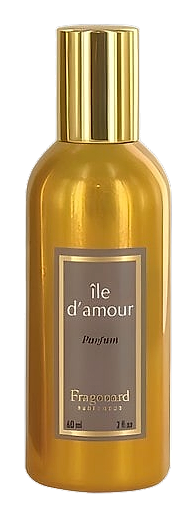
Île d'Amour takes its name from the operetta "Frau Luna", where lovers dream of an island of love, beautiful and untroubled. Fragonard's perfumers translated that idea into scent: a place where flowers don't compete, where restraint is the point. The name carries something old and romantic, a reference to theater rather than tourism, to longing rather than arrival.
What makes Île d'Amour unusual is the osmanthus. In Grasse, the flower has a specific character, apricot and peach, yes, but with a green, almost tea-like edge that most markets don't capture. Four white florals in the heart (lily of the valley, jasmine, rose, lilac) could easily become cluttered. The osmanthus doesn't just lead, it organizes. Gives the others somewhere to belong. The amber and musk base does something similar for the whole composition: acts as a quiet container rather than a stage.
The evolution
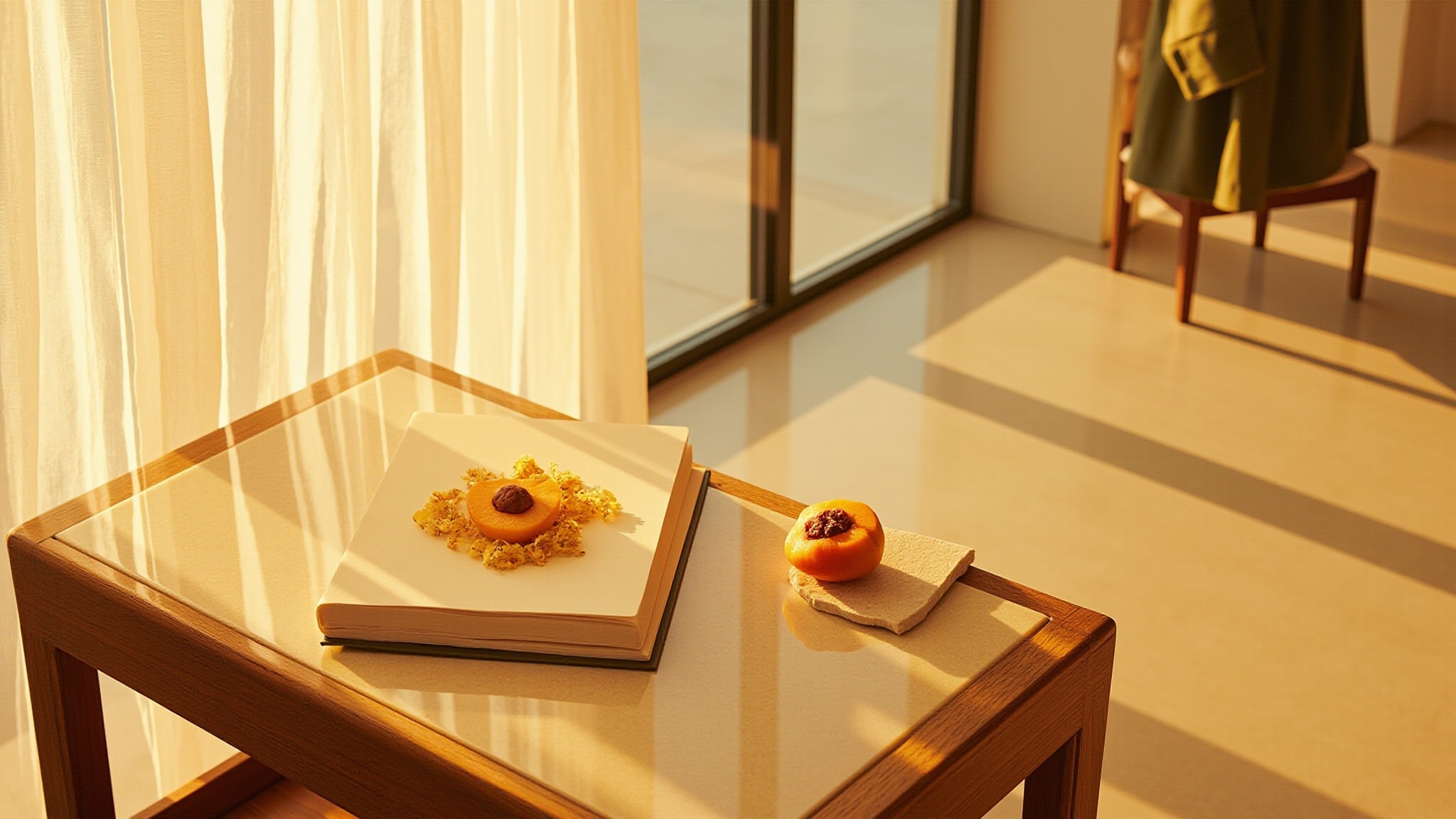
Opens bright and apricot-forward. The osmanthus arrives quickly, small white flowers that smell like they've been pressed into a book of poetry. A mineral edge surfaces briefly, like biting into a peach pit, then softens as the lily of the valley arrives. That note, dewy, green, almost vegetal, tames the osmanthus sweetness before it can go syrupy. The heart phase unfolds gradually: jasmine arrives quiet, rose follows, lilac stays subtle throughout. The florals don't bloom dramatically, they layer, stacking on top of each other like petals pressed together. The drydown belongs to the amber and musk. Warm. Skin-close. Not projection, but presence, the kind you discover when you pull your collar up. Lasts through an eight-hour day and lingers into the evening shower.
Cultural impact
Île d'Amour sits comfortably in Fragonard's tradition of understated French florals. No oud, no ambroxan arms race. Just flowers, handled with restraint. The fragrance won't compete with the room, it doesn't want to. Its audience is someone who already knows what they're looking for.