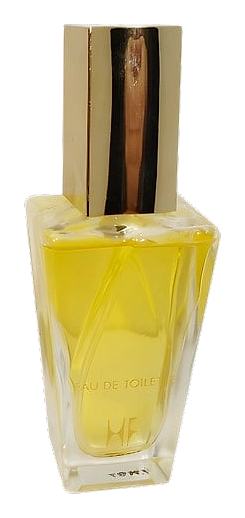

The Story
Why it exists.
The beginning
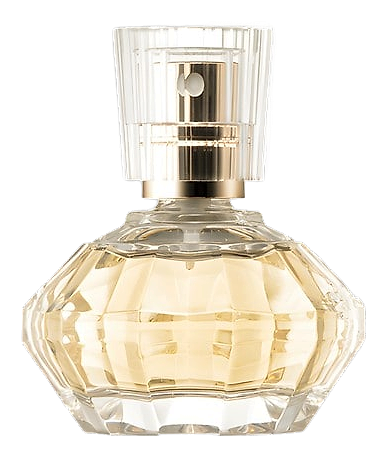
HF arrived in 1989, a year that found Japanese fragrance houses expanding their reach. Maurice Roucel composed HF with a classical floral heart wrapped in aldehyde sparkle, then anchored it with animalic warmth. The structure leans into aldehyde brightness at the opening, folds rose, carnation, jasmine, and iris through the middle, and drops into a base of civet, patchouli, musk, benzoin, amber, and vetiver. The aldehydes give it that soapy, fizzy lift, almost like the scent version of a flash photograph, bright and immediate. Underneath, the florals feel layered and dense rather than airy. Roucel's hand shows in the way the composition never settles fully into comfort; the civet keeps a low hum of unpredictability running through the base.
What's interesting is the structure. Aldehydes open like a clean canvas, but civet in the base drags the whole thing toward something raw before the drydown settles. That tension between polished top and feral bottom defines HF. Roucel layered carnation, jasmine, rose, and iris for breadth, then let civet and patchouli pull the composition toward spiced, slightly dirty territory. The musk and benzoin wrap everything in warmth without softening the edges. The aldehydes don't just sparkle and leave; they leave a trace that lingers under the florals for hours, almost like a metallic memory.
The evolution
The first ten minutes are all aldehyde sparkle and bergamot brightness, a fizzy curtain with serious lift. Coriander and green notes thread through, giving it a slight herbal bite. Then the floral heart arrives, and it arrives hard. Rose dominates, but carnation brings clove-warmth, and jasmine thickens the air. Lily of the valley whispers underneath, though it struggles to hold its own against the bolder flowers. Iris adds a powdery coolness that keeps the heart from going sticky. The base settles slowly, and this is where HF becomes something else. Civet makes its presence known, a furry, almost dirty warmth that sits against the benzoin sweetness. Patchouli grounds everything with earthiness, while amber and vetiver smooth the edges. The musk stays close to skin.
Cultural impact
HF sits in an unusual position within Kanebo's fragrance catalog. Within the house's lineup, it's the composition that leans hardest into French-style perfumery conventions, with aldehyde sparkle up top and an animalic-spiced base anchoring the drydown. The aldehydes give it a classical lift that recalls Chanel No. 5-era constructions, while the civet and patchouli in the base push it toward the richer end of the floral spectrum. Reviewers who have sampled multiple Kanebo releases often note HF as the heaviest and most assertive of the bunch, the one that trades delicate restraint for warmer, denser territory.
The House
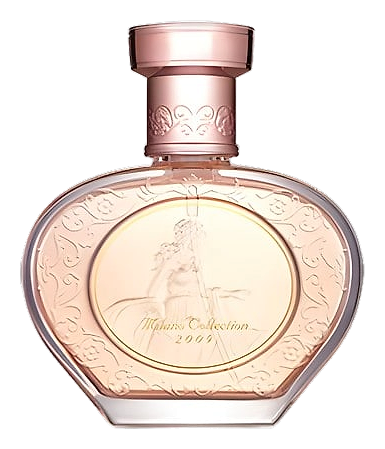
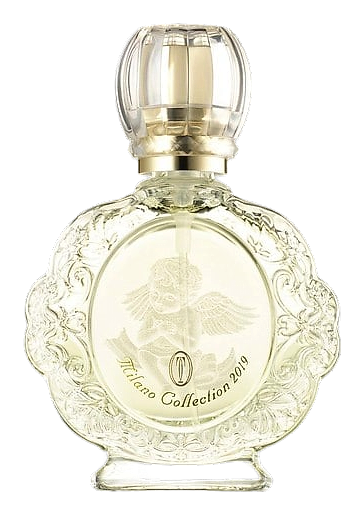
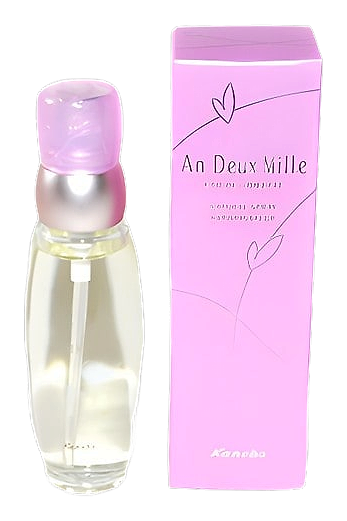
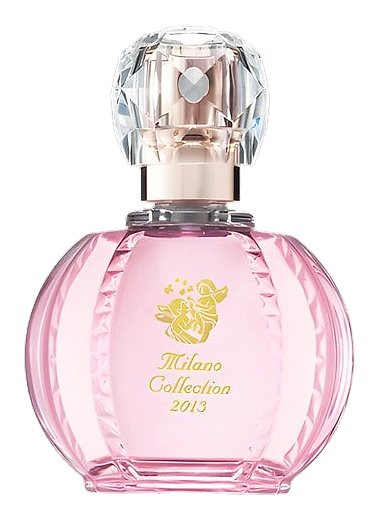
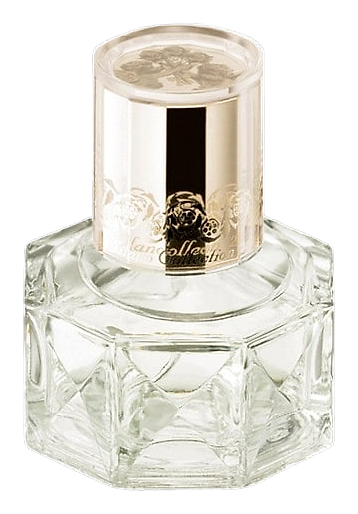
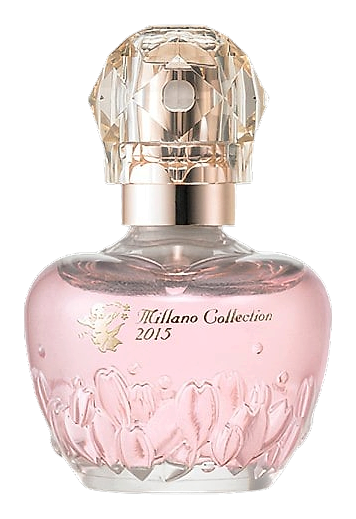
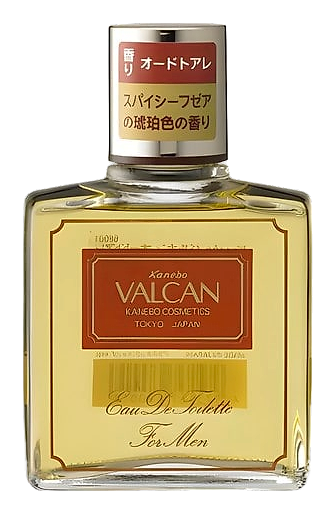
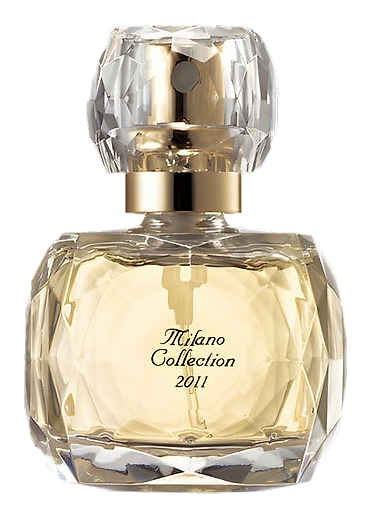
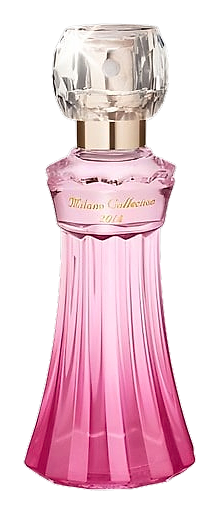
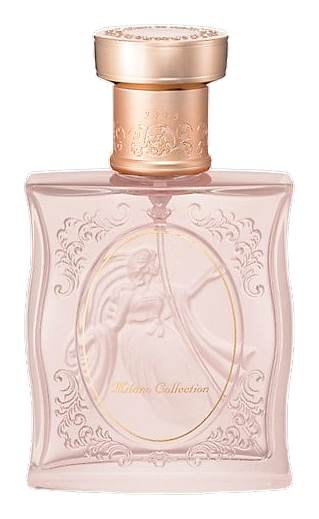
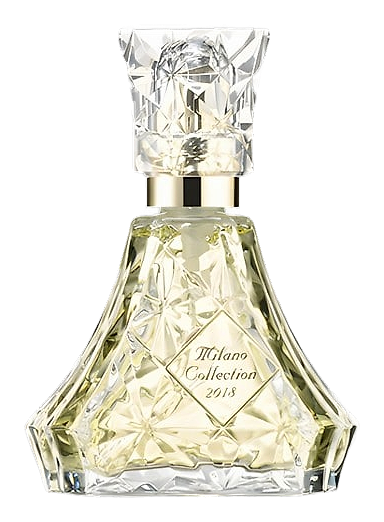
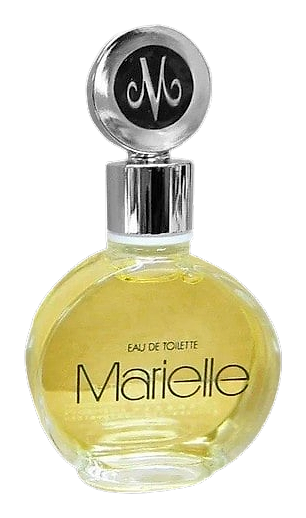
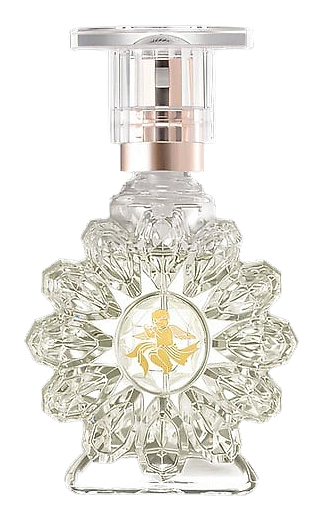
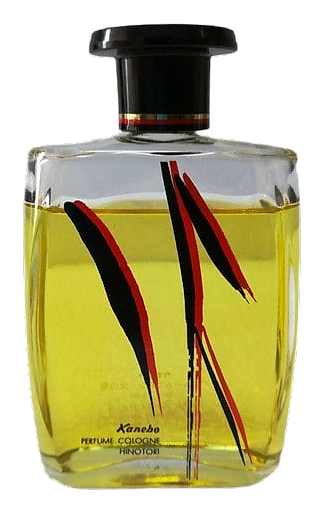
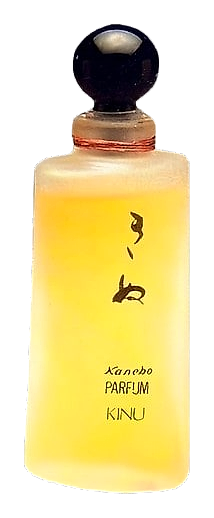
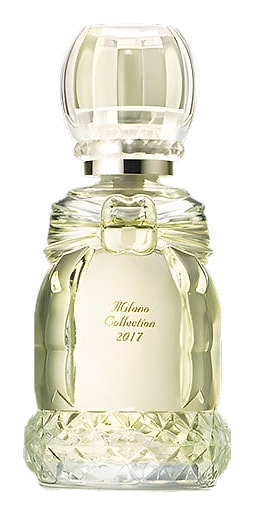
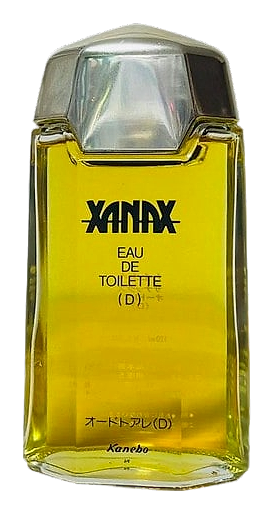
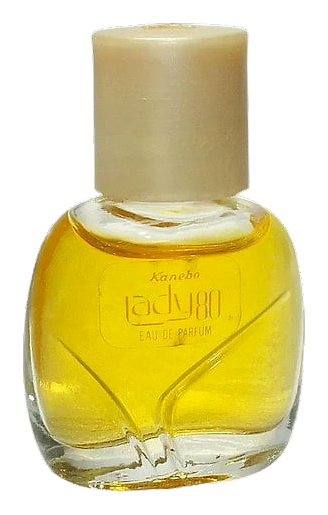
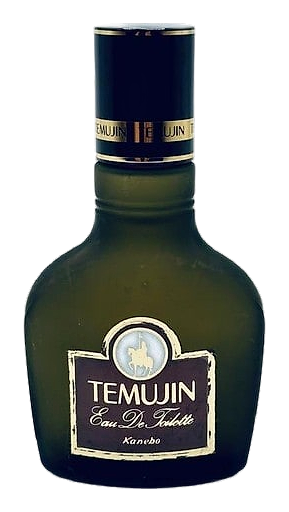
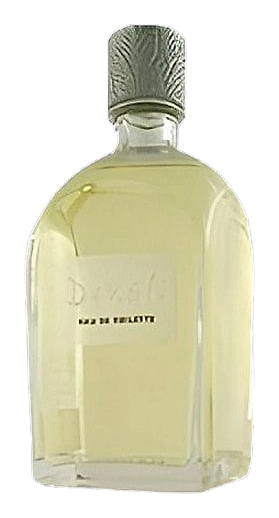
KaneboKanebo is a historic Japanese fragrance house with roots in the country's modern cosmetic industry. The brand gained recognition through its portfolio of fine fragrances spanning several decades, including the celebrated Kyoto, released in 1981, and the Milan-inspired Milano Collection series, which launched with editions in 2009, 2010, 2011, and 2014. Kanebo developed a distinct Japanese aesthetic in its perfumery, drawing inspiration from both Eastern and Western sensibilities. The company operated as an independent entity within the beauty sector before its acquisition, maintaining its identity as a creator of distinctive scents for discerning consumers.
The Creator
Maurice RoucelRoucel's style is often described as opulent and sensual. He has a penchant for white flowers, particularly tuberose, which he often uses in rich, heady compositions.