
The Story
Why it exists.
The beginning
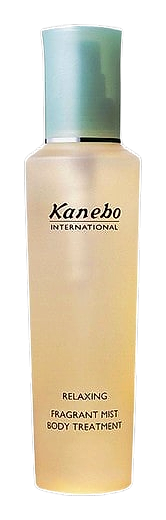
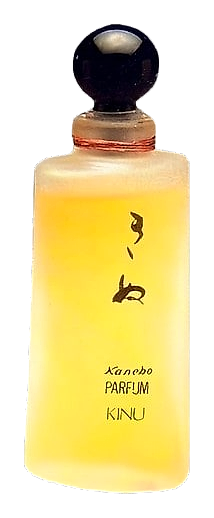
Kinu arrived from Kanebo's cosmetics and fragrance house at a moment when Japanese perfumery was actively courting Western structures while keeping its own sense of restraint. The fragrance itself comes across as a study in deliberate, quiet construction, built around a sparkling aldehyde opening that catches the light immediately on application. That initial burst of aldehydes lifts quickly into a bright citrus pairing of bergamot and lemon, lending the first few minutes a crisp, almost effervescent quality that feels cool against the warmth of skin. As the citrus softens, a green leafy character folds into the composition, threading ivy-like freshness through the sparkle and pulling the scent down toward something more grounded.
The composition treats fragrance as a finishing layer meant to sit close to the wearer rather than to project across a room. Aldehydes lend the opening that clean, almost soapy brightness, while bergamot and lemon give the first minutes a daylight clarity that feels suited to offices, classrooms, and quiet social settings. Green notes thread through the early drydown, adding a leafy coolness that softens the citrus and prepares the scent for its floral heart.
The evolution
Kinu takes its place among aldehyde fragrances that adopt the genre's recognizable sparkle but reimagine it through a cooler, more transparent lens. The aldehyde opening carries immediately, with that recognizable bright, slightly waxy lift that defines the family, but the supporting citrus of bergamot and lemon keeps the first ten minutes buoyant rather than dense. Green leafy notes arrive quickly to soften the aldehydes, pulling the composition toward something cooler and more vegetal, and then violet opens up gently in the heart, never overwhelming but always present. The whole structure hovers just above the skin instead of expanding outward, and this quiet projection is part of what defines the scent's character.
Cultural impact
Kinu arrived during a period when Japanese consumers were embracing both domestic perfumery and the prestige of imported French classics, situating itself within a market that valued restraint, refinement, and tactile quality. The fragrance's aldehyde-and-violet construction carried a particular appeal at the time, offering wearers a polished floral character that read as elegant without tipping into heaviness. That balance between brightness and softness, between citrus lift and violet hush, gave the scent a place alongside clothing and grooming rituals of the era, where finishing touches were chosen with care.