The Story
Why it exists.
The beginning
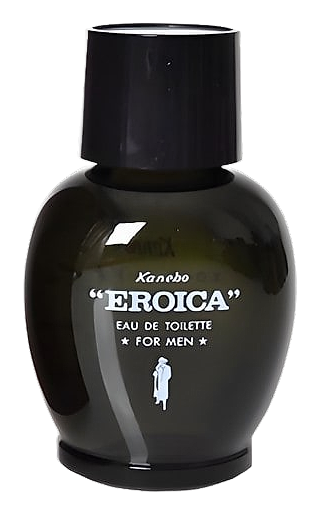
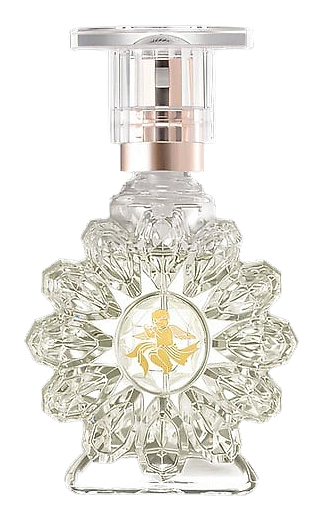
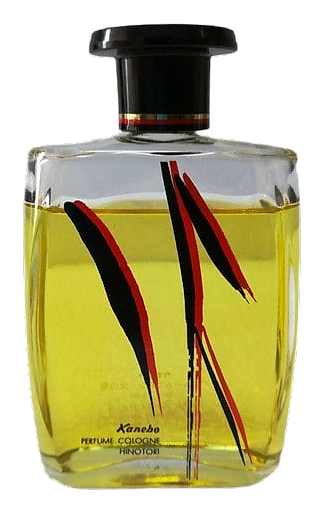
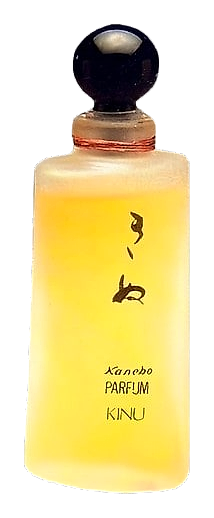
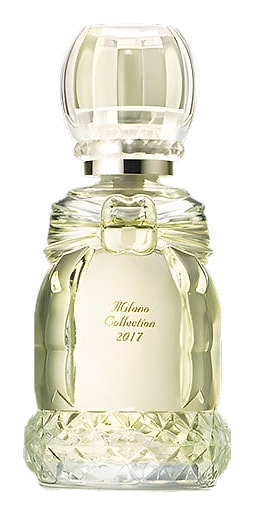
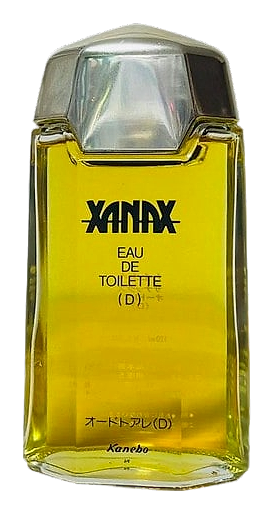
Xanax arrived in 1985 from Kanebo, a Japanese house with a men's fragrance portfolio that had been steadily developing throughout the decade. It was a composition that arrived quietly and stayed quietly, and that quality is part of what makes it interesting. The fragrance reads as a masculine cologne with a distinctly deliberate hand, one that values composure and clarity over volume and spectacle. Nothing about it strains for attention or reaches beyond its own measured scale. Production has apparently been discontinued, which places Xanax in a particular category of scent today. It isn't something you'll find on a department store counter or promoted on a brand's current catalog page.
What makes Xanax worth attention is its restraint. The composition stays measured throughout its lifespan, never leaning on the heaviest materials to assert itself. The green and herbal elements do the structural work upfront, holding the shape of the fragrance without tipping into anything sharp or aggressive. The base materials ground it rather than dramatize it, giving the scent a clean readability that wears well across contexts. It's a cologne that knows what it's doing and doesn't need extra volume to prove it. The way the different layers interact reveals careful construction.
The evolution
The opening hits with a bright herbal-aromatic snap, green enough to register as crisp but tempered enough to avoid aggressive sharpness. That green character holds well into the early life of the scent, setting the architecture before the warmer elements begin to surface. As the composition develops, the spice and aromatic herbs soften and a quieter warmth starts to anchor the progression. The amber and woody base materials arrive gradually, never dominating, simply catching the fragrance as it descends. In the later stages of wear, what remains is a close, warm, slightly soapy-amber presence on skin. It doesn't project far in the final hours, but it stays present in a personal way, the kind of scent a wearer catches on their own collar or wrist rather than something that announces itself across a room.
Cultural impact
Xanax represents a specific moment in Japanese masculine perfumery, released in 1985 by Kanebo during a period of activity for the brand's men's line. Its discontinued status has shifted it from a contemporary commercial release into something else entirely, the kind of scent that surfaces in vintage fragrance circles and cologne discussions online rather than department store counters. For wearers who encounter it, Xanax offers a window into a more restrained masculine tradition, one that valued composure over projection, and that sensibility still reads as distinct from many of the masculines that surrounded it.