The Story
Why it exists.
The beginning
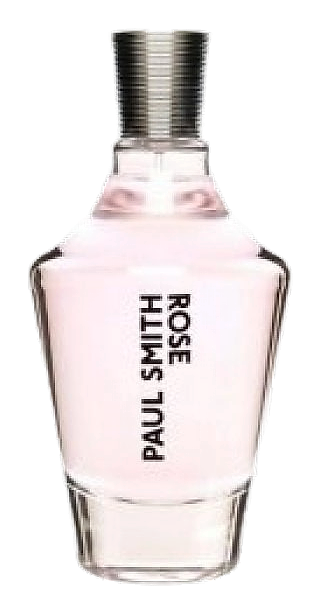
Paul Smith Rose was created by Antoine Maisondieu and arrived in 2006. Maisondieu composed it with a clarity that lets each note read distinctly, and the result is a rose that feels alive rather than heavily ornamental. The composition treats rose the way a garden treats it: fresh, slightly dewy, never overbred. What comes through is something close to the flower as it grows outdoors, stem and leaf included, with a softness that reads as natural rather than constructed. The opening carries a green lift, almost like the first breath after rain on warm soil, and the rose at its centre never tips into the syrupy territory that rose fragrances sometimes fall into. There's a coolness threading through it, a sense of restraint that keeps the whole thing from feeling overdressed.
What makes this rose work is what surrounds it. The violet and magnolia at the opening add a cool, almost chalky brightness that keeps the floral from collapsing into sweetness. Green tea steps in at the heart not as a note to name, but as a temperature, lowering the composition by a few degrees, the way a shaded garden feels cooler than the sun. Then cedar and musk arrive at the base, woody without smoke, clean without soap, the kind of drydown that reads more like skin than like perfume.
The evolution
The first ten minutes belong to violet. Cool, slightly powdery, with a green edge that reads more like crushed stems than like flowers. Magnolia arrives underneath, airy and lemony, giving the opening a brightness that feels like light through a window. By the thirty-minute mark the Paul Smith rose takes over, and it's a particular kind of rose, more leaf than petal, more morning garden than florist shop. Green tea settles in alongside it, cooling the sweetness, keeping the whole thing in the present tense rather than letting it drift into something romantic. Around the three-hour mark the cedar emerges. Not sharp, not smoky, just a clean woody hum underneath the floral. The musk is what carries the last few hours. Soft, warm, barely-there, the kind of base that stays on a sweater overnight and greets you the next morning.
Cultural impact
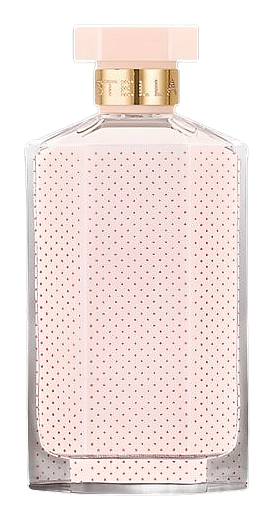
Paul Smith Rose sits comfortably alongside fragrances like Diptyque's Eau Rose and Stella McCartney's Stella, compositions that approach rose with a lighter hand than traditional perfumery. It wears as a daytime signature for someone who wants floral presence without the weight that rose fragrances often carry. The scent reads as fresh and current, the kind of rose that works in a professional setting or a casual afternoon without feeling out of place in either. There's a clarity to it that makes it versatile, and a softness that keeps it from feeling sharp or severe.