The Story
Why it exists.
The beginning
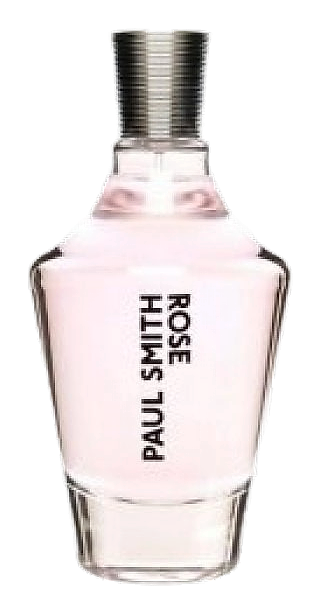
Paul Smith's rose line began in 2006 with a quiet, confident floral. Rose Summer Edition arrived four years later, not a sequel but a seasonal recalibration. Antoine Maisondieu was asked to take the house's signature rose and find the version of it that belongs to July. Watermelon, green tea, and iris weren't decorative choices. They were structural. The brief was simple: cool down the rose without making it cold. Make it drink something cold. Let it sit in a garden that actually gets sunlight. What emerged was a fragrance that understood restraint as a form of generosity. The watermelon opens bright and almost fizzy, that moment of biting into something cold on a warm day. The Tincture of Rose gives it the house's recognizable character without the weight. Green tea provides a cool, slightly astringent counterpoint that keeps the whole thing from sitting too heavily on the skin. It's rose for people who never asked rose to perform.
The structure is what makes this interesting. Most rose fragrances are built centripetally, everything gathers toward the rose at the center. Rose Summer Edition works differently. The watermelon and blackcurrant at the top are not supporting actors. They create an opening so fresh and cool that the rose arrives almost as a surprise, less an announcement than a gentle materialization. Green tea and iris in the heart add a quiet sophistication, the green tea keeps everything airy, while the iris introduces a subtle powdery quality that rounds the composition without weighing it down. The house's Tincture of Rose is the connective tissue. It gives the fragrance its identity without demanding attention.
The evolution
The opening announces itself immediately and with surprising confidence. Watermelon, violet, and blackcurrant arrive together in a cool, almost effervescent burst, less the juicy sweetness of the fruit itself, more the sensation of something cold and refreshing hitting the palate on a hot afternoon. The violet arrives a few seconds behind the watermelon, soft and powdery, preventing the top from reading as purely fruity. Around the ten-minute mark, the rose begins to emerge. Not all at once, it materializes gradually, cooled and tempered by the green tea that was waiting underneath. The iris arrives just after, adding a faint powdery quality that subtly shifts the composition from aquatic-fruity toward something more refined and composed. For the next forty minutes or so, these three, rose, green tea, iris, hold the composition in a state of gentle, cool balance. The base announces itself slowly, beginning around the forty-minute mark.
Cultural impact
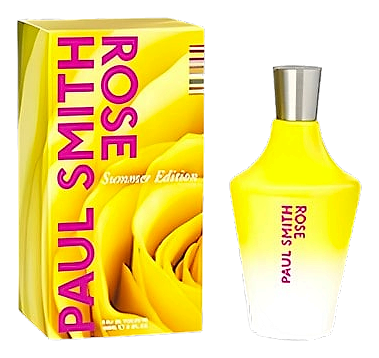
Rose Summer Edition found its audience among wearers who wanted rose but found most interpretations too heavy for warm weather. It arrived in a yellow and white flacon that reflected the sunny, cheerful character of the composition itself, the packaging as honest as the scent inside. Paul Smith's fragrance line has never chased status or hyperbole; this edition simply offered something cooler, more refreshing, and more wearable than the category typical, and let the people who got it do the talking.