
The Story
Why it exists.
The beginning
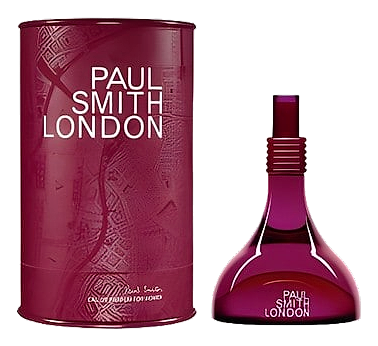
Paul Smith London Women arrived in 2004. Jean-Pierre Béthouart, the perfumer behind classics for L'Artisan Parfumeur and Penhaligon's, composed it. The juice opens with a bright, almost bracing hit of star anise that lingers just long enough to sharpen the senses before the floral heart arrives. Mock orange, unusual in mainstream perfumery, brings an herbal-green quality that feels more garden than bouquet, while jasmine adds a creamy sweetness beneath. As the hours pass, heliotrope and vanilla soften the composition into something powdery and intimate, but patchouli and a woody amber accord keep pulling it back toward the earth. The drydown is warm and slightly resinous, with that anise note still flickering at the edges like a distant memory of the opening.
The balance here is genuinely unusual. Star anise sharpens the top without tipping into candy, its licorice facet lending a cool, slightly medicinal edge that keeps the composition alert. Mock orange contributes an herbal-green floral that holds the jasmine in check, preventing it from veering into indolic territory. Heliotrope and vanilla do the powdery work, lending an almond-like softness and a gourmand whisper, but patchouli and woody amber ground them with enough weight to keep the whole thing from collapsing into sweetness.
The evolution
The first 30 minutes are the cool green phase: lime and neroli up top, star anise threading through, a touch bitter and bright. Then the heart opens with mock orange and jasmine over a soft heliotrope-vanilla haze. The lilac leaf and patchouli give it a faintly herbal earthiness, like crushed stems in a hand. By the third hour the powder settles into skin. Amber and woody notes take over, and the fragrance becomes warmer, creamier, more intimate. It doesn't project dramatically after hour two. It stays close, a personal scent bubble. On fabric the next morning, traces of vanilla and amber linger, soft and clean.
Cultural impact
Paul Smith London Women occupies a quietly distinctive place among fashion-house fragrances. Composed by a perfumer with a background in independent and heritage houses, it carries the hallmarks of careful construction rather than mass-market compromise. The powdery oriental character places it firmly in the early-2000s, but the restraint and the mock-orange note keep it from feeling like a relic. The opening burst of star anise reads as almost contemporary by today's standards, even though the overall shape of the fragrance belongs to an earlier moment in perfumery.