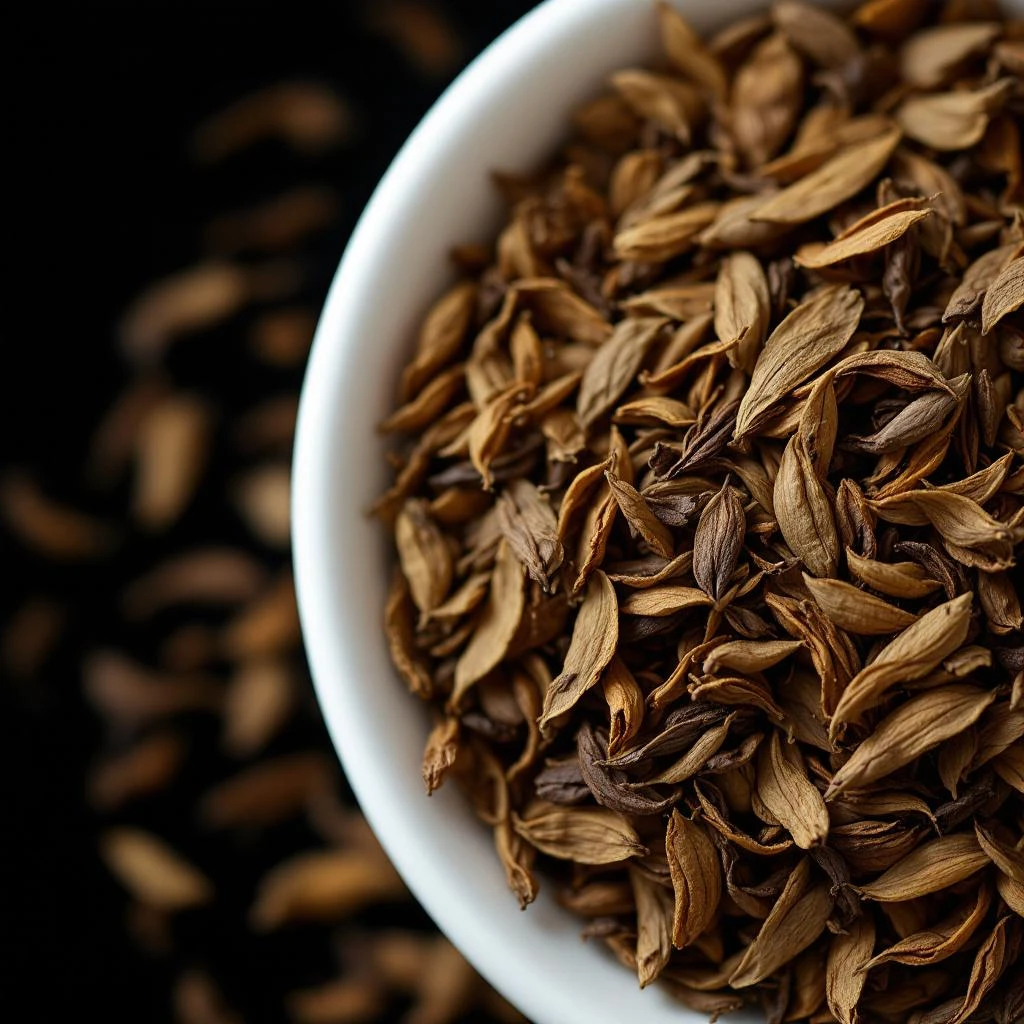
Lilac Leaf
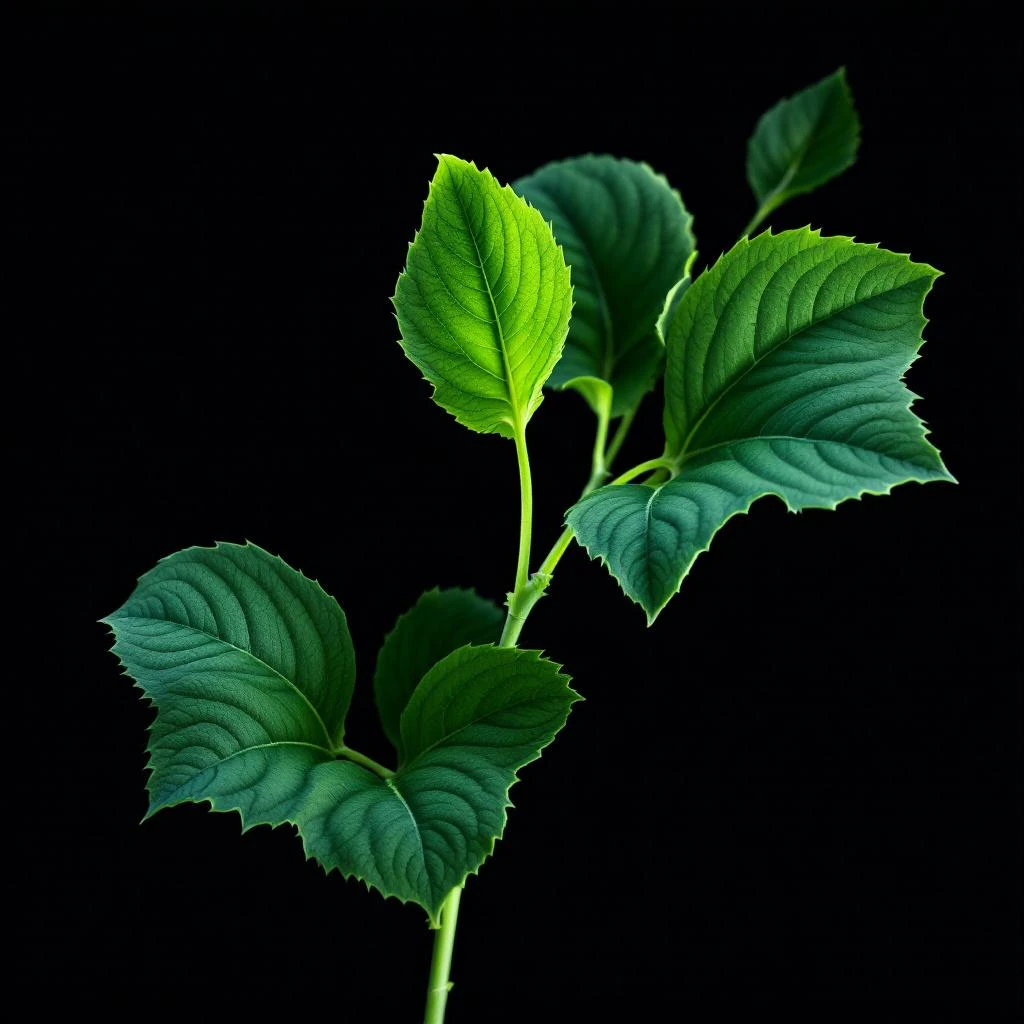
The unsung green heart of lilac. While flowers steal attention for their sweet blooms, the leaf offers a sharper, greener scent that grounds fragrant compositions with crisp, vegetative depth.
Character
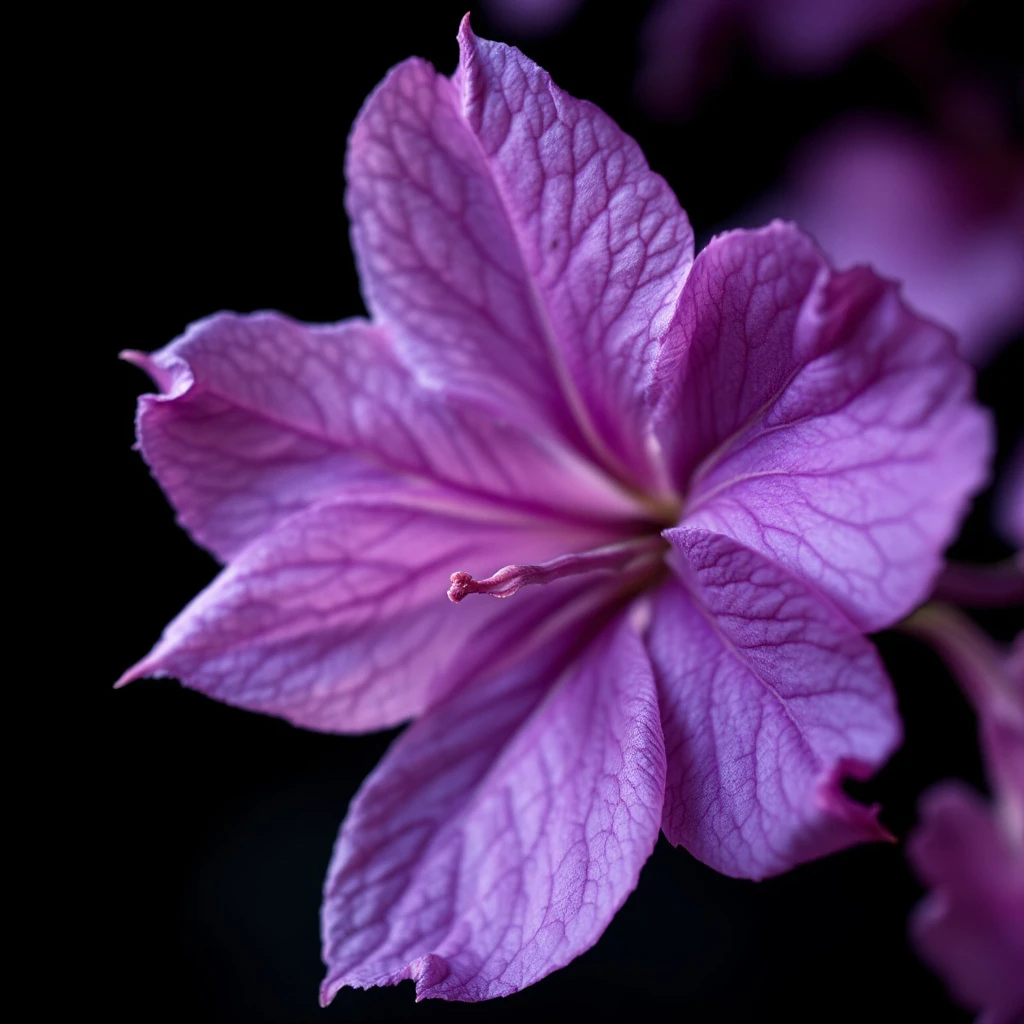
How it smells
Grounded green. The leaf that anchors lilac's sweetness.
Lilac leaves contain volatile compounds that give them a distinctly bitter, herbaceous aroma completely different from the flower's sweet perfume.







Origin
Turkey
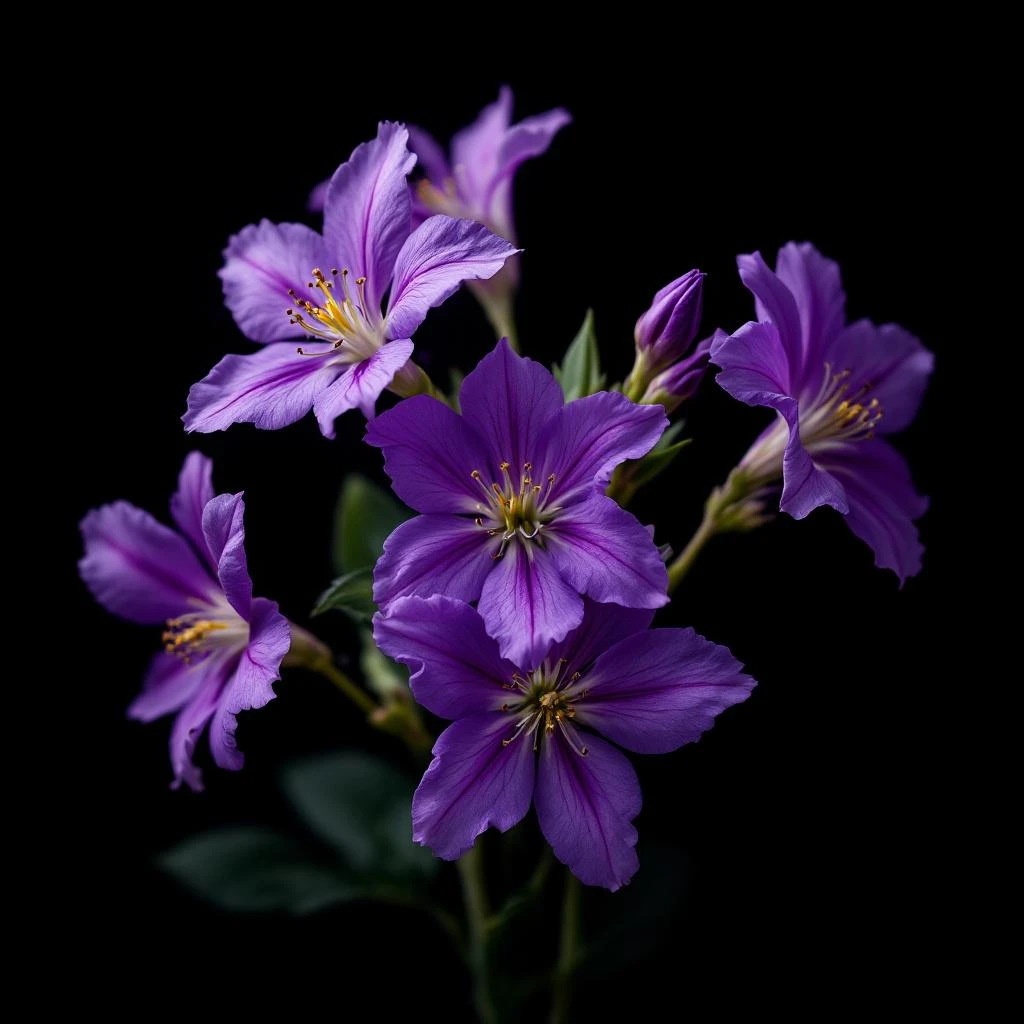
Lilac plants traveled westward from their Asian origins along ancient trade routes, reaching European gardens via Spain in the 16th century. The flowers quickly became beloved for ornamental and fragrant purposes, appearing in pomanders and sachets. Meanwhile, the leaves found practical applications in traditional medicine across Turkey and Iran, where herbalists used them for their astringent properties.
The leaf's distinct green scent remained largely uncelebrated by perfumers until the 20th century, when fragrance houses began seeking more naturalistic, vegetally accords. Today, lilac leaf absolute contributes an authentic green dimension to modern compositions, offering something the impossible-to-extract flowers cannot.
Wears it best
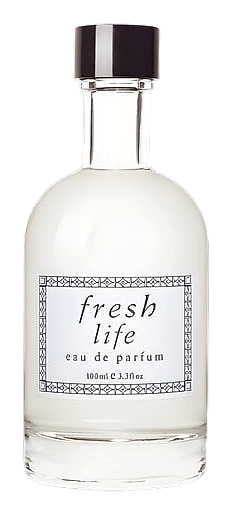
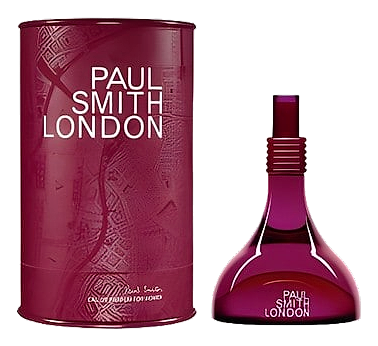
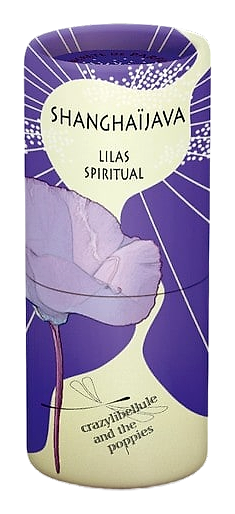
Fragrances featuring Lilac Leaf
Brands
Brands known for Lilac Leaf
Good to know
Questions, answered
The essentials on Lilac Leaf in perfumery: how it smells, where it comes from, and how it behaves on skin.
What does lilac leaf smell like?
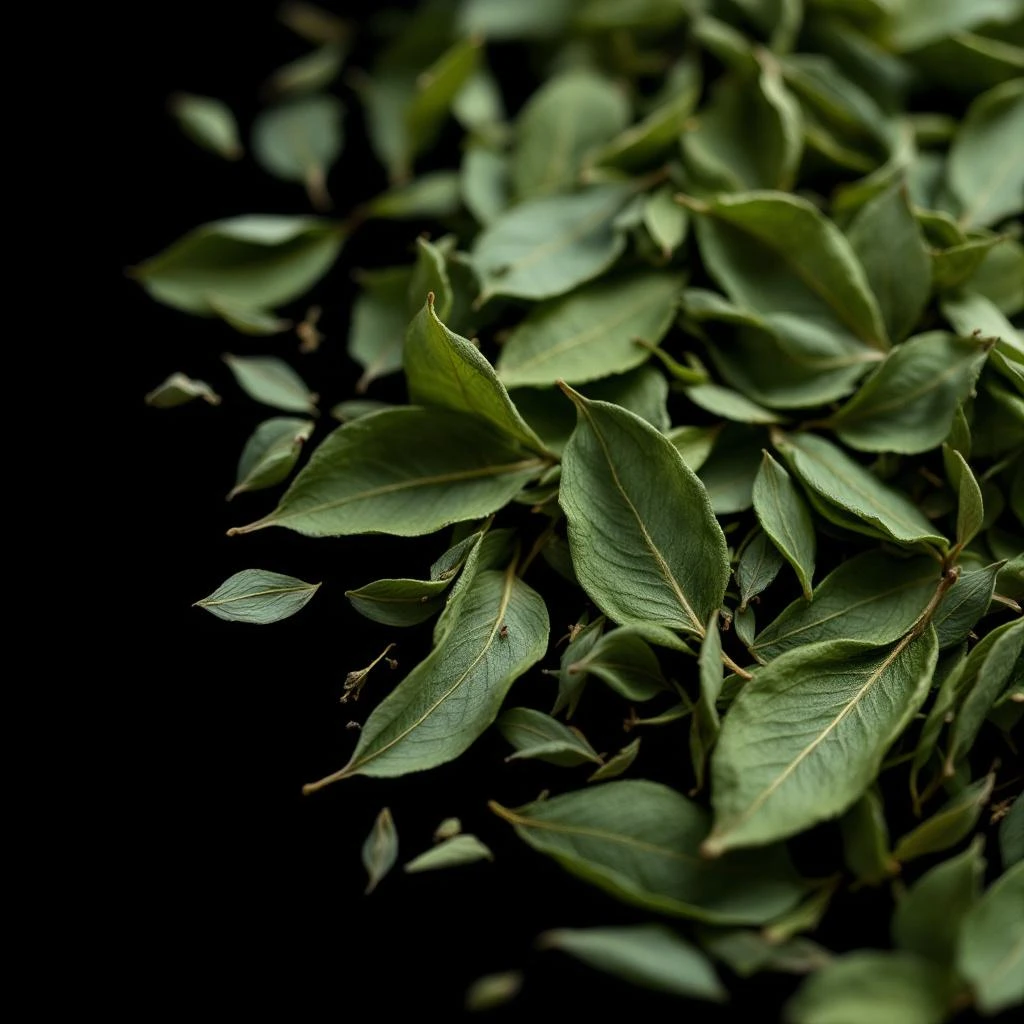
Lilac leaf has a crisp, green scent reminiscent of freshly crushed leaves and cut stems. It carries bitter, herbaceous undertones quite different from the sweet floral character of lilac flowers.
Can you extract scent from lilac leaves?
Yes. Unlike lilac flowers, which resist conventional extraction, lilac leaf yields an essential oil through steam distillation that captures its green, vegetative aroma.
How does lilac leaf differ from lilac flower in perfumery?
Lilac leaf provides authentic green, bitter, and herbaceous notes. Lilac flower absolute or accord offers sweet, almond-like floralcy. Perfumers often use the leaf to ground overly sweet floral compositions.
What molecules give lilac leaf its scent?
The leaf contains various terpene compounds and aliphatic alcohols that create its characteristic green, slightly bitter aroma. These differ significantly from the linalool and terpineol dominant in flower accords.
Does natural lilac leaf oil exist?
Yes. Steam distillation of fresh lilac leaves produces a genuine essential oil with authentic green character, a rarity among lilac-derived ingredients since flower extraction remains impractical.
What fragrances use lilac leaf?
Lilac leaf absolute appears in many modern green and floral fragrances where perfumers want realistic vegetative depth. It works especially well in spring and summer scent profiles.
Where do lilac plants originate?
Lilacs originate from the Balkans, Turkey, and Iran, where they grow naturally in rocky hillsides and woodland margins. The plants have since spread worldwide as garden specimens.
How should lilac leaf be stored?
Store lilac leaf essential oil in a cool, dark place in tightly sealed amber glass bottles. Like most natural materials, it oxidizes over time and retains quality best when protected from heat and light.