Flouve
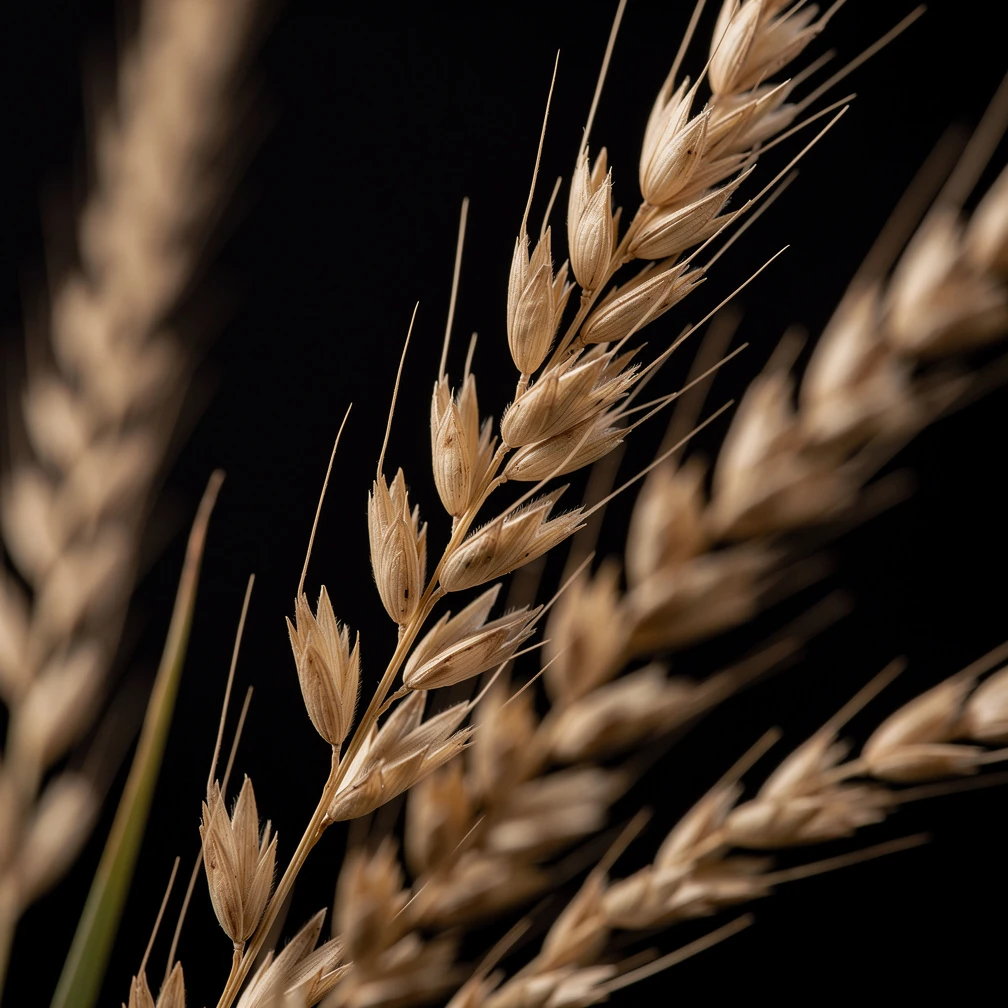
Flouve, derived from sweet vernal grass, delivers a warm, hay-like aroma with gentle coumarin undertones. This European meadow ingredient brings a nostalgic quality to fougère compositions and herbaceous accords.
Character
How it smells
European meadow grass with sweet hay character
Flouve contains natural coumarin, the same compound responsible for the scent of fresh-cut hay and new-mown grass.





Origin
France
Sweet vernal grass has grown across European meadows for centuries, valued by farmers as a sign of healthy pastures. Its distinctive sweet scent when dried became noticed by early perfumers exploring natural ingredients. The grass gained prominence in Grasse during the 19th century expansion of French perfumery, when artisan houses experimented with unusual botanical sources beyond traditional florals.
Flouve found its place in masculine fragrances and fougère accords, where its hay-like quality added pastoral authenticity. The ingredient represents a bridge between perfumery and the broader tradition of botanical perfumery ingredients drawn from non-flowering plants.
Wears it best
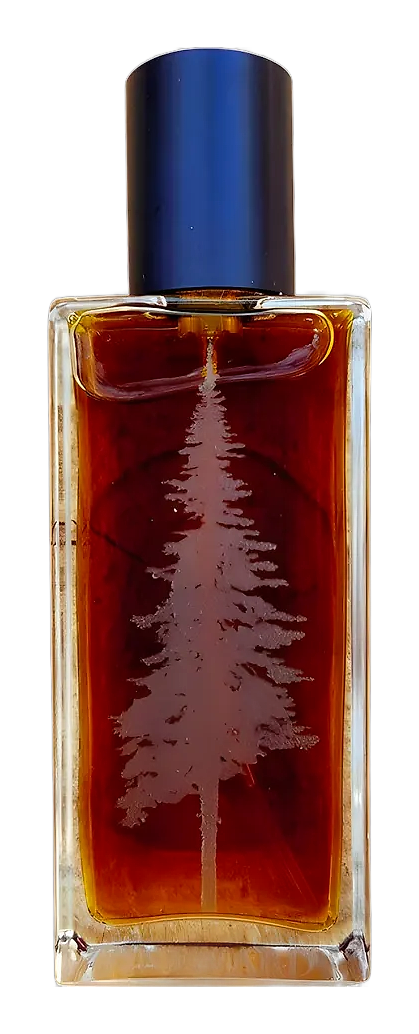
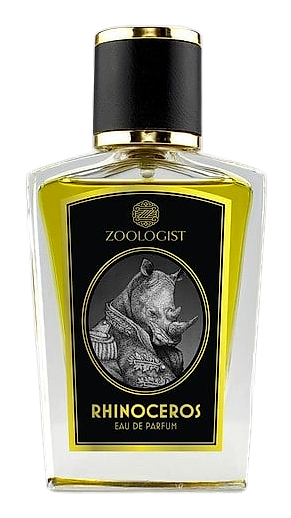
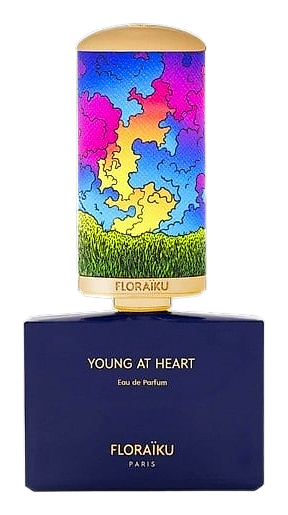
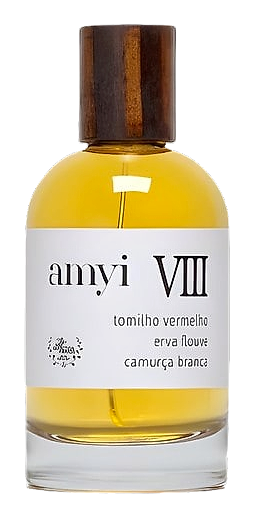
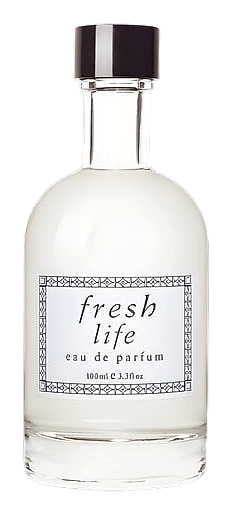
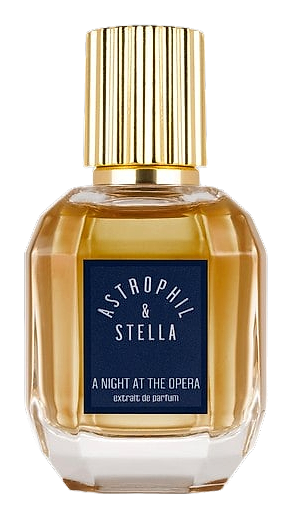
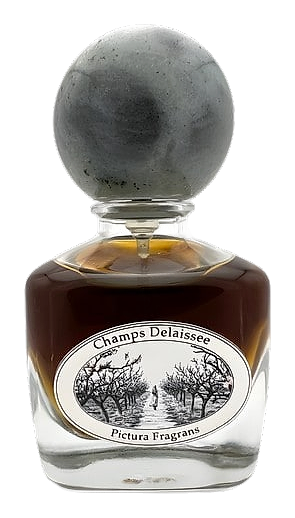
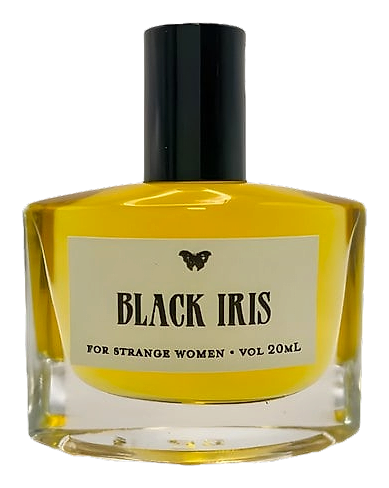
Fragrances featuring Flouve
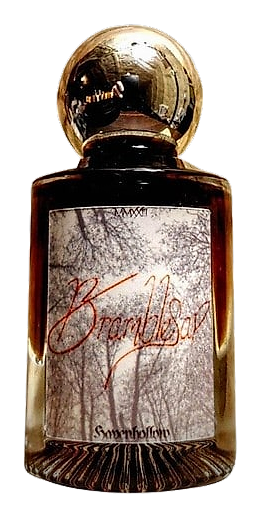
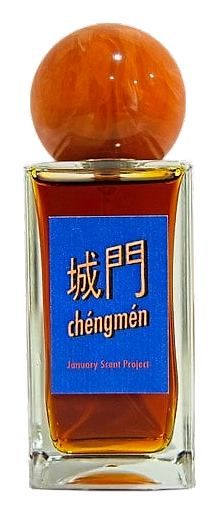
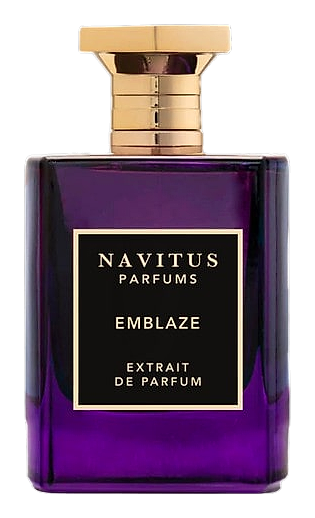
Brands
Brands known for Flouve
Good to know
Questions, answered
The essentials on Flouve in perfumery: how it smells, where it comes from, and how it behaves on skin.
What does flouve smell like?
Flouve has a warm, hay-like scent with gentle coumarin undertones. It brings a sweet grass character reminiscent of summer meadows and dried hay. The aroma is softer and more subtle than synthetic coumarin alternatives.
Which perfumes feature flouve as a key ingredient?
Flouve appears primarily in fougère and aromatic masculine fragrances. Classic formulations include various men's colognes and barbershop-style compositions where its herbal, hay-like quality supports lavender and oakmoss accords.
Is flouve a natural or synthetic ingredient?
Flouve is a natural ingredient obtained through steam distillation of sweet vernal grass. The plant grows natively across European meadows, with France remaining a primary source for perfumery-grade material.
What part of the flouve plant is used in perfumery?
Perfumery uses the dried flowering grass, harvested at peak maturity. All above-ground parts contribute to the aromatic profile, though the flowers and seed heads contain the highest concentration of aromatic compounds.
Does flouve contain coumarin?
Flouve naturally contains coumarin, which contributes to its characteristic sweet-hay aroma. This compound develops as the grass matures and becomes more pronounced when the plant material is dried.
What fragrance families use flouve?
Flouve belongs primarily to aromatic and fougère fragrance families. It appears most often in masculine compositions, herbaceous colognes, and traditional barbershop-style fragrances where it adds pastoral authenticity.
How is flouve oil produced?
Steam distillation extracts flouve oil from dried plant material. The process involves passing steam through the grass, which vaporizes aromatic compounds that are then condensed and collected as essential oil.
Where does perfumery-grade flouve originate?
France remains the primary source for perfumery-grade flouve, particularly regions around Grasse where traditional extraction expertise developed alongside the French perfume industry during the 19th century.