
The Story
Why it exists.
The beginning
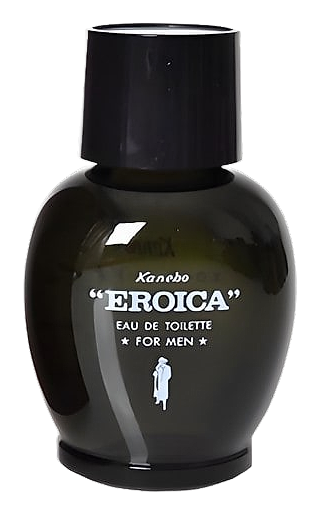
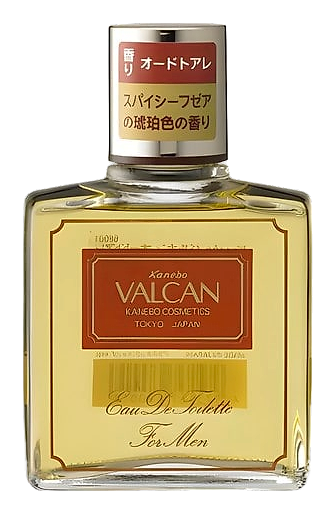
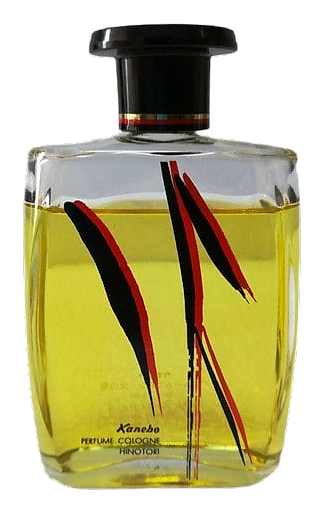
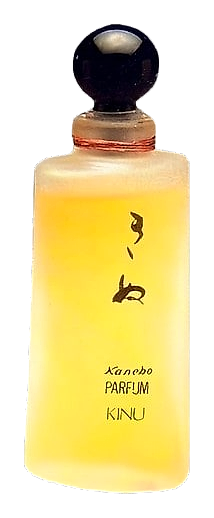
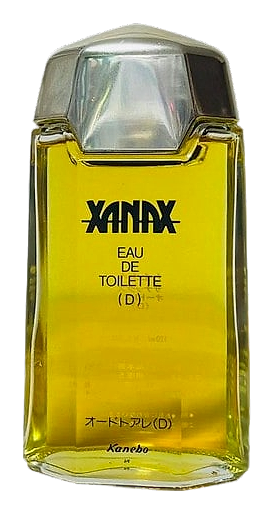
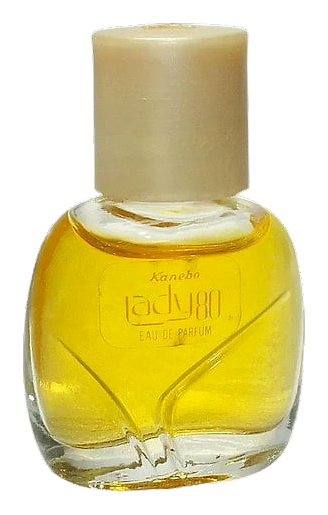
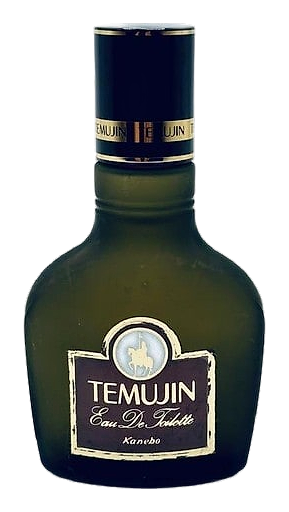
Temujin arrived in 1978 from Kanebo, carrying the discipline of a house that spent the 1970s building dark, complex men's wardrobes in a bottle. The fragrance sits comfortably in a lineage of structured, aggressive compositions built for a man who smoked indoors and didn't apologize. Temujin itself reads as a chypre dressed in herbal smoke, aimed at someone who'd already chosen a side. The opening cuts cold and green, with artemisia and bergamot stacking bitterness against bright citrus. There's no cheerful cologne energy here; instead, the first ten minutes smell like something herbal and medicinal pressed against clean skin.
The interesting choice here is restraint. Rather than pushing every dial to maximum, Temujin pulls back where you'd expect it to push forward. The artemisia and bergamot opening feels closer to cologne than cologne itself: bright, bitter, and slightly soapy, but with enough herbal weight to keep it from feeling like a fresh splash. That tension between brightness and depth runs through the whole composition. The castoreum in the base is the real signature.
The evolution
The first fifteen minutes are a bright, cold slap. Bergamot and lemon cut through first, but artemisia moves in fast, lending a bitter, almost absinthe-like herbaceousness that keeps the citrus from feeling cheerful. There's a green-soap quality to this opening that announces clean skin on a cold morning. Then the heart begins its slow takeover. Cedarwood shows up with a pencil-shaving dryness. Geranium folds into the patchouli, and the whole thing tips from bright green to a darker, earthier green, the kind that lives under trees after rain. Jasmine threads through barely-there, just enough to keep the masculine spine from feeling severe. The leather arrives late. It doesn't kick down the door. It slides in through the labdanum, oily and supple, sitting alongside castoreum's warm, musky, slightly urinous edge.
Cultural impact
Temujin occupies an unusual place in fragrance history. It's a Japanese-made men's chypre from the late 1970s, a combination that immediately sets it apart from the European houses that dominated the chypre category at the time. The fragrance wears its Western structural vocabulary openly, with classic chypre elements like oakmoss, patchouli, labdanum, and bergamot arranged in a familiar architecture, but there's a restraint throughout that feels distinctly its own.