
The Story
Why it exists.
The beginning
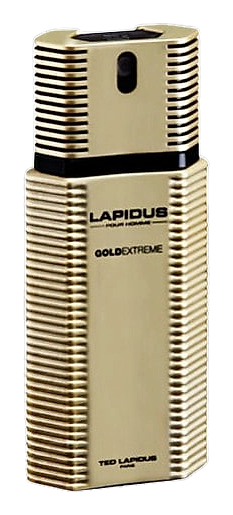
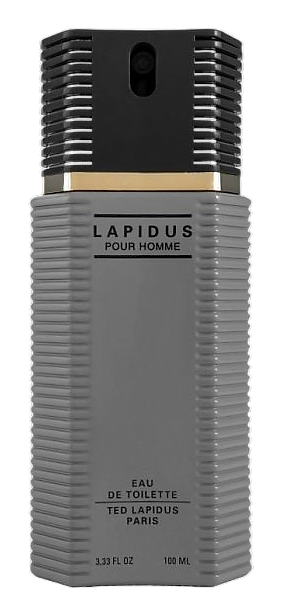
Ted Lapidus Pour Homme arrived in 1987 from the house of a French couturier, composed by Martin Gras. The fragrance was Gras's statement piece, a dense fougère-oriental hybrid that landed at the exact moment when masculine perfumery still had permission to be loud. The composition carries the confidence of a fashion house rooted in French couture, applying a designer's instinct for proportion and material to something you wear on skin instead of over shoulders. Gras built the fragrance with a perfumer's awareness that a 1987 masculine had to assert itself in a crowded room, and Pour Homme does exactly that. The juice is heavy, the sillage is generous, and the structure is built to carry both confidence and sweetness without one cannibalizing the other.
What makes the pyramid unusual is its density at every level. The opening is not just fresh citrus but a herbal-spicy cologne structure built around basil, lavender, tarragon, and juniper, then sharpened by pineapple. The heart layers rose and jasmine with caraway, orris, pine, and a generous pour of honey, an accord that bridges the floral and the gourmand. The base is where the oriental weight lands: tobacco, patchouli, oakmoss, amber, sandalwood, tonka, and cedar all at once.
The evolution
The first thirty minutes are almost sharp, with pineapple and bergamot pushing forward alongside lavender and basil in a way that reads clean but a touch aggressive. The pineapple gives the opening a candied brightness that cuts through the herbs, while bergamot adds a sharper citrus rasp underneath. By the one-hour mark the honey starts to thicken, pulling rose, jasmine, and orris into a warm sweet accord that no longer smells like a cologne but more like something you could almost taste. The honey behaves like a binding agent, softening the herbal edges of the opening and pulling the florals into a unified texture. Tobacco and patchouli surface around the third hour, grounding all that sweetness under a smoky, slightly earthy weight. The patchouli arrives with a damp, soil-like undertone that contrasts the honey beautifully, while the tobacco adds a dry, leafy warmth.
Cultural impact
Lapidus Pour Homme has maintained a steady enthusiast following since its launch, prized by collectors who gravitate toward dense, unapologetic masculines. Reviewers consistently highlight the fragrance's value-to-quality ratio, with many noting that the composition delivers a richness typically found in much costlier bottles. Wearers tend to describe it in extremes: either the best value in vintage masculines or a scent too potent for modern close-quarters life. The fragrance divides opinion precisely because it refuses to compromise, offering no subtle drydown, no skin-close sillage, no quiet resolution.