The Story
Why it exists.
The beginning
The story of Animale for Men begins with the house's own evolution. Animale launched in 1987 as a bold French statement, a chypre with an animalic whisper that divided rooms and built a following. By 1994, the house had cultivated its identity enough to push deeper into that territory. Animale for Men retained the original's chypre backbone but bent it toward something warmer, sweeter, and unapologetically masculine. The brief was clear: take the provocation of the original and translate it into a scent that could anchor a man's evening without asking permission.
The note structure is built on a contradiction that works. The top explodes with pineapple, lime, and green galbanum, fruity, bright, almost playful. Then the honey arrives and changes the conversation entirely. It's not a gentle transition; honey dominates the heart, pulling nutmeg, ylang-ylang, and rose into a warm, almost edible middle that sits heavy on the skin. The base is where restraint finally appears, vanilla and tobacco locked together, amber and patchouli giving it weight, sandalwood and cedar making it last. This is a pyramid that doesn't play by expected rules. The sweetness doesn't fade, it deepens, becomes structural rather than decorative.
The evolution
The opening hits like fruit syrup left in the sun, pineapple and citrus give way to lavender's herbal edge, but the green notes keep it from tipping fully into dessert territory. Within 20 minutes the honey takes over the heart and the florals subordinate themselves completely. Ylang-ylang and rose disappear into the sweetness, leaving nutmeg as the only structural counterweight. The drydown is where this fragrance earns its reputation. Vanilla and tobacco arrive together, neither dominant, both unmistakable. Patchouli grounds the sweetness. Sandalwood and cedar give it length. The final 3-4 hours smell like the moment someone stops trying and just exists, warm, close, unhurried. On fabric, this one carries to the next morning.
Cultural impact
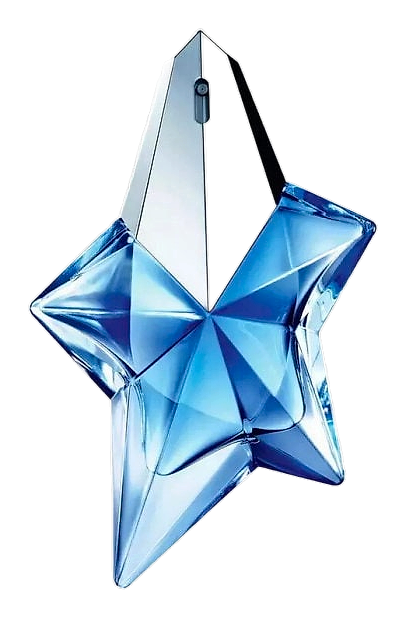
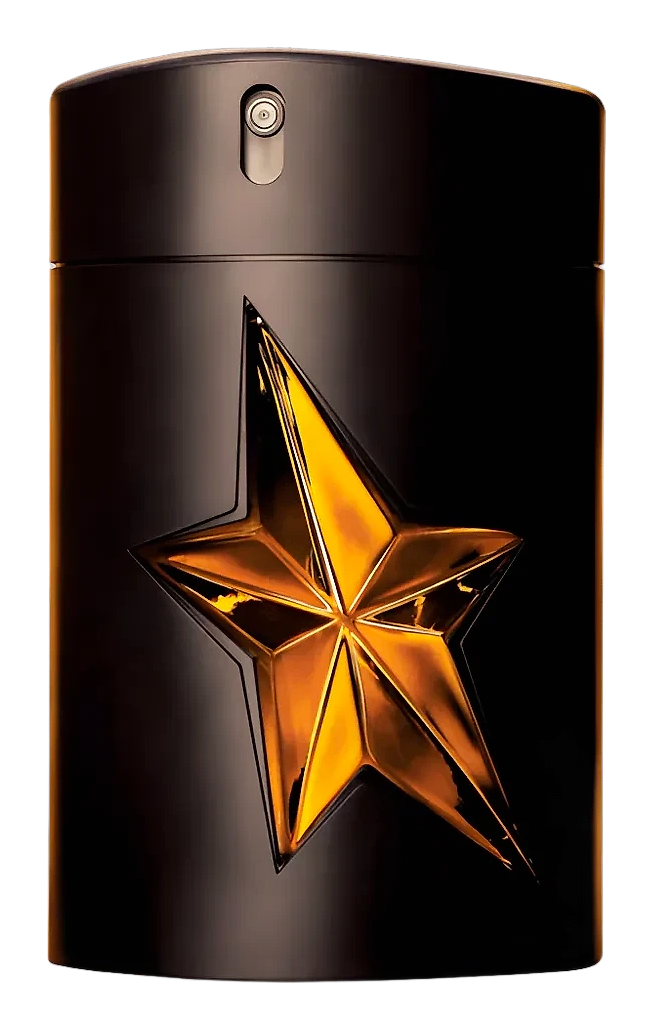
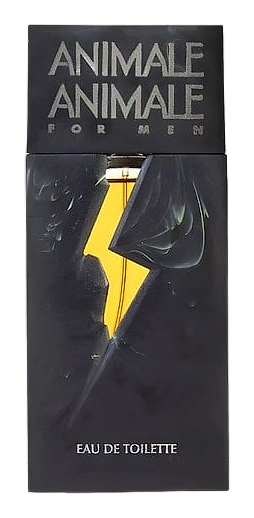
Animale for Men occupies an interesting position: it's been compared to A*Men and Angel by Mugler, fragrances that commanded premium positioning and cult status. What sets this one apart is its accessibility, strong performance, warm masculine character, and a price point that doesn't punish the wearer for choosing something distinctive. The community consistently flags the scent's value as exceptional: it lasts, it projects, and it delivers the tobacco-honey combination that defines the masculine gourmand category. The bottle has drawn criticism, but the juice itself has earned a reputation as a reliable blind buy for those who want warmth without the Mugler price tag.