

Heritage
A house, in its own words
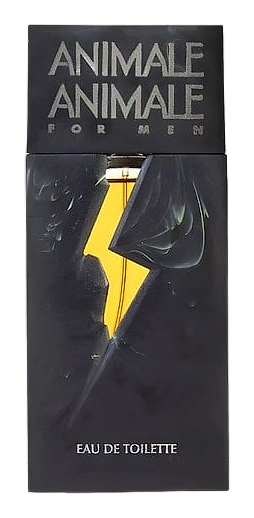
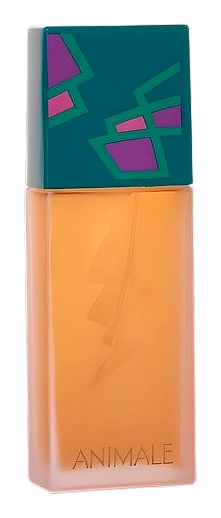
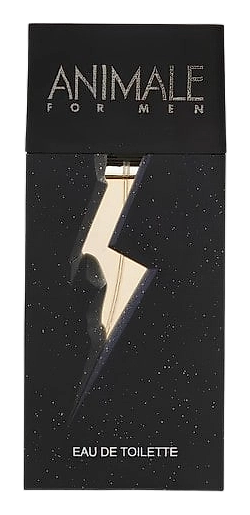
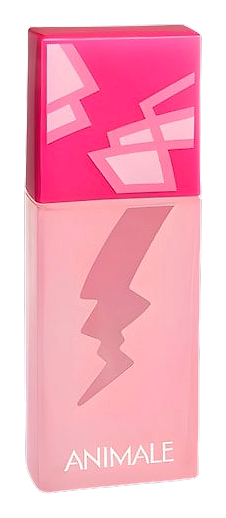
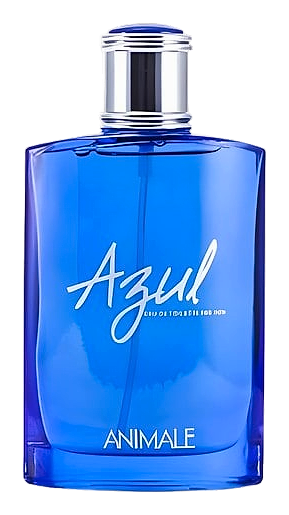
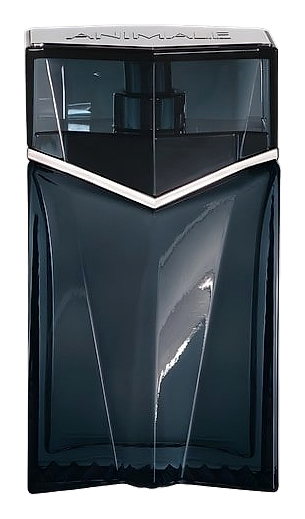
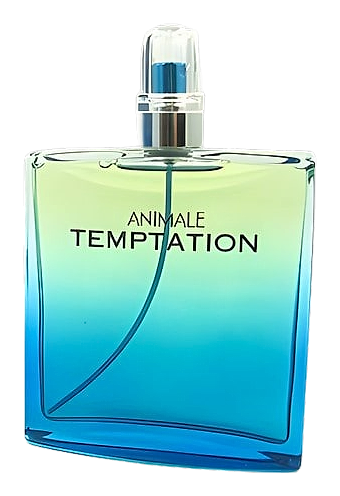
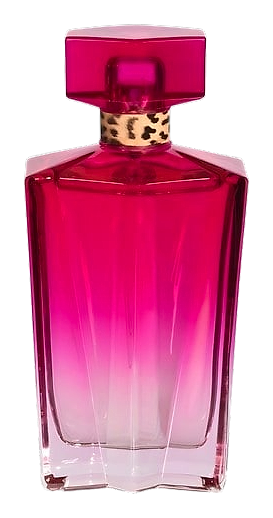
The story of Animale begins in 1987 when Suzanne de Lyon, a Parisian entrepreneur with a background in fashion retail, launched Animale Parfums. The inaugural fragrance, simply titled Animale, arrived in a sleek, black bottle with a gold‑tone cap, a design that captured the late‑1980s fascination with sleek minimalism and a hint of decadence. The scent itself was a rich chypre, described by independent reviewers as featuring a discreet animalic nuance that hinted at the brand’s name without overwhelming the composition. The launch attracted attention from niche boutiques across Europe, positioning Animale as a fresh voice amid the era’s dominant floral and gourmand trends. In 1993 the house introduced Animale for Men, a masculine counterpart that retained the original’s chypre backbone while adding aromatic herbs and a woody dry‑down. The following year, Animale Animale (often referred to as Animale 1994) refined the original formula, emphasizing a smoother, more polished finish that appealed to a broader audience. These early releases established a pattern: each new launch would reinterpret the brand’s core DNA—animalic intrigue, chypre structure, and a modern silhouette—through a fresh lens. The early 2000s saw Animale broaden its portfolio beyond the core chypre line. In 2005, Azul entered the market, offering a fresh, aquatic fragrance that contrasted with the house’s traditionally warm palette. The scent’s marine notes and citrus top accord demonstrated the brand’s willingness to explore new olfactory territories while maintaining its signature confidence. A notable shift occurred in 2014 with Animale Sport, a unisex fragrance that blended fresh citrus, aromatic herbs, and a clean musk base. This release reflected a growing consumer interest in versatile, active‑lifestyle scents and underscored Animale’s adaptability. The following years brought a series of gender‑specific releases: Animale Gold for Men (2021) and Animale Sexy (2021), both of which leaned into richer amber and spice accords, catering to consumers seeking evening‑wear intensity. Throughout its history, Animale has remained a privately held company, operating out of Paris and distributing primarily through specialty retailers and online platforms. The brand’s longevity—spanning more than three decades—testifies to its ability to balance heritage with contemporary relevance, a balance that continues to attract fragrance enthusiasts seeking a blend of tradition and daring innovation. Animale approaches perfumery as a dialogue between the familiar and the unexpected. The house believes that a fragrance should evoke a story that feels both personal and provocative, inviting the wearer to explore hidden facets of identity. Central to this vision is a respect for classic structures—chypre, oriental, aromatic—while deliberately inserting a twist, whether an animalic whisper, a metallic accent, or an unconventional ingredient pairing. The brand values authenticity over trend‑chasing, opting to develop scents that stand the test of time rather than fleeting market fads. Sustainability is addressed through selective sourcing; Animale prefers suppliers that can demonstrate responsible harvesting of botanicals, especially for ingredients like ambergris substitutes and ethically derived musk. Transparency in the creative process is another pillar: the house often shares the inspiration behind a launch, linking the scent’s narrative to cultural moments or personal experiences of its founder. This openness fosters a community of informed collectors who appreciate both the artistry and the ethical considerations behind each bottle.