
The Story
Why it exists.
The beginning
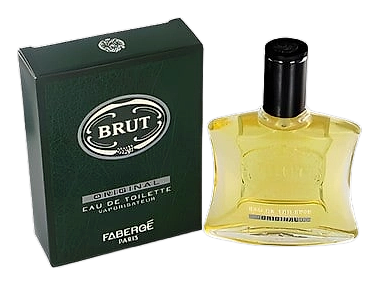
Karl Mann created Brut in 1964 for Fabergé Paris. Mann built the fragrance around a sharp green opening, citrus, lavender, basil, then let anise slide underneath to warm everything up. The heart brought geranium and jasmine, the base anchored it all in sandalwood, vetiver, and tonka bean. What emerged was an aromatic fougère. The opening arrives crisp and herbaceous, the citrus lifting the green notes while basil adds its own leafy brightness. Lavender delivers that clean barbershop precision, but the anise sneaks in quietly, threading a subtle sweetness beneath the surface that prevents the whole thing from feeling too austere. As the top notes soften, geranium and jasmine emerge in the heart, lending a soft floral quality that tempers the initial sharpness without becoming feminine.
The genius of Brut is in the anise-lavender pairing. Two ingredients that could clash instead create the whole point. The lavender gives you that clean barbershop precision. The anise adds a quiet sweetness underneath, unexpected, almost subversive in a masculine context. Mann didn't try to hide either. He let them argue, then let the sandalwood and tonka bean smooth things over in the drydown. The interplay between these notes is what gives the fragrance its character.
The evolution
The opening hits fast, bergamot, lemon, orange blossom brightening everything for the first few minutes. Then the anise arrives and shifts the character from sharp to warm, with basil and lavender underneath keeping it grounded. The heart of geranium and jasmine takes over around the 20-minute mark, and that's when the composition softens into something more approachable, the green herbs mellowing as the florals open up. The base notes begin to emerge after an hour: sandalwood, vetiver, patchouli, tonka bean, and vanilla building slowly beneath the surface. By the second hour, you're in the drydown. The tonka and vanilla create a warm, slightly sweet finish that lingers close to the skin. The oakmoss adds a subtle earthiness that keeps it grounded rather than synthetic. The next day, there's a faint trace on clothes, mostly the tonka and vetiver, like the ghost of the fragrance itself.
Cultural impact
Brut became a cultural touchstone in masculine grooming. By the 1970s and 1980s, it was everywhere: medicine cabinets, gym bags, offices. The brand positioned itself as fragrance for everyday men seeking confidence without exclusivity, and that democratic approach made it a fixture across generations. The original cologne remained in production for decades, outlasting trends and changes in ownership. Wearers describe it as a scent that feels like a familiar companion, present through decades of personal milestones and cultural shifts.