The Story
Why it exists.
The beginning
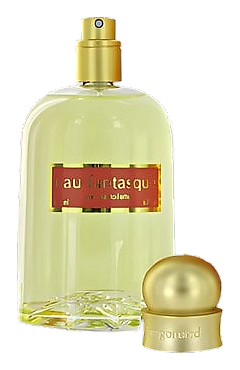
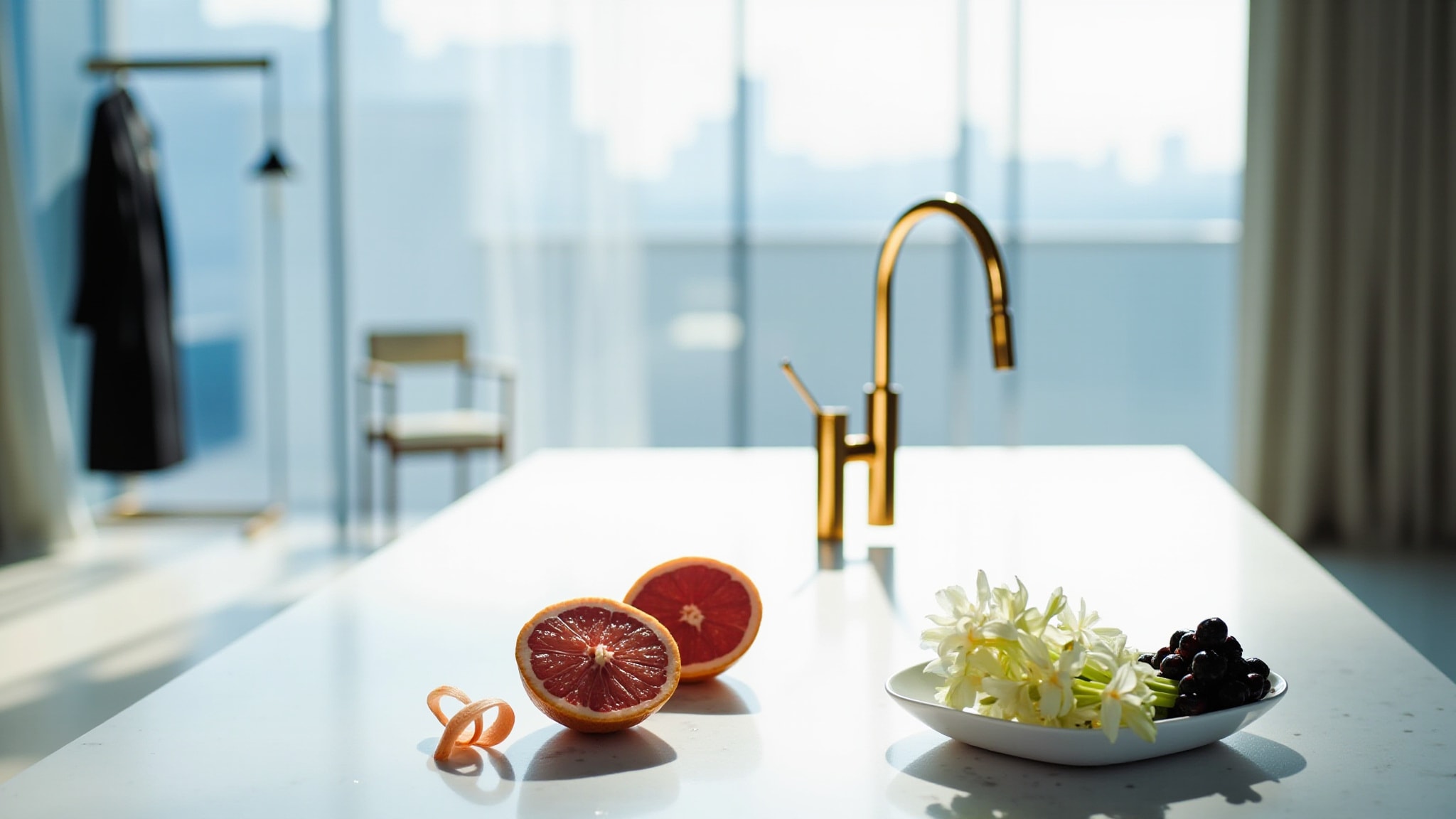
Eau Fantasque translates roughly to 'odd water,' a name that gestures at the fragrance's central character: something light that refuses to be forgettable. Released as a floral-fruity eau de toilette for women, the scent pairs piercing citrus against gentle florals in deliberate opposition. The composition opens with grapefruit and blackcurrant, where the green-pith sharpness of the citrus meets the jammy tartness of cassis in a burst that smells closer to fruit peel than fruit flesh. The fragrance keeps its personality through every phase, offering a brisk, airy quality that lingers without ever settling into anything heavy.
What makes this structure interesting is the friction at its center. Grapefruit and blackcurrant bring tartness and a green almost-tart edge, the kind of sharpness that wakes up a room. Then freesia, hyacinth, and jasmine step in to soften everything without sweetening it. The floral trio folds into the citrus rather than sitting on top of it, creating a continuous exchange between green brightness and petal softness that keeps the scent in motion.
The evolution
On skin, Eau Fantasque opens the way cold water hits a warm face. Grapefruit and blackcurrant arrive almost simultaneously, the green-pith sharpness of the citrus mixing with the jammy tartness of cassis into something that reads more like fruit peel than fruit flesh. That opening is generous and immediate. It announces itself within seconds. By the fifteen-minute mark, freesia and hyacinth have stepped forward, and the composition shifts from sparkling to soft. The jasmine stays subtle, more suggestion than statement, lending a soapy white-floral whisper underneath the green florals. The freesia contributes a watery, cucumber-like coolness that threads through the greenery, while the hyacinth adds a faintly metallic edge that keeps the florals from turning powdery. Together they create a cool floral cushion that smooths the initial tartness without erasing it.
Cultural impact
Eau Fantasque occupies a specific corner of Grasse perfumery: the affordable, clean, citrus-floral eau de toilette category that defined much of late-20th-century French women's fragrance. It wears like a wardrobe staple rather than a statement piece, the kind of scent people reach for on autopilot because it never demands anything. Its appeal is precisely its restraint. No single note dominates, no accord tries too hard, and the composition reads as effortlessly polished rather than ambitious. For wearers who want something that smells clean and considered without announcing itself, this is a reliable choice.