
The Story
Why it exists.
The beginning
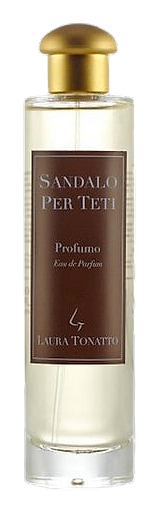
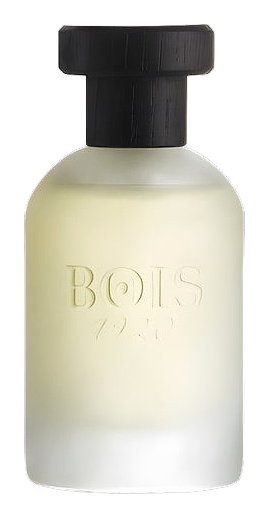
Sandalo e The arrived in 2005, composed by Enzo Galardi. The name draws from two materials: sandalo, Italian for sandalwood, and tè, Italian for tea. Two materials brought to a single point in the composition. What makes this one worth attention is the way the lead materials share space rather than compete for it. The result is a composition that speaks the aromatic language of Italian perfumery's quieter side, where restraint and raw material quality carry more weight than novelty. It's a formula that earned its standing through repetition and through wearers who come back to it, season after season, looking for something grounded rather than decorative. The opening carries a tannic lift, the drydown settles into creamy wood, and the whole thing reads as deliberate from start to finish.
What's unusual here is how the two lead materials share space rather than competing. Sandalwood of Indian origin anchors the drydown with that creamy, almost milky density sandalwood carries. Tea does something different at the opening, it gives the first impression a tannic, slightly smoky astringency that keeps the lavender and citrus from reading as ordinary. Caraway adds a savory, almost breadlike quality that sits right between the herbal brightness above and the woody weight below. The interplay between the floral heart and the base is where the composition earns its reputation.
The evolution
The first thirty minutes are a lift of citrus, caraway, and Provençal lavender with a thread of black tea running underneath, almost like Earl Grey caught at the right moment of steeping. Bright, herbal, a little bracing. Then the middle phase arrives, and the energy drops. Jasmine and rose absolute settle in alongside cedar and patchouli, the floral softening the caraway's edge while the woods start claiming territory. The patchouli here is dry, not sweet. By the third hour, the sandalwood has absorbed almost everything above it. Tobacco and myrrh close the circle, smoky and slightly resinous, the kind of drydown that clings to a cashmere sweater the next morning. The sillage stays moderate and close rather than reaching for attention, which suits the composition's whole intention.
Cultural impact
Sandalo e The has settled into the category of quiet, well-made aromatic that rewards repeated wearing rather than first impression. Wearers tend to describe it as an autumn or transitional fragrance, closer to a personal ritual than a statement of style. It shows up in conversations about underrated woody compositions and Italian craftsmanship, the kind of scent that connoisseurs pass along to each other rather than discover through advertising. The fragrance has built its reputation through word of mouth and through the kind of slow accumulation that comes from a composition that holds up over years of wear.