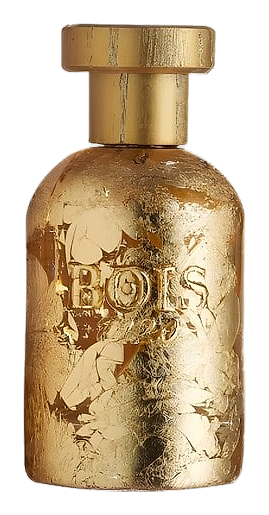

The Story
Why it exists.
The beginning
Come La Luna arrived in 2008 from Enzo Galardi at Bois 1920, carrying an Italian name that translates to something like 'as the moon', aspirational, poetic, a reach toward something luminous. The fragrance itself is neither delicate nor tentative. It's earthy, woody, and built on a chypre structure that owes more to classical perfumery than to anything trending in 2008. Galardi composed this as a statement: depth over decoration, presence over performance.
The note pyramid here is unusually clean for a niche house, no padding, no excess. Sicilian lemon, tarragon, cardamom open bright and sharp. The heart is Indonesian patchouli and Persian galbanum, not rose or peony. The base is oakmoss, birch, amber. What makes this structure interesting is the galbanum, a green note that most houses use sparingly, here given equal weight with the jasmine. It creates a vegetal, almost bitter undertone in the heart that few modern women's fragrances attempt. The birch adds a dry, slightly medicinal quality to the drydown that distinguishes it from sweeter chypres. This is a fragrance that chose character over comfort.
The evolution
The opening hits bright, Sicilian lemon and tarragon with cardamom's warm spice. For the first thirty minutes, it's citrus-driven and almost sharp. Then the galbanum arrives, green and slightly bitter, and the citrus begins to recede. The heart phase belongs to Indonesian patchouli, earthy and insistent, with jasmine adding a floral softness that keeps it from becoming too austere. Around the third hour, the oakmoss and birch emerge in the drydown. Oakmoss anchors the classical chypre structure while birch adds a dry, almost smoky quality. Amber ties everything together with warmth that stays close to the skin. This is a slow builder, the drydown doesn't arrive quickly, and the birch and oakmoss persistence means it keeps evolving for hours. Moderate sillage throughout, never a room-filler, but the longevity is real: 8 to 10 hours on most skin types. The next morning, there's a faint trace on fabric, woody, earthy, still present.
Cultural impact
Come La Luna found its audience among those who appreciate chypre depth and earthy character over modern sweetness. It's now discontinued, which has only sharpened its appeal among niche collectors seeking something with real substance. The fragrance occupies a singular space in the Bois 1920 lineup, standing apart from the house's more conventional offerings with its bold, unapologetic personality.