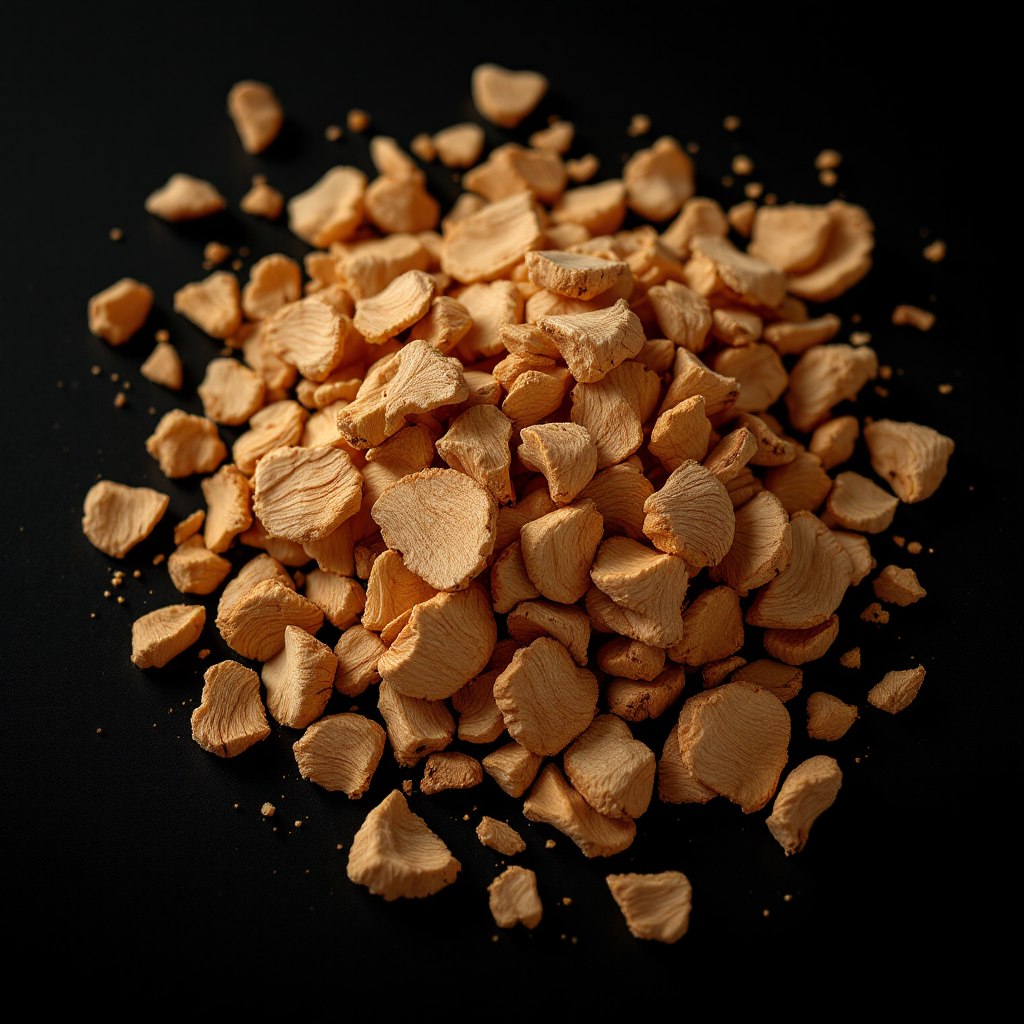
Siberian Birch
Siberian Birch delivers one of perfumery's most distinctive aromatic signatures: a rich, smoky tar note with leather and medicinal depth. This bracing material evokes Russian winters and boreal forests.
Character
How it smells
Boreal smoke, leather, and the depth of Russian winters.
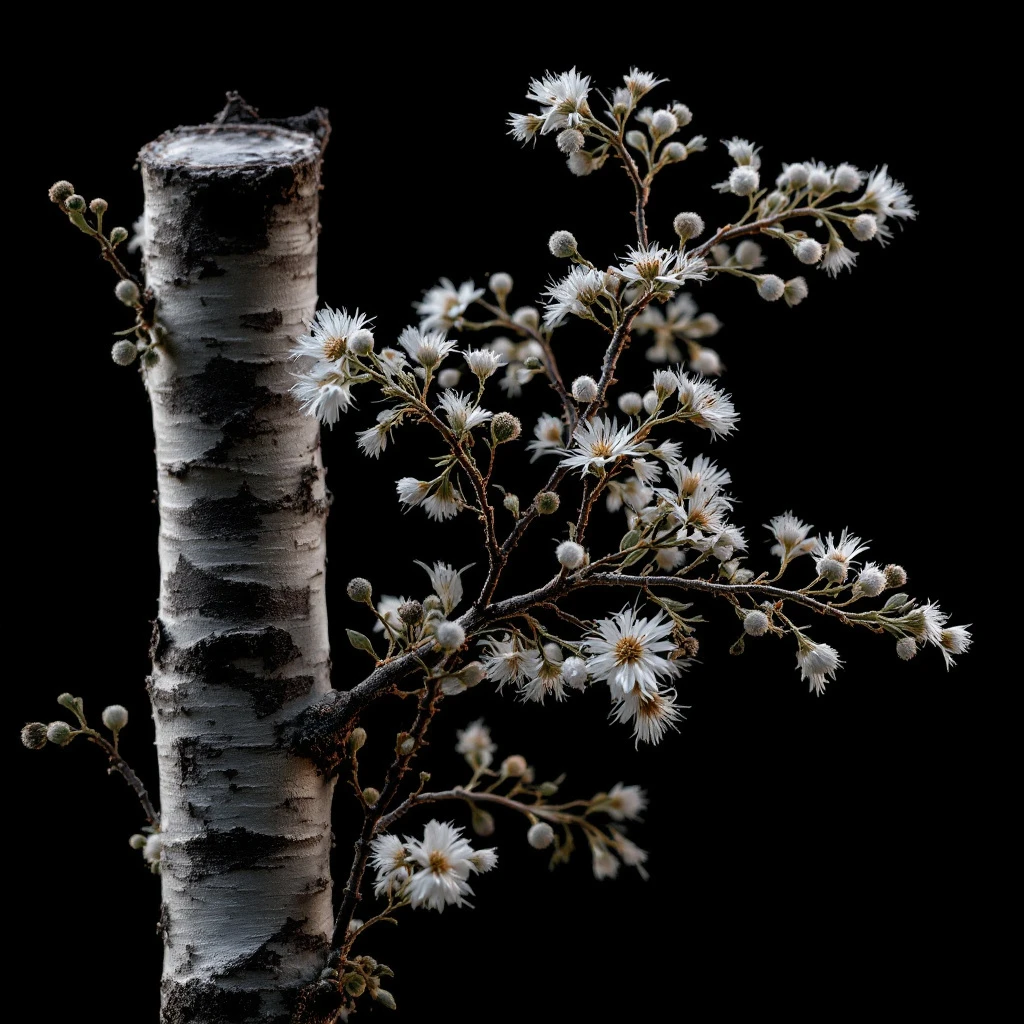
The bark's white pigment, betulin, acts as a natural antifungal, protecting the tree through extreme Siberian temperatures reaching -50 degrees C.



Origin
Russia
Indigenous Siberian cultures developed birch tar production centuries ago, using it for waterproofing, medicinal salves, and protective coatings on wood and leather. Russian traditional medicine employed birch tar for its antiseptic and anti-inflammatory properties, treating skin conditions and respiratory ailments. The material entered European perfumery during the 19th century when Russian traders introduced birch tar oil to French fragrance houses.
Western perfumers recognized its potential for creating complex, smoky accords that complemented leather and tobacco compositions. By the early 20th century, birch tar became essential in masculine fragrances, prized for its rugged, authentic character. The Soviet fragrance industry developed specialized extraction techniques that enhanced the oil's aromatic complexity.
Contemporary perfumers continue using birch tar as a fixative and accord builder, particularly in masculine and niche fragrances seeking authentic smoky signatures. The ingredient remains relatively rare in mainstream perfumery due to its intensity and specialized handling requirements.
Wears it best
Fragrances featuring Siberian Birch
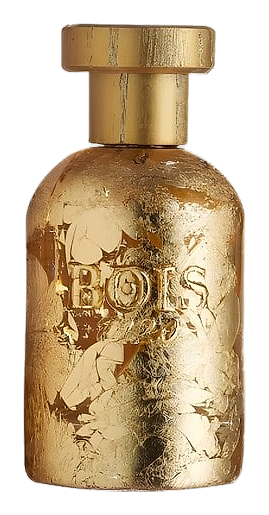
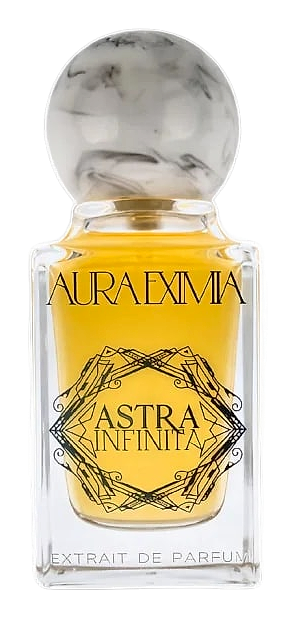
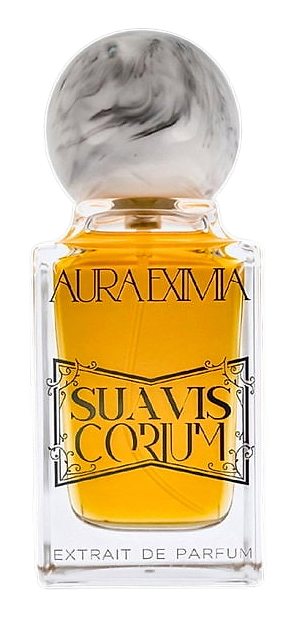
Brands
Brands known for Siberian Birch
Good to know
Questions, answered
The essentials on Siberian Birch in perfumery: how it smells, where it comes from, and how it behaves on skin.
What does Siberian Birch smell like?
Siberian Birch tar oil has a smoky, leathery character with medicinal and tar-like depth. It brings rugged, bracing qualities that evoke boreal forests and cold northern winters.
How is Siberian Birch oil extracted?
Producers obtain birch tar oil through destructive distillation. Wood and bark heat in sealed chambers for 15 to 20 hours at temperatures between 300 and 500 degrees Celsius, releasing dark, viscous oil rich in phenolic compounds.
Where does Siberian Birch grow?
Betula pendula and Betula alba grow across the boreal forests of Russia and northern Europe. Primary commercial production centers on Siberia, where extreme cold and long winters shape the tree's resilient character.
Is birch tar oil safe in perfumes?
IFRA regulations restrict birch tar oil due to its coumarin content. Fragrance houses use highly purified grades and keep concentrations low, typically below 1 percent in final formulations.
What compounds create birch tar's scent?
Guaiacol and creosol, phenolic compounds released during destructive distillation, create the characteristic smoky note. Betulin from the bark contributes subtle woody undertones.
Why is Siberian Birch used in masculine fragrances?
The smoky, leathery character pairs naturally with tobacco, leather, and woody accords. Its medicinal depth adds authenticity and ruggedness that masculine fragrance profiles often require.
What role did birch tar play in traditional medicine?
Russian folk medicine used birch tar for its antiseptic and anti-inflammatory properties. Applications included treating skin conditions, wounds, and respiratory ailments for centuries.
Can synthetic alternatives replace birch tar?
No perfect synthetic substitute exists. Guaiacol and pyrocatechol approximations capture smoky facets, but they lack the complex medicinal and leather-like depth of natural birch tar.