The Story
Why it exists.
The beginning
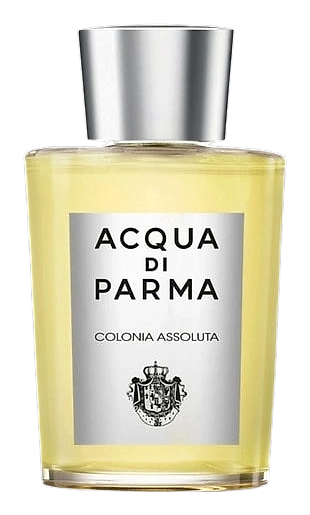
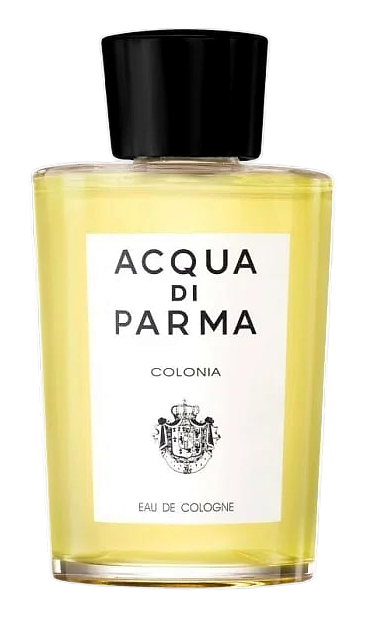
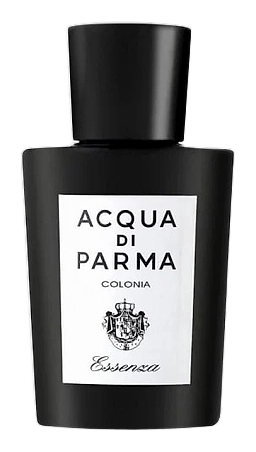
Colonia Essenza arrived in 2010 as a concentrated reimagining of Acqua di Parma's founding fragrance, the Colonia that was created in 1916 as a personal signature. Michel Almairac composed Essenza with the same citrus-woody architecture but pushed the citrus oils further, letting the neroli, bergamot, and petitgrain lead with more intensity. The result is Colonia's DNA, amplified. A flanker that doesn't dilute the original, it sharpens it.
What makes Essenza distinctive is the way the citrus oils hold their shape through the heart phase. The neroli adds a bitter floral edge that prevents the opening from being merely sweet. Petitgrain brings a green, slightly woody quality that grounds the brightness. Rosemary arrives at the heart with clean, herbal precision, while jasmine and lily of the valley add a quiet floral softness, a moment of restraint in what could have been all sharpness. Cloves provide warmth underneath, like spice without fire.
The evolution
The citrus hits all at once, seven different notes arriving together like a shutter opening. Neroli, bergamot, grapefruit, lemon, mandarin, petitgrain. The brightness is immediate and radiant. In the opening phase, this is pure sunlight. Then the hand-off begins. Rosemary arrives with clean, herbal precision. Jasmine and lily of the valley add a quiet floral softness, a moment of restraint in what could have been all sharpness. Cloves provide warmth underneath, like spice without fire. The rose is barely there, a whisper. As the fragrance develops, the citrus begins to recede but doesn't disappear. It becomes part of the architecture rather than the event. White musk and amber settle close to the skin. Vetiver and patchouli add an earthy, green depth. The polished wood and velvet from the official description emerge here, a quiet sophistication that lingers.
Cultural impact
Essenza has earned its place as a modern classic in the citrus aromatic category. It appeals to those who appreciate understated elegance over loudness. What makes it particularly interesting is how it balances tradition with contemporary sensibility, neither nostalgic nor trend-driven. The composition demonstrates a mastery of restraint, offering a sophisticated alternative to moreassertive fragrances.
The House
Acqua di ParmaBaron Carlo Magnani created Acqua di Parma in 1916 as his own signature scent. What began as one fragrance has become synonymous with Italian sophistication. Colonia, the house's founding creation, holds the distinction of being the first true Italian Eau de Cologne, and it remains unchanged today. Over a century later, the house still captures the essence of la dolce vita, pairing Mediterranean brightness with an understated luxury that appeals to those who prefer refinement to ostentation.
The Creator
Michel AlmairacAmong perfumistas, Almairac is celebrated for technical precision married to restraint. He does not overwhelm or overcomplicate.