The Story
Why it exists.
The beginning
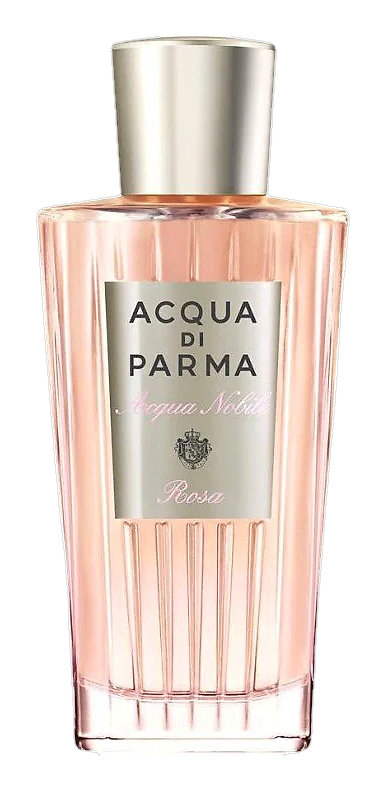
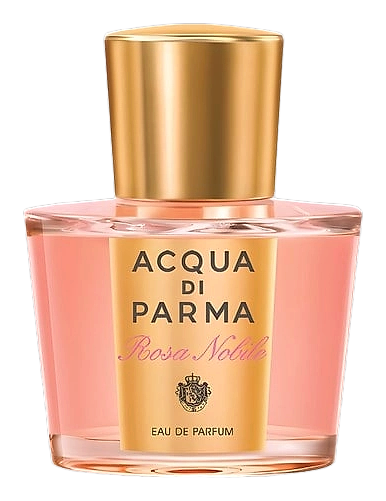
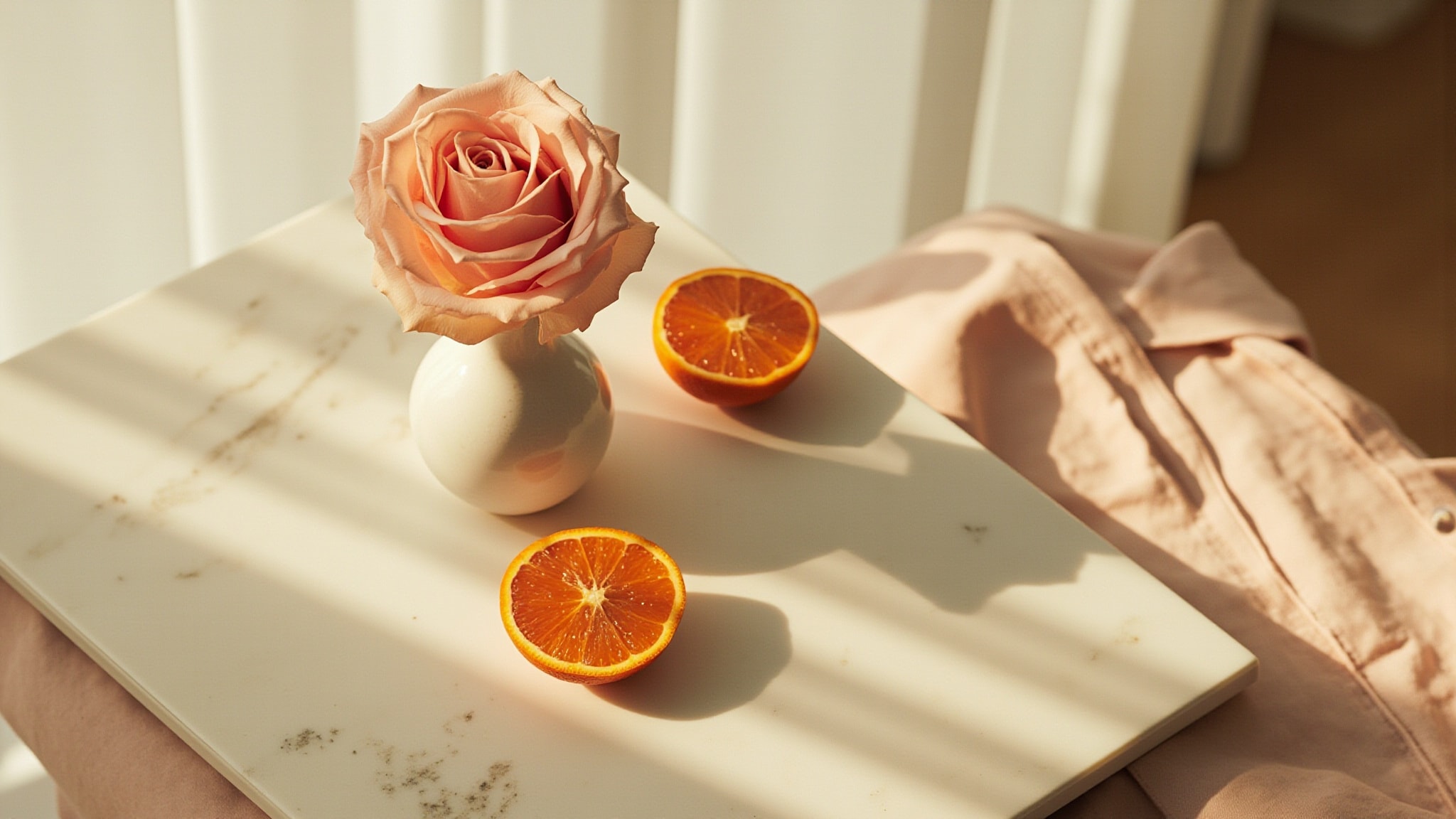
Rosa Nobile belongs to Le Nobili, Acqua di Parma's collection dedicated to noble ingredients and the art of restraint. The house tasked François Demachy with translating the rose into something that could sit alongside Iris Nobile and Magnolia Nobile without repeating them. What Demachy selected was a special strain of Centifolia rose, grown and harvested in Italy, when the scent reaches its peak and is the most intense. The result is a rose that feels both opulent and refined, its petals carrying a rich, velvety warmth that evokes the feeling of rose petals pressed between fingertips. The name says it all: Rosa Nobile, noble rose.
What makes this fragrance interesting is the discipline. Le Nobili compositions are built around a single hero ingredient, and everything else serves that material rather than competing with it. The Centifolia rose in Rosa Nobile isn't decorated or amplified, it's presented clean, with just enough peony and violet to give it softness, and a citrus-pepper opening that sets the stage without stealing the show. The result is a rose that smells like a rose, not a fantasy of one.
The evolution
The opening is all citrus and sparkle, bergamot and mandarin at their brightest, with black pepper lending a slight bite that keeps things from going sweet. You smell it for the opening moments and think: fresh, sharp, beautiful. Then the rose arrives. Not all at once, it slips in quietly, warmed by peony and softened by violet. The citrus fades. The pepper settles. For the next stretch, this is a floral fragrance that behaves. The drydown is where it earns its sophistication. Cedar and ambergris arrive late, adding a clean woodiness that keeps the rose from going powdery-dusty. Musk ties everything together, close to the skin, intimate without being animal. The longevity is solid, you'll smell it well into the later hours. Moderate sillage, you'll smell it, the people close to you will definitely smell it, strangers across the room won't. That's not a flaw. That's the point.
Cultural impact
Rosa Nobile joined the Le Nobili collection alongside Iris Nobile, Magnolia Nobile, and Gelsomino Nobile. Each fragrance in the collection centers on a single noble ingredient, crafted to showcase its finest qualities. Rosa Nobile presents the rose in a modern, elegant register, softened by peony and violet, then grounded by cedar, ambergris, and musk for a sophisticated drydown that lingers close to the skin.