The Story
Why it exists.
The beginning
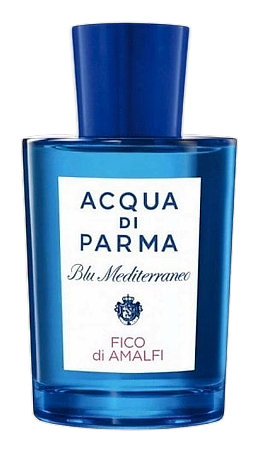
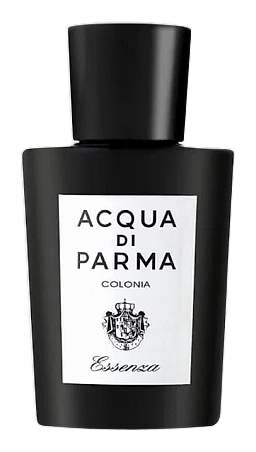
Acqua di Parma was founded in 1916 by Baron Carlo Magnani in Parma, Italy, and for over a century has represented a particular vision of Italian elegance, one built on citrus freshness, warm materials, and an understated sense of luxury. When the house decided to explore the Signatures of the Sun concept, oud became the logical anchor point, a material that carried weight and intention without abandoning the brand's core identity. The house approached agarwood not as a statement ingredient but as a foundation, working with it the way it has always worked with cedar and citrus, as part of a broader sensory picture rather than a singular obsession.
The note structure of Oud is built on contrast. Bergamot and orange at the opening create a familiar citrus signature, a nod to the house's heritage. The oud that follows is the bridge to something more complex, and the inclusion of coriander and amyris ensures that the heart feels rounded rather than monolithic. Cedarwood, sandalwood, patchouli, and musk in the drydown complete the picture, providing the warmth and persistence that Acqua di Parma is known for. These are not accidental pairings; they reflect a philosophy of layering that gives each material room to breathe.
The evolution
Oud opens with bergamot and orange, two bright materials that immediately signal Acqua di Parma's hand. The citrus is not a decorative gesture; it is the first movement in a deliberate progression. As the top notes recede, oud takes center stage, joined by coriander, which introduces a faint aromatic edge, and amyris, which softens the transition without diluting the woods. By the time cedarwood and sandalwood arrive in the drydown, the fragrance has settled into something calm and composed, with patchouli adding earth and musk adding presence. The arc spans roughly four to six hours depending on skin, and the character remains consistent from opening to base.
Cultural impact
Oud positions Acqua di Parma in the global oud conversation by pulling the material in a different direction than boutiques built on animalic intensity. The house's arte di vivere approach means the sillage stays intimate, the sweetness stays controlled, and the drydown stays close rather than projecting. In a fragrance landscape where oud often means confrontation, this reads as refinement, open to everyone, but clearly made by people who know exactly what they're doing.