The Story
Why it exists.
The beginning
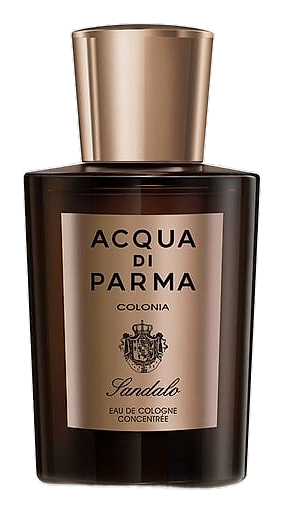
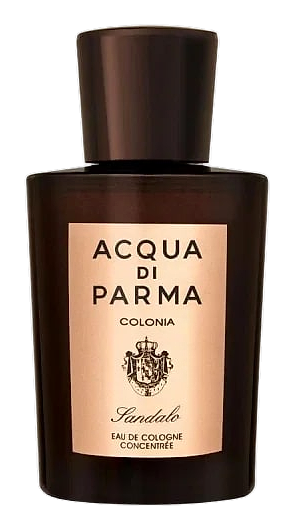
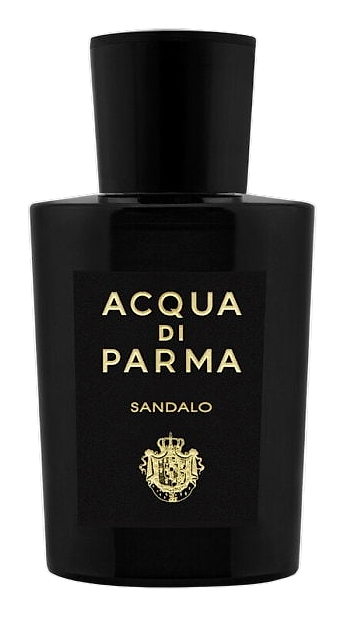
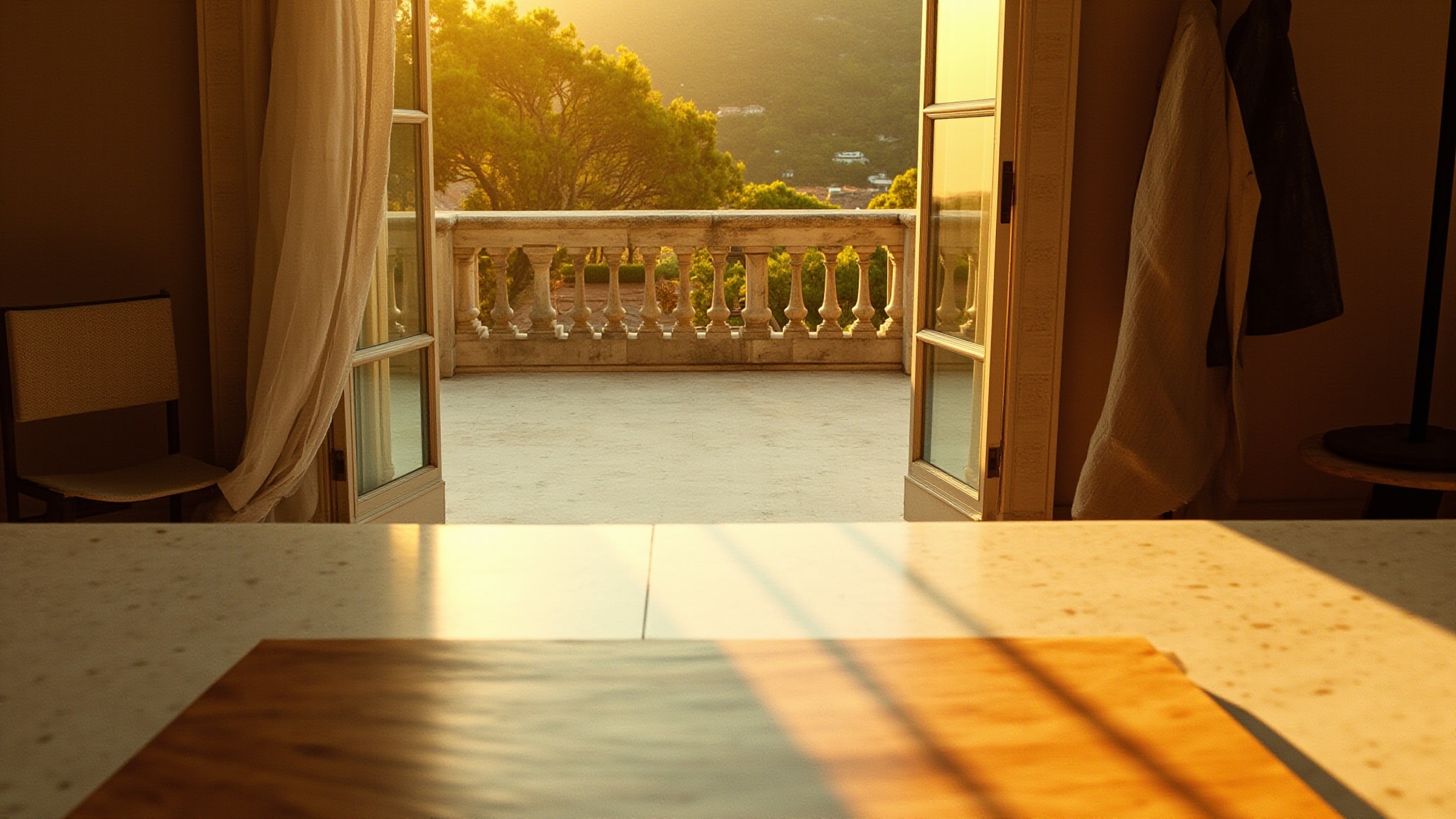
Sandalo joined Acqua di Parma's Signatures of the Sun collection in 2019, the line's name an open invitation to interpret Mediterranean light. Sandalo pushes deeper into the warm register the house had only hinted at, built on the wood itself rather than the barbershop fougère framing other compositions lean on. The collection treats single materials as portraits, and Sandalo's subject is Indian sandalwood: creamy, soft, almost buttery in the right hands. Everything else in the bottle, the bergamot and orange at the top, the cardamom and lavender in the middle, exists to frame that center without competing with it. The brief was restraint. The result is a composition that reads as one gesture rather than a sequence.
Indian sandalwood carries weight in perfumery that most woods don't. What arrives in the bottle has to justify careful sourcing, and Acqua di Parma's approach is to let the wood speak rather than burying it under spice. The cardamom does something interesting here. It sits in the middle of the pyramid but reads as a bridge rather than a statement, warming the lavender without tipping the composition toward sharper territory.
The evolution
The first ten minutes are the loudest Sandalo ever gets. Bergamot, orange, and lemon all hit at once, bright and almost effervescent, the kind of citrus that reads as sunlight through a window. Petitgrain adds a green edge, just enough to keep the opening from feeling like a glass of juice. Then the lavender and cardamom take the wheel, and the citrus pulls back. Not gone, but reorganized into a supporting role. This is the aromatic heart of the fragrance, clean and herbal, but the cardamom keeps nudging it warmer than the lavender would go on its own. The lavender here is herbal, not soapy. It lasts longer than expected. By the third hour the sandalwood has settled into its real shape. Tonka bean wraps around it, and amber fills in the spaces.
Cultural impact
Sandalo reads as a fragrance for someone who wants a daily signature rather than a statement piece. It's the kind of bottle that earns a permanent spot on a dresser, worn often enough to become part of a routine. The composition leans toward clean tailoring: aromatic, woody, structured in a way that suits a pressed shirt and a deliberate pace. For wearers, it's less about announcing presence and more about quietly carrying a particular register of warmth into a room.