The Story
Why it exists.
The beginning
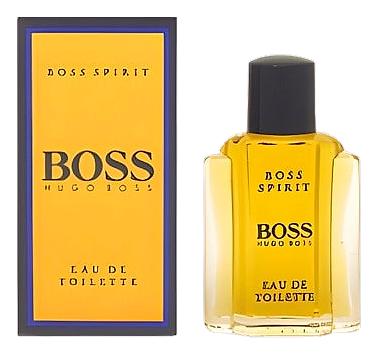
Boss Spirit arrived in 1989, pushing the house into rougher territory than anything that had come before it. This wasn't the clean-shaven boardroom scent. This was something with dirt under its nails. The bottle design came from Peter Schmidt. His work here carries a weight to it, the kind of object that sits heavy on a dresser and doesn't apologize for itself. What lands first is the green. Unflinching galbanum and artemisia open cold and sharp, the kind of top notes that announce themselves before you've even lifted your wrist a second time. Aldehydes weave through that opening and give it a soapy-cold sparkle, almost metallic, the kind of brightness that makes the greens feel more alive rather than masking them. It is not trying to be pleasant on the first pass.
Galbanum and artemisia up top is a bold move. Boss Spirit lets it stand naked, then threads aldehydes through to give it that soapy-cold sparkle that lifts everything. It's not trying to be pleasant on the first pass. It's trying to be alive. The aldehydes do heavy lifting in those early minutes, catching light off the green notes and giving the whole opening a crackling, almost static quality. There's a coolness to it that reads less like freshness and more like the temperature drop when a cloud covers the sun.
The evolution
The opening is a slap. Aldehydes crackle over galbanum and mint like static electricity across a wool coat. Cold, sharp, almost metallic. Then artemisia and the other green notes settle in, and the whole thing warms a degree. It smells like brushing past herbs in a garden that's been left alone for a week, somewhere between fresh and overgrown. Lavender and geranium arrive together and the composition shifts register. The green doesn't disappear, it gets covered by something softer, more rounded. The lavender brings a clean, slightly medicinal sweetness that settles beneath the sharper notes like a cool cloth. Geranium adds a rosy, green-edged facet that bridges the herbal opening and what comes next. Tarragon flickers with a licorice-tinged bitterness, threading anise-like whispers through the middle phase.
Cultural impact
Boss Spirit wears its vintage status with the confidence of a fragrance that knows exactly what it is. Wearers consistently describe it as a confident green-leather statement, the kind of scent that announces presence in a room rather than whispering from across it. The composition reads as distinctly European in its sensibilities, leaning into the bitter-green chypre tradition with aldehydes that add old-school sparkle and a leather base that pulls away from anything American-market mild.