
The Story
Why it exists.
The beginning
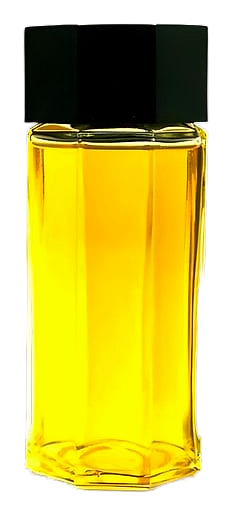
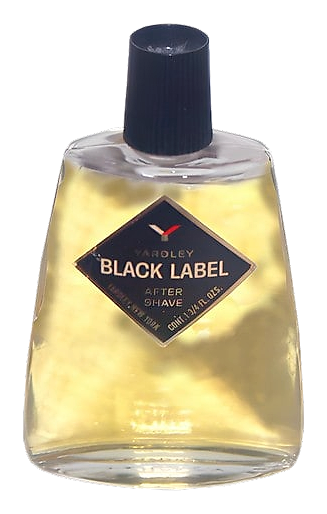
1967. London. Yardley had been making scents since Georgian times, and their creative philosophy was already set in stone: fragrance as quiet refinement, echoing everyday British life. Black Label emerged as the masculine counterpart to Yardley Original, a male fougère built on the balance that defined the house. The perfumer worked from the brand's historic archives, revisiting early 19th-century scent families and adapting them for a postwar generation that wanted masculinity without noise. The brief was clear: citrus on top, lavender at the heart, woody depth underneath. Nothing trendy. Nothing performative. Just correctly assembled.
What makes Black Label interesting is its structure, a proper fougère pyramid where citrus top notes give way to a lavender-geranium heart before settling into a woody base of sandalwood, vetiver, patchouli, and oakmoss. That last note is the tell. Oakmoss was once the backbone of masculine perfumery; it lent that characteristic green-grey depth that synthetic materials still can't fully replicate. In Black Label, it anchors the drydown, giving the composition a quiet earthiness that survives the citrus brightness and keeps the whole thing grounded.
The evolution
The opening is quick and tart, bergamot, orange, a squeeze of lemon that cuts the air before it settles. Thirty minutes in, the lavender arrives. It's not shy. It announces itself with that clean, slightly camphoraceous edge that defines classic fougères, softened by geranium's rose-green warmth and the faint resinous hum of Brazilian rosewood. The hand-off happens gradually: citrus recedes, the heart takes over for a couple of hours, and then the base begins to assert itself. Vetiver and patchouli arrive together, earthy, dry, slightly smoky. Sandalwood adds a warm creaminess underneath. Oakmoss is the final voice, a green-grey whisper that closes the composition and keeps it close to the skin. On fabric, it lasts into the evening. On skin, expect 4 to 6 hours of moderate presence.
Cultural impact
Black Label arrived in 1967, a moment when British masculine fragrance still operated under the assumption that a gentleman smelled like soap, grass, and wood. It occupies the quieter end of the fougère spectrum, closer to classic barbershop colognes than the projecting Aromatics of the era. Wearers describe it as the scent of someone who walks into a room and doesn't need to announce themselves. The oakmoss-heavy drydown gives it a vintage character that enthusiasts either find timeless or dated, depending on where they stand with classic masculine perfumery.