The Story
Why it exists.
The beginning
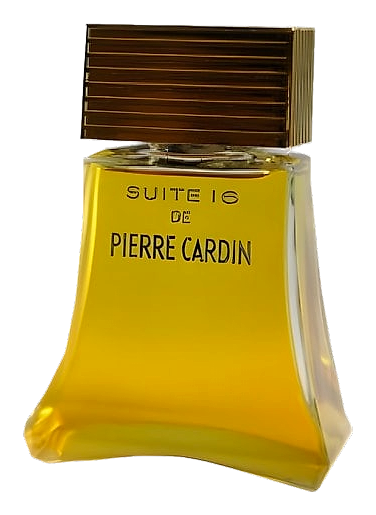
Suite 16 landed in 1962 (per Fragrantica; Parfumo dates it to 1960), and the discrepancy itself tells you something about how a fragrance of this profile gets remembered. The composition opens with aldehydes, that sparkling, almost metallic brightness that perfumers use to make a fragrance feel awake. Bergamot follows, bright and bitter, then honeysuckle, green and almost sticky with nectar. The whole thing reads like a first impression engineered to be remembered. There is nothing tentative about the way Suite 16 announces itself on skin. Within the first minute, you already know you're wearing a composition with opinions.
What makes Suite 16 interesting is how the aldehydes don't just decorate the top. They stay, moving through every phase like a thread holding the composition together. The heart is where the tension lives. Lavender and rose sit alongside honey and spice, and the combination pulls in two directions at once. The honey gives it weight, pulls the floral away from being merely green and fresh. The spice adds a kind of gravity, like a shadow falling across a bright room. Then the base. Patchouli, sandalwood, amber, labdanum, vanilla, oakmoss.
The evolution
The first ten minutes are almost aggressive. Aldehydes flash, bergamot cuts through, and the whole composition has a metallic clarity that feels more couture than comfort. Honeysuckle arrives quickly, adding a green, almost cucumber-cool sweetness, and the fragrance has an immediate sense of direction. After about thirty minutes, the structure shifts. Lavender deepens, rose begins to assert itself, and the honey arrives, not as a sweetness but as a texture. The honey does something the florals need: it makes them feel weighted, anchored, less like a breeze and more like a presence. Spicy notes surface too, warming the heart without turning it heavy. This is the most complex phase, the one where Suite 16 reveals its actual architecture. By the two-hour mark, the aldehydes have receded but not disappeared.
Cultural impact
Suite 16 sits in a specific pocket of French perfumery: the early 1960s chypre floral, where aldehydes and oakmoss are standard architecture and floral compositions are expected to have weight and structure. Within that framework, Suite 16 makes some choices that still feel current. The aldehydes are not used as decoration; they carry through the entire wear, which is uncommon. The honeysuckle in the top gives the fragrance a green, almost sticky sweetness that balances the metallic brightness, and the honey in the heart does work that most compositions leave to amber or musk.