
The Story
Why it exists.
The beginning
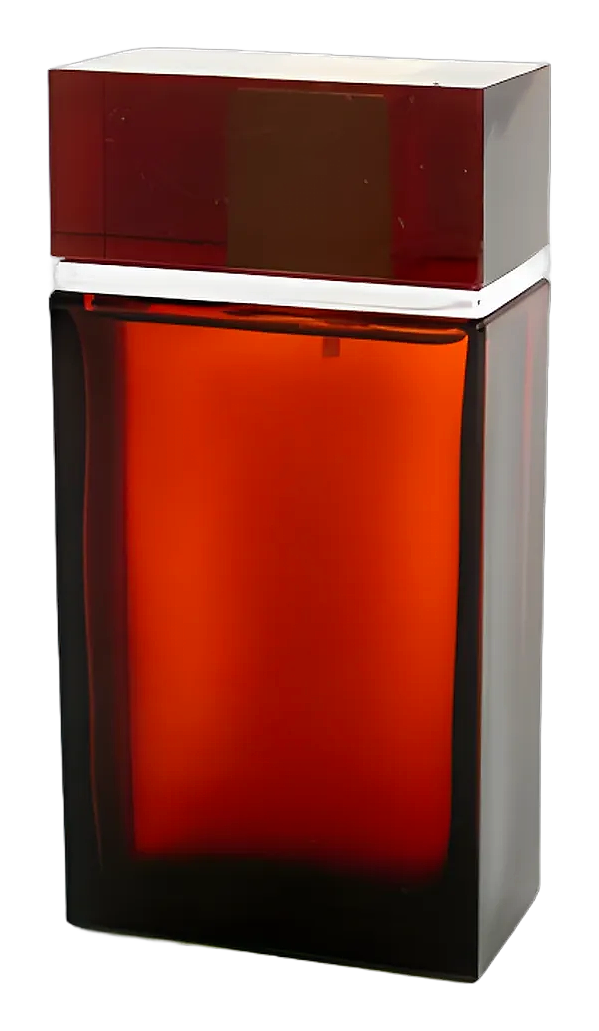
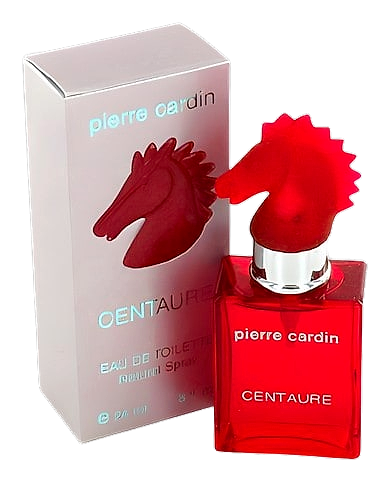
The name means stallion leather, not a metaphor. A real animal, its hide worn, its smell part sweat and musk and something ancient. Pierre Cardin launched the Centaure collection in 1996, and Cuir Etalon was its opening statement. Leather and spices: that's the architecture. No florals softening the blow. No aquatic trying to modernize. Just a masculine scent that leans into what it is, an animal-sweet leather that doesn't apologize for existing.
The animalic note is the tell. That's the civet, the musky undertone that gives it depth and longevity. Some people clock it immediately; others don't notice until the drydown. Either way, it's what makes Cuir Etalon last longer than most 90s masculines, that animalic backbone holding the leather and spices together through the arc.
The evolution
The opening is quick and declarative. Leather, yes, but with a spice that cuts through before it settles. Thirty minutes in, the civet announces itself, not clean, not soapy, just warm and present. The leather deepens through the heart, losing its edge and becoming something worn and intimate. By the third hour, it's skin-close, a warm trace that stays after you've forgotten you sprayed. On fabric, it outlasts skin, you'll find it on a jacket lining the next morning, quieter now, sweeter, like something happened there and the smell is the evidence.
Cultural impact
Launched in 1996, when masculine fragrance was shifting toward lighter, fresher directions, Centaure Cuir Etalon went the other way. Its leather-and-animalic character sits apart from the aquatics and clean fougeres that dominated the mid-90s masculine market, older in spirit, bolder in its commitments.