The Story
Why it exists.
The beginning
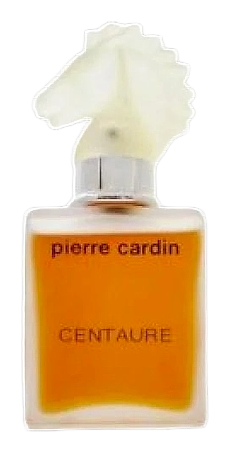
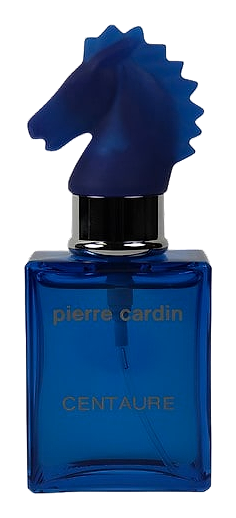
Centaure Cuir Casaque arrived in 1996 as part of Pierre Cardin's expanding fragrance portfolio, the house had been building its olfactory identity since Pour Monsieur in 1972, translating Cardin's space-age geometric aesthetic into scent structures with clear, assertive accords. The name carries it: cuir (leather) and casaque (a riding coat, or the mark of distinction), leather as armor, as identity, as the thing you leave behind in a room.
What makes the structure interesting is how it refuses separation between the aromatic and the animalic. Lavender and grass open clean, almost barbershop, then the incense and labdanum introduce something with weight, with texture. The clove and nutmeg in the heart aren't decorative. They're the warmth that prevents the powder from becoming precious. The dry woody base, cedar, sandalwood, patchouli, gives it the kind of finish that stays on a collar or a cuff long after the wearer has left.
The evolution
The opening hits clean and bright, lavender and bergamot establishing immediate aromatic clarity, the kind that reads as deliberate, almost barber-shop precise. Grass mutes the citrus slightly, keeping things grounded from the first spray. Incense arrives within minutes, not as smoke but as a dry warmth that shifts the composition from fresh to something with more gravity. The heart of labdanum, clove, and jasmine takes over around the 20-minute mark, powderiness emerges here, the fizzy, soapy character that community reviewers consistently identify as the fragrance's defining tension. It's the leather talking back to the soap. Around the two-hour mark, the base begins its slow reveal. Sandalwood and cedar arrive together, dry and woody, the vanilla providing just enough sweetness to keep the whole thing from reading as harsh.
Cultural impact
Centaure Cuir Casaque occupies an interesting position in 90s masculine perfumery, an era when men's fragrances largely trended toward either aquatic freshness or heavy oriental bombast. This one splits the difference, offering aromatic structure with a powdery, almost barber-shop character that feels more considered than trendy. The leather-and-powder tension gives it a distinctive voice among Cardin's fragrance output, and among its era's masculine releases, not as iconic as Pour Monsieur, but more interesting than most of what followed.