
The Story
Why it exists.
The beginning
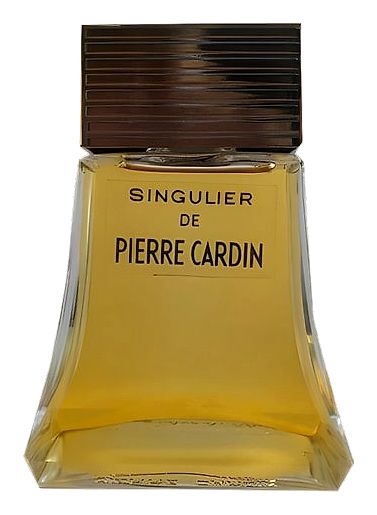
Singulier arrived in 1955, composed by Michel Hy, a perfumer whose work belonged to a well-established French tradition. The result was a women's fragrance that carried the recognizable DNA of mid-century French perfumery, built around a green-floral framework with a fruit note that gave the composition a particular luminosity. Issued under the Pierre Cardin name, Singulier occupies a distinctive place within the brand's early fragrance portfolio, a release whose modest projection and floral focus set it apart from more opulent or aldehyde-heavy compositions of the same period.
What makes Singulier worth noting is the way its structure holds together across every phase of the wear. The floral-fruity-spicy architecture keeps the green accord present throughout, anchored by a spicy drydown that adds warmth without veering into heavier territory. The green notes never disappear entirely, even as the fruit and spice elements move forward and recede in turn, creating a composition that feels alive rather than static. The structure leans on clear, layered accords rather than heavy base materials, a choice that keeps the whole thing feeling buoyant and easy to wear.
The evolution
The opening lands soft and green, a floral-green brightness that feels like petals still holding dew. The green accord is immediate and convincing, with a natural quality that recalls crushed leaves and stems rather than anything synthetic or sharp. The fruity heart follows, lifting the composition with something ripe and clear, not cloying but present, like biting into fruit at room temperature. This fruit note gives the fragrance its particular personality, a juiciness that feels integrated rather than tacked on, weaving through the green and floral elements with an easy confidence. The transition into the base is gradual and satisfying. The green and fruit recede slowly while the spicy drydown builds warmth underneath, creating a sense of depth without ever tipping into heaviness.
Cultural impact
Singulier sits in the shadow of Pierre Cardin's more famous releases, a 1955 women's composition that most modern fragrance conversation overlooks. Its profile on community-driven fragrance databases remains modest, with limited ratings reflecting its relative obscurity. The fragrance reads as a quiet artifact of a specific moment in French perfumery, when green-floral compositions were part of an ongoing conversation about structure and clarity. For those who encounter it, the composition offers a window into that period, showing how green notes, fruit, and spice could be combined with a lightness that still feels relevant.
The House
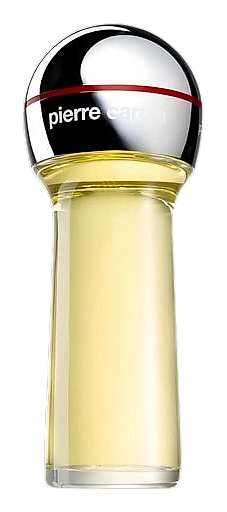
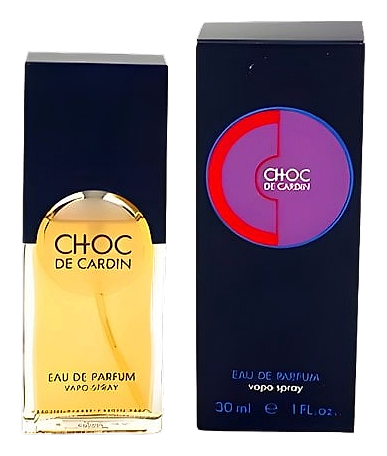
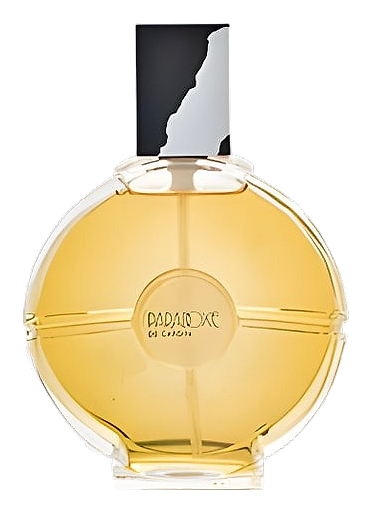
Pierre CardinPierre Cardin translates the designer's avant‑garde spirit into a fragrance portfolio that balances modernity with classic French perfume tradition. Since the early 1970s the house has offered a steady stream of scents for both men and women, each anchored by a distinctive bottle and a clear scent architecture. The line includes iconic releases such as Pour Monsieur (1972), Cardin for Women (1976), Choc de Cardin Eau Tonique (1990) and Innovation (2013). Today the brand presents more than forty fragrances, each positioned as an extension of Cardin’s geometric, space‑age aesthetic and his belief that style should be both daring and wearable.
The Creator
Michel HyHy's signature involved the skilled use of aldehydic lift combined with sharp green accents and well-defined chypre structures. He favored aromatic materials that provided clarity and definition rather than blur, selecting ingredients that maintained distinct voices within the…