The Story
Why it exists.
The beginning
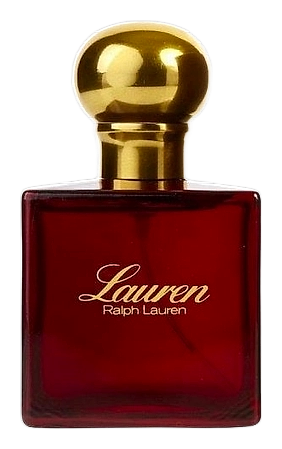
Ralph Lauren launched in 1978 as the brand's first women's fragrance, created by perfumers Bernard Chant and Nicholas Calderone. At the time, Ralph Lauren had completed its transformation from a single tie design to a comprehensive American lifestyle empire, and Lauren was conceived as an olfactory extension of that aspirational vision. The fragrance arrived at a moment when American perfumery was finding its voice, moving beyond European traditions to create something distinctly its own. Bernard Chant, who would later create Aromatics Elixir for Clinique, brought his expertise in balancing green, aromatic materials with floral richness to this inaugural release.
The note selection reflects a philosophy of confident restraint. Rather than overwhelming with aldehydes or pushing toward the avant-garde, Lauren builds its character through careful layering of green, floral, and woody materials that complement rather than compete. The opening green notes establish an immediate freshness, the heart florals provide the romantic heart the brand needed to convey, and the woody drydown ensures the fragrance lasts. This structure mirrors Ralph Lauren's approach to fashion: classic materials, clean lines, and enduring appeal over trendy novelty. The result is a fragrance that smells like its era but transcends it, remaining relevant through sheer quality of construction.
The evolution
The scent journey begins with green notes and clary sage, materials that were hallmarks of 1970s perfumery and convey an outdoorsy, active American sensibility. Pineapple and rosewood add dimension, with rosewood lending a warmth that prevents the opening from feeling too sharp. As the fragrance evolves, the heart notes of lily of the valley, jasmine, rose, cyclamen, lilac, and violet take over, creating a bouquet that feels curated rather than accidental. Each floral note plays a specific role: lily of the valley provides structure, jasmine adds richness, rose contributes classic romance, and the lighter florals fill in the spaces between. The drydown introduces carnation, a material with a warm, spicy character that bridges the florals to the woody base. Cedarwood, oakmoss, sandalwood, and vetiver create a foundation that feels both contemporary and timeless, grounding the florals in something solid and enduring.
Cultural impact
When Lauren debuted in 1978, it arrived at a moment when American fashion was embracing a more relaxed, nature‑inspired aesthetic. The scent’s green‑fresh opening, anchored by clary sage and pineapple, resonated with a generation seeking authenticity beyond the heavy orientals of the era. Its balanced composition helped shift consumer expectations toward lighter, more approachable fragrances for women, influencing subsequent releases from both Ralph Lauren and competing houses. Over the decades, Lauren has been referenced in style retrospectives as a marker of late‑70s optimism, and its enduring popularity in vintage fragrance circles underscores its role in shaping a lasting appreciation for green‑floral profiles in modern perfumery.