The Story
Why it exists.
The beginning
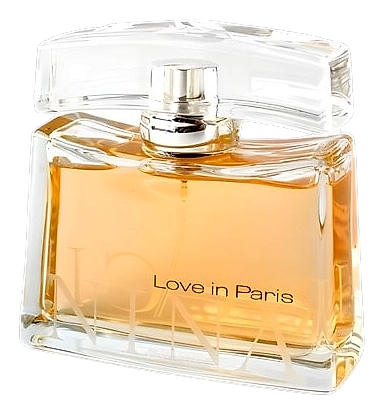
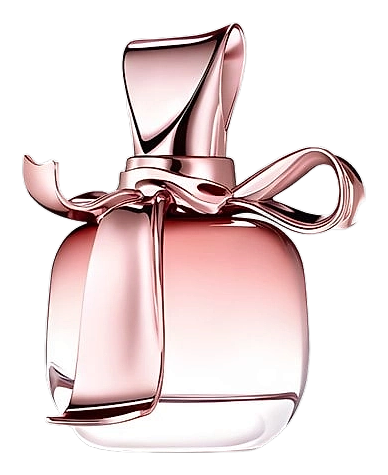
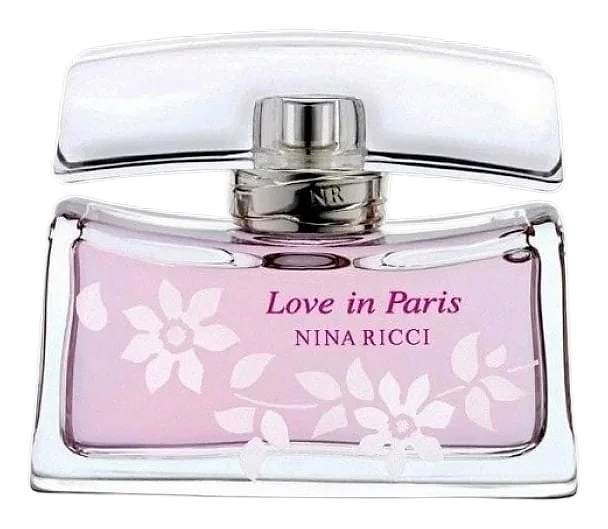
Love in Paris Fleur de Pivoine arrived in 2007, part of Nina Ricci's Love in Paris line and the work of Aurélien Guichard. The name says exactly what's inside: peony, the full blowsy French variety, the kind that tips its heavy head over garden walls in May. Ricci has spent decades translating Parisian romance into scent, and Guichard was given a brief that leaned into femininity without nostalgia. Floral, yes, but with a current running underneath. The result is a peony soliflour dressed in supporting clothes: fruit to sweeten, violet to shadow, heliotrope to dust it with almond-powder softness. Not a grand Parisian statement. A sidewalk-cafe statement.
What makes the composition interesting is the tension between brightness and powder. The opening is almost fizzy: mandarin, neroli, and pink pepper cut through blackcurrant's jammy depth, keeping the fruit from tipping into candy. Then the heart arrives, and the peony is flanked by May rose and violet, which together create that cool, slightly metallic lift florists know as the green stem. Raspberry threads through, but it's never loud. The base is where the composition earns its staying power: heliotrope, with its cherry-almond facet, meets a clean musk and a whisper of patchouli. The patchouli isn't earthy here. It's structural, the thing that keeps the powder from floating away.
The evolution
The first ten minutes are almost aggressive in their brightness. Mandarin and neroli hit like cold water on a warm face, and the pink pepper fizzes at the edges of the blackcurrant. It's the most extroverted this fragrance gets. Within half an hour the peony takes the stage, and the composition shifts from fruit to flower. The May rose underneath gives it a dewy, almost wet quality, like petals after rain. Violet adds a cool, powdery distance, the part that makes it read as Parisian and not as garden-variety pretty. Two to three hours in, the base settles. The heliotrope comes forward with that almond-heliotrope sweetness, and the musk smooths everything out. The patchouli stays quiet but functional, a floor under the powder. By hour five, what's left on skin is a soft heliotrope-musk veil, still recognizable, still pretty. It doesn't project much by then, but it stays close, which is arguably the point.
Cultural impact
Love in Paris fleur de pivoine sits firmly in the mainstream-floral category, the kind of peony composition that wears like a piece of house identity: soft, romantic, confident in its femininity. The peony soliflour-with-friends structure gives it a clear point of view, and the heliotrope-leaning drydown keeps it from reading as one-note. On skin, the opening feels cool and slightly aqueous, almost like crushed petals pressed between damp fingers, before the rose and jasmine begin to warm the center.
The House
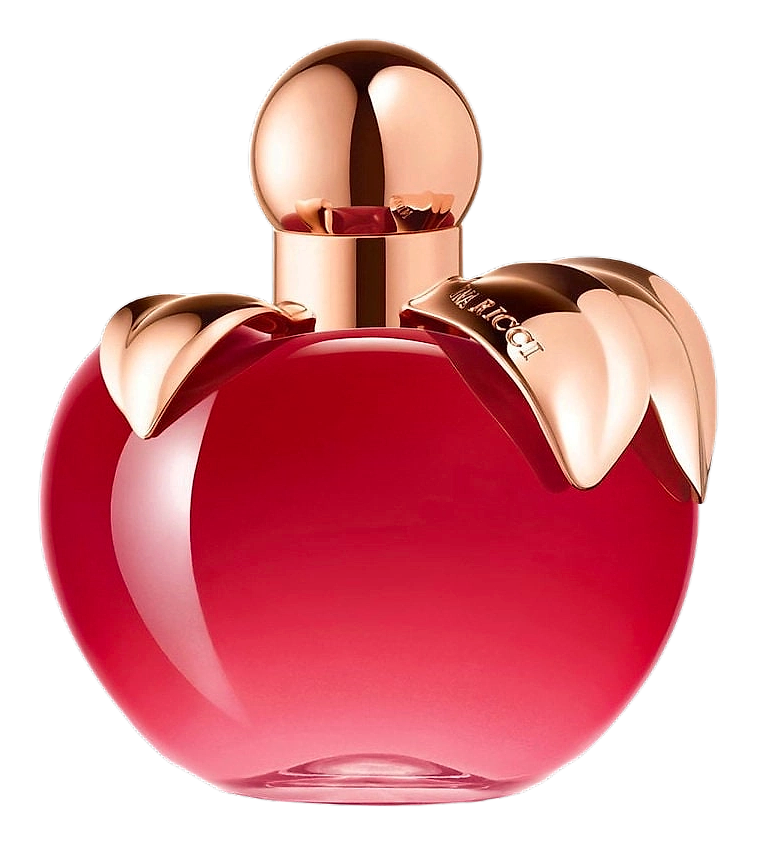
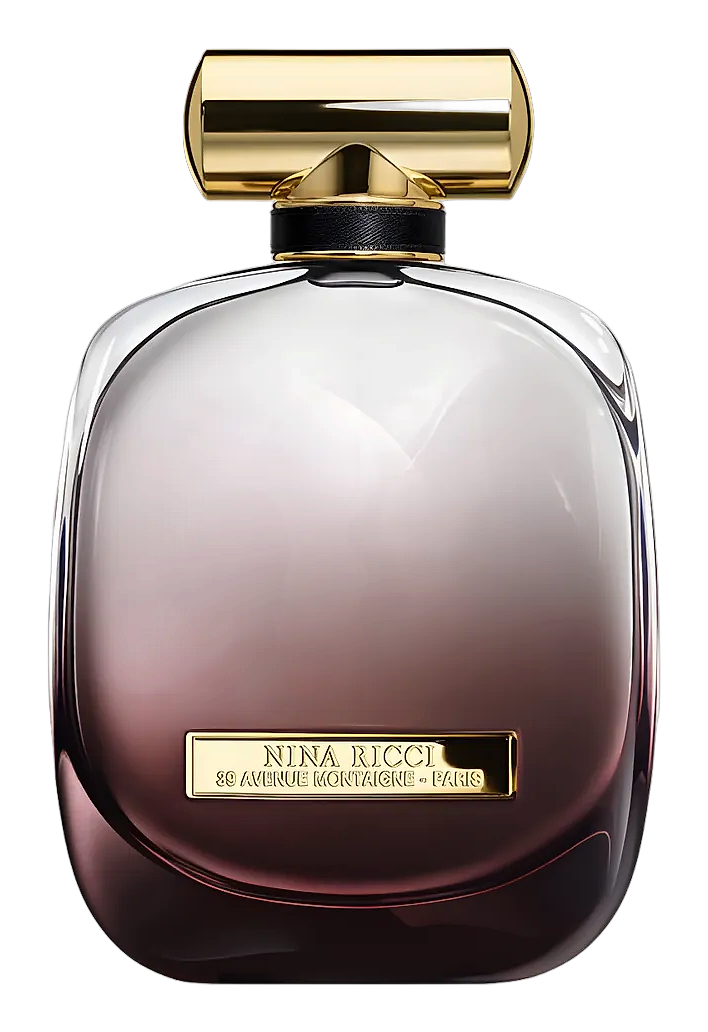
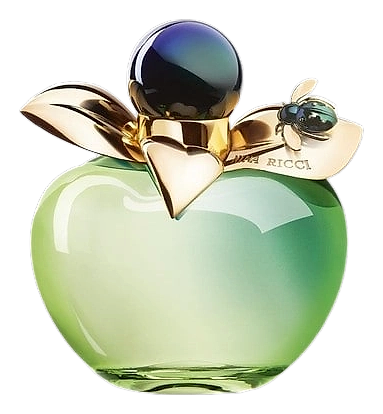
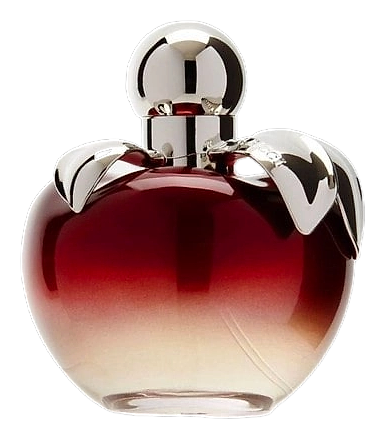
Nina RicciNina Ricci is a Parisian fashion house founded in 1932 by Italian-born designer Maria "Nina" Ricci and her son Robert Ricci. The house began as a couture salon on Rue Haussmann, quickly establishing a reputation for refined, feminine gowns with romantic sensibility. Robert established an in-house perfume division in 1941, though the first fragrance would not arrive until 1946. That inaugural scent, Coeur Joie, marked the beginning of a partnership with Lalique that would define the house's olfactory identity. The house introduced its most celebrated fragrance, L'Air du Temps, in 1948, a scent that remains in production decades later. Puig acquired Nina Ricci in 1998, bringing the house under the same ownership that manages Carolina Herrera and Jean Paul Gaultier. Today, the fragrance collection spans from timeless classics to contemporary offerings like the Nina line, maintaining the house's commitment to feminine elegance.
The Creator
Aurélien GuichardAurélien's style could be described as refined and elegant, with a focus on natural ingredients. He often uses roses, a nod to his family's history, but he isn't limited by tradition.